INSIGHTS / DESIGN METHOD

Industry Insights

This article summarizes Meilin’s methods, scope, and practical observations from project diagnostics, focusing on the coordination of bottle design, packaging visuals, and implementation.

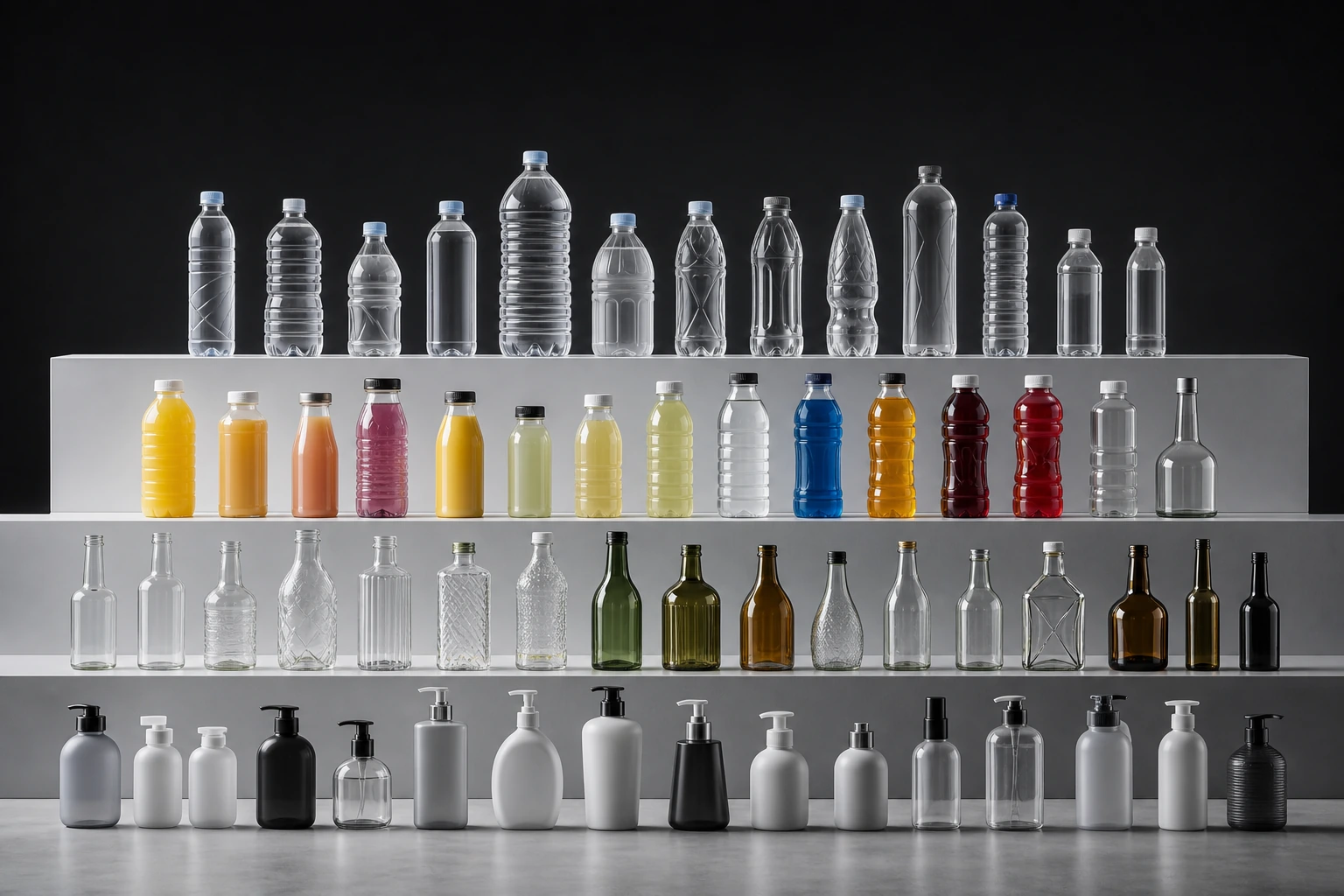
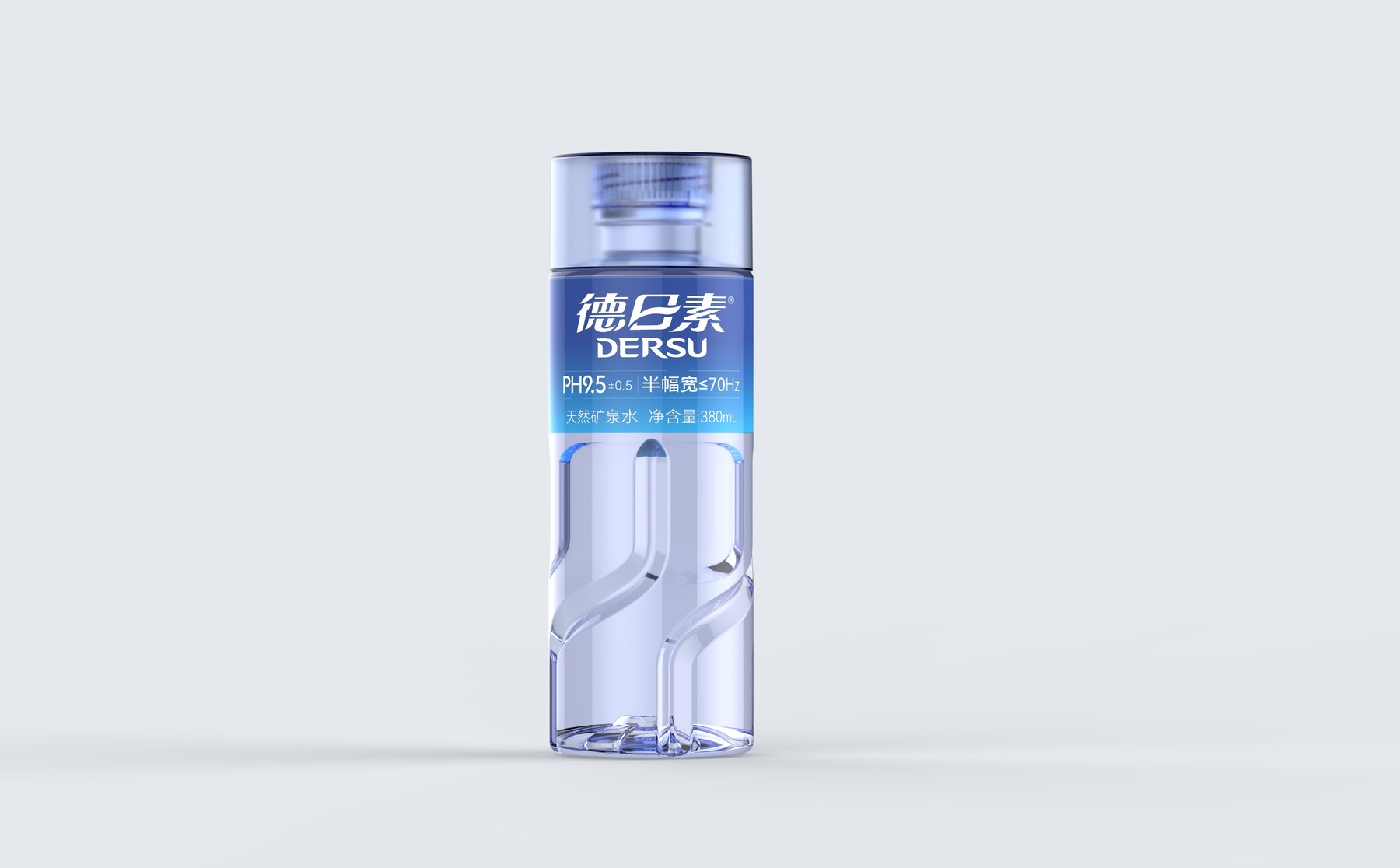
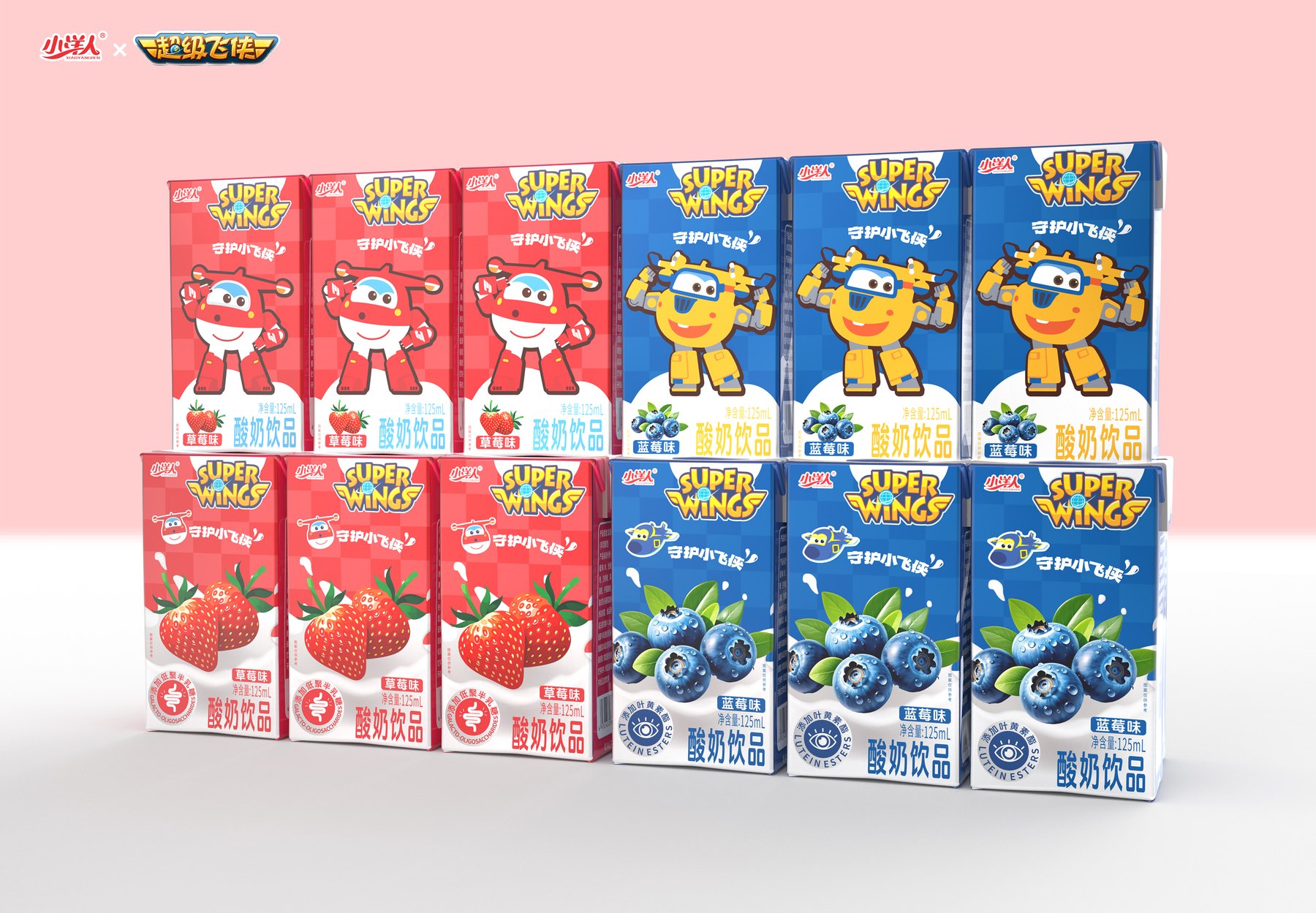
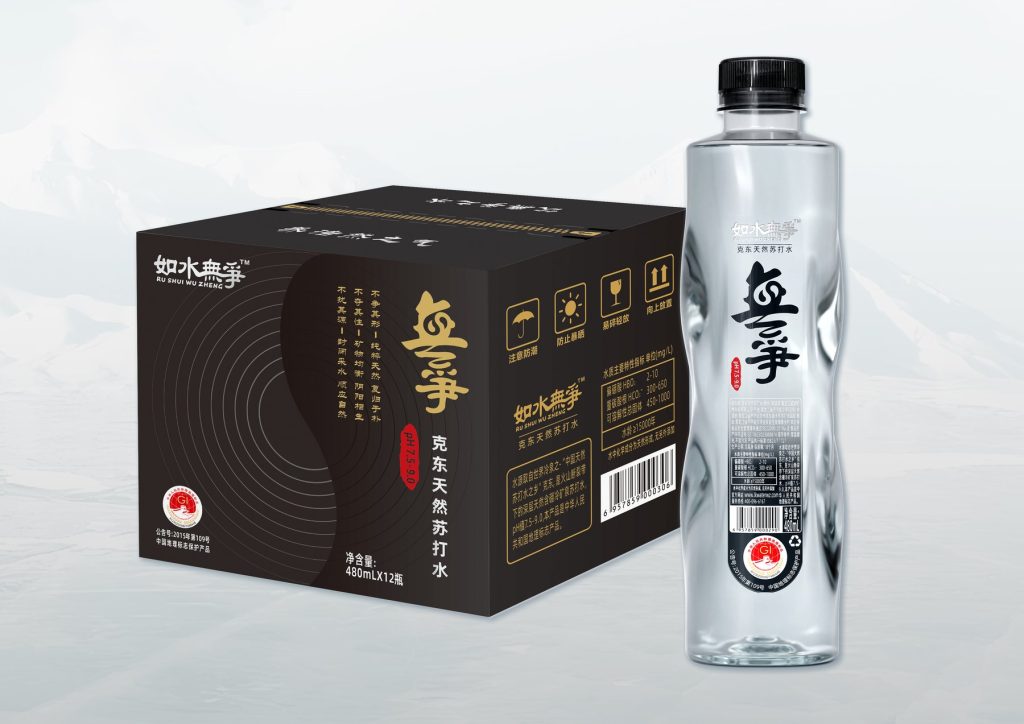
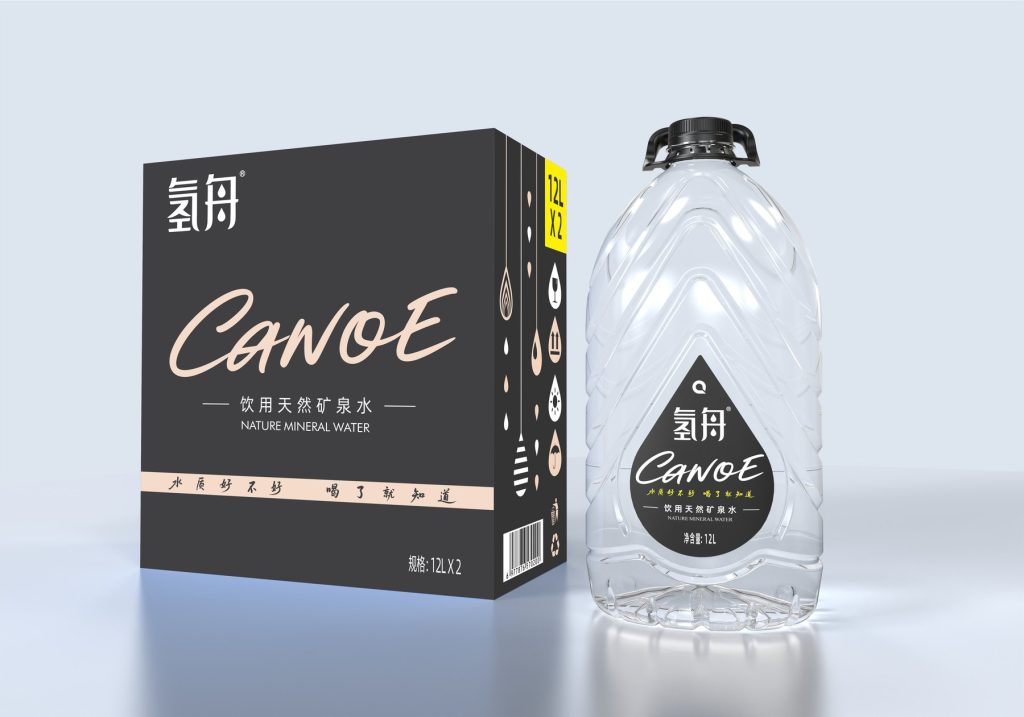
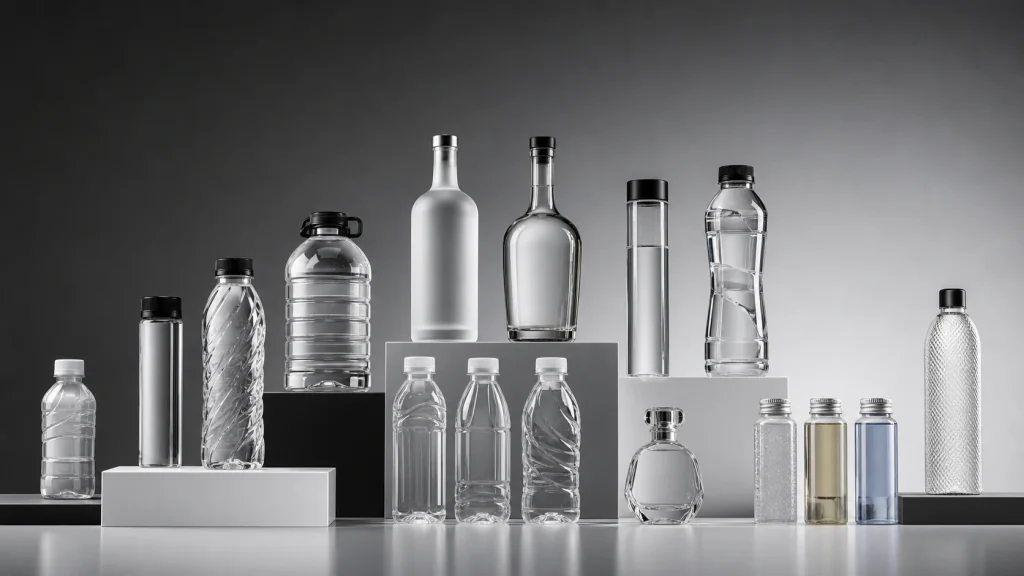
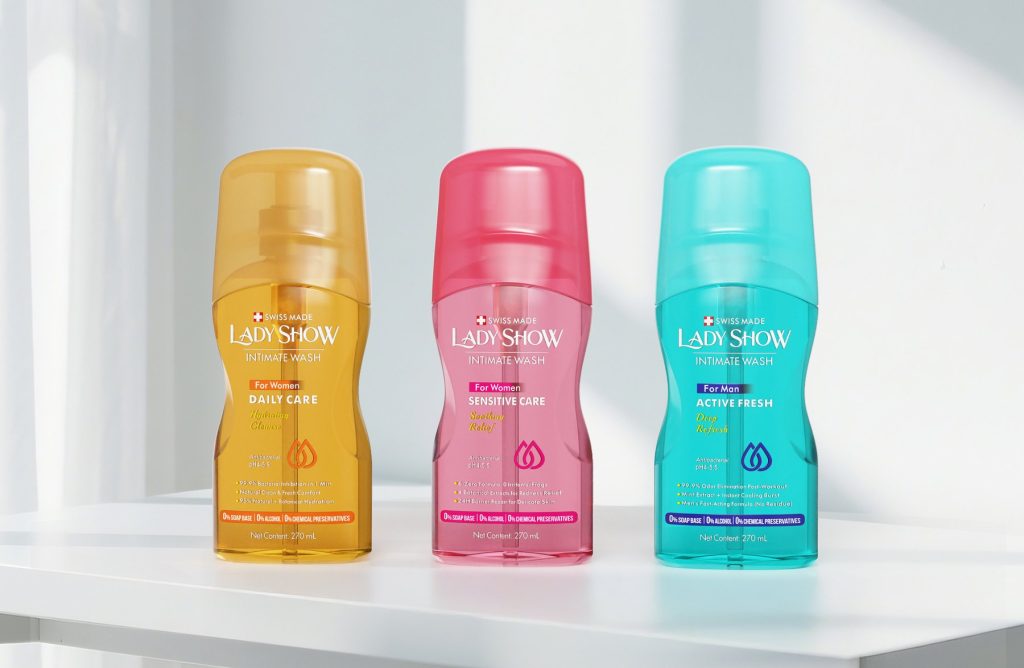
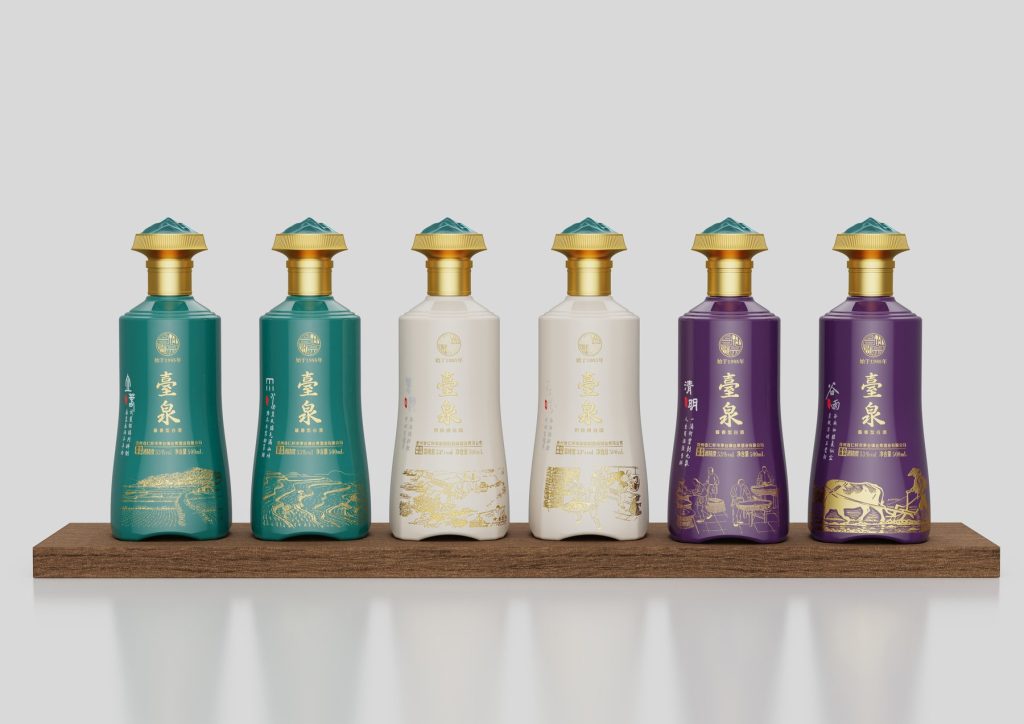
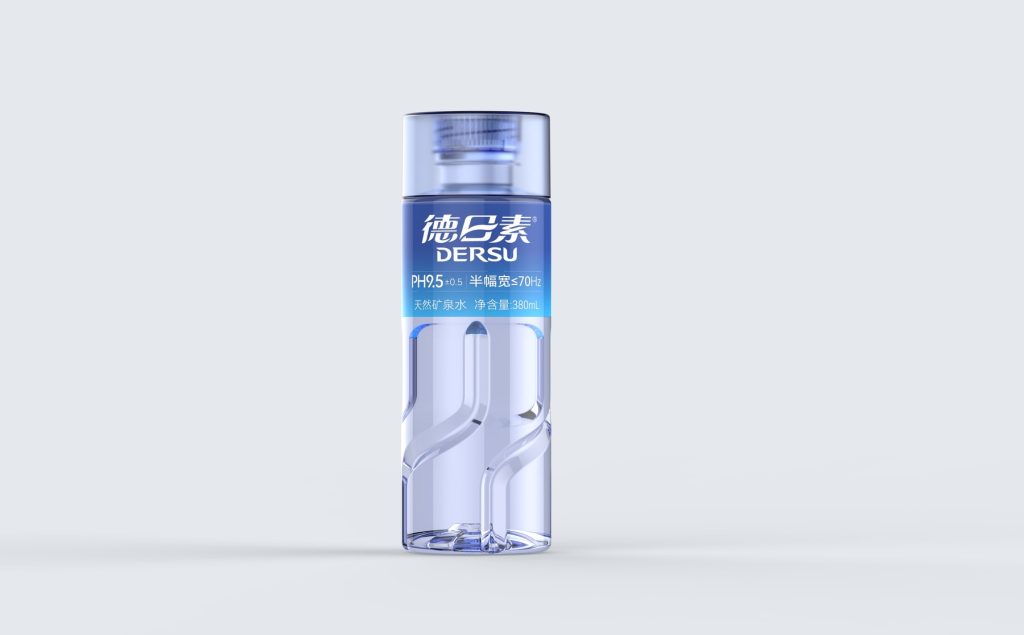
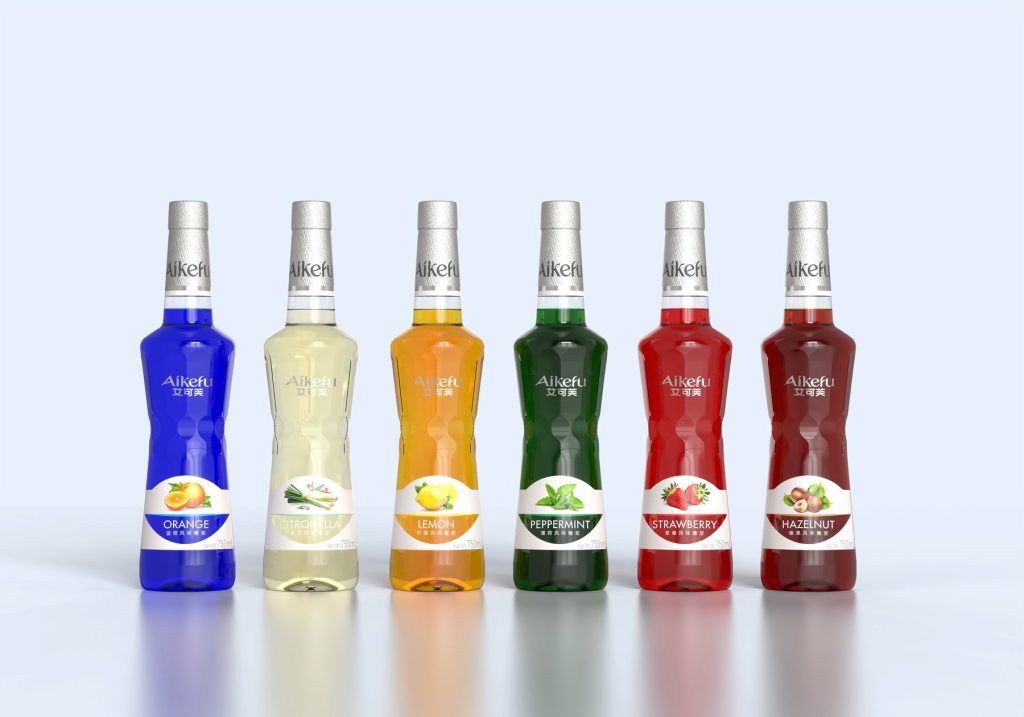
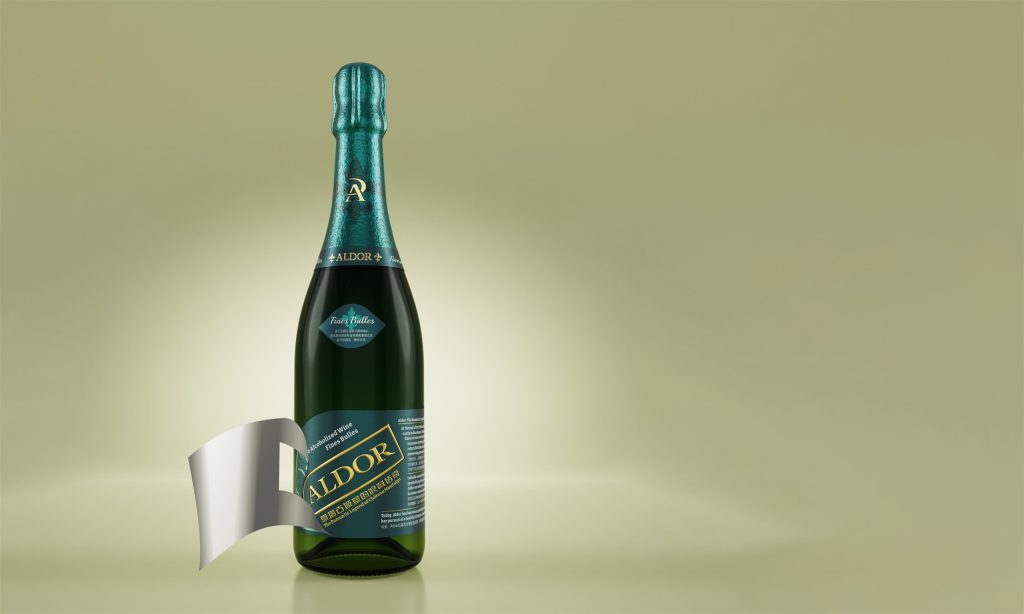
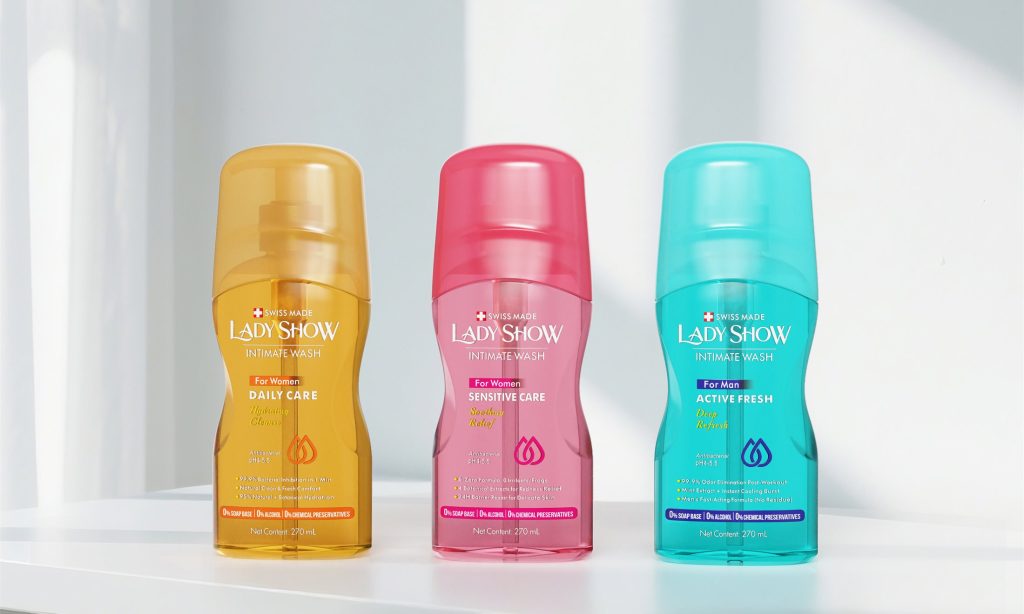
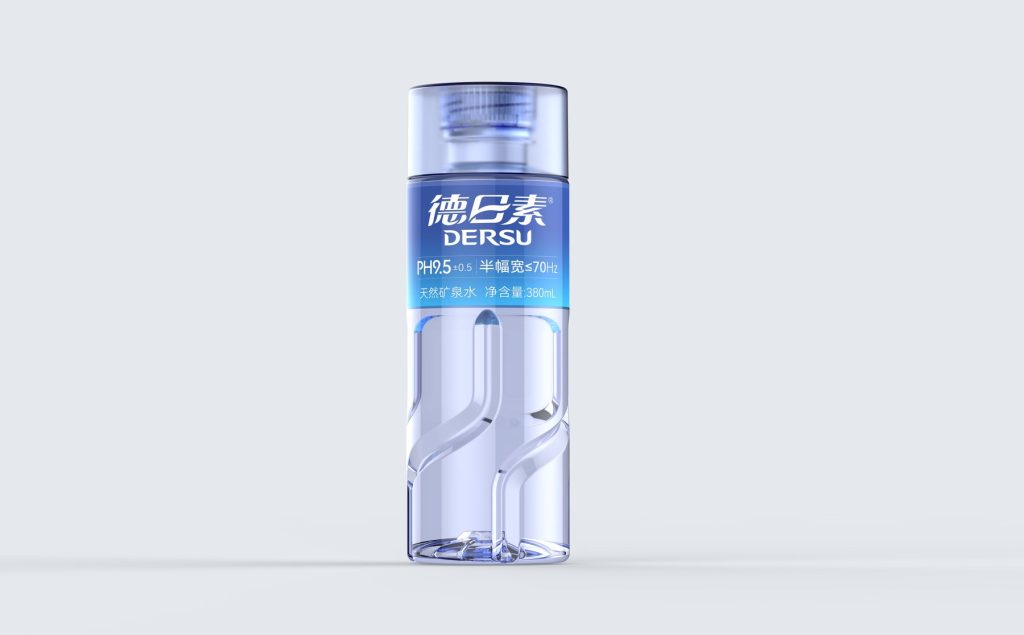
Showcase of Design Directions from the Original Bottle Design Library

FEATURED / Project Assessment

Make sure to clarify the product category, capacity, materials, distribution channels, and launch schedule first—that way, the design process won’t start with just a rendering.

From the design problem to the method and solution

We don’t just pile up industry news; we focus on compiling practical methods that are truly relevant to bottle design, packaging, and implementation. Each article addresses a common project challenge.

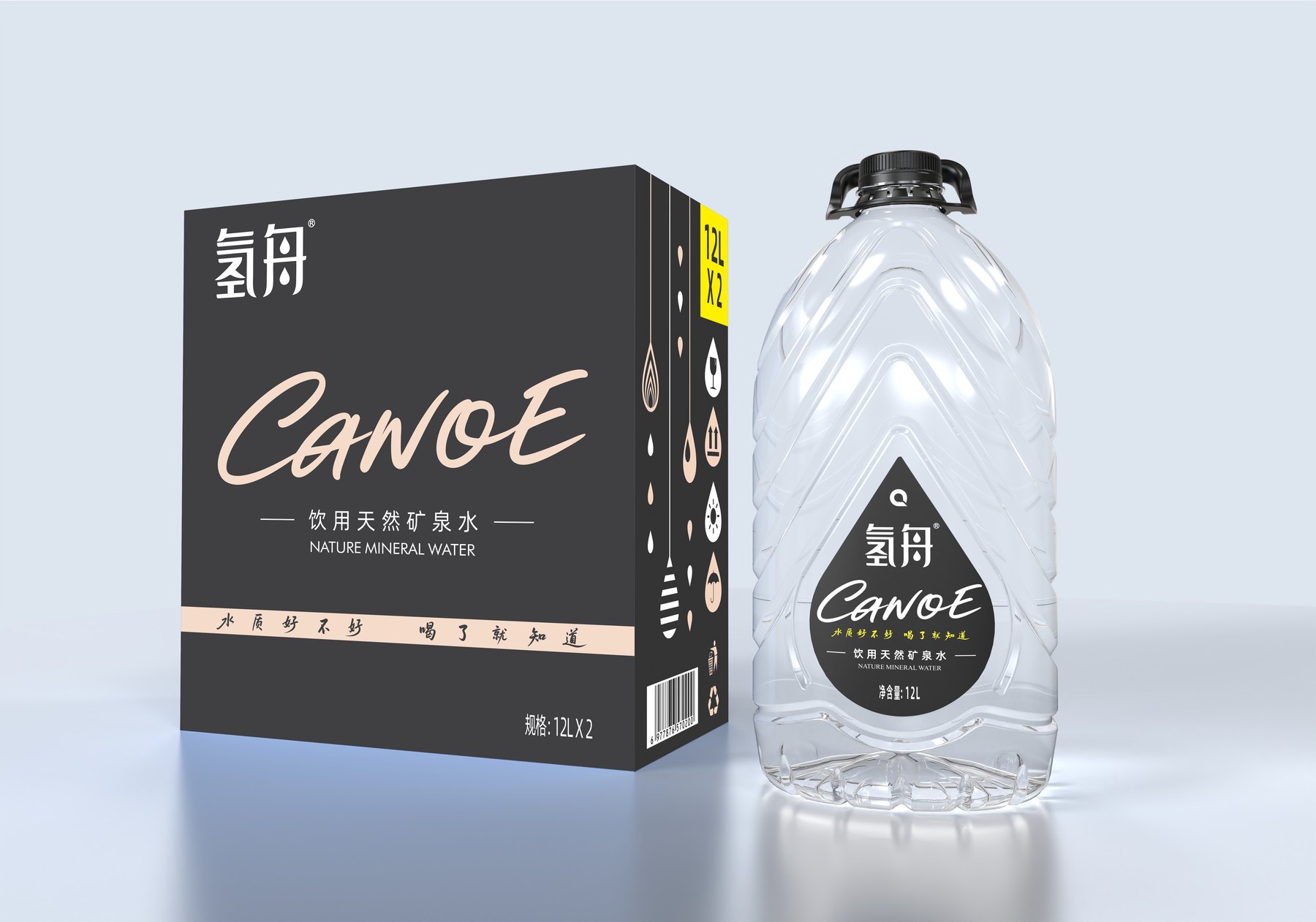
When designing a mineral water bottle, the label format should be finalized before proceeding with the detailed design. This is because self-adhesive labels, wrap-around labels, and shrink labels each have different requirements regarding the bottle’s curvature, visible surfaces, and labeling boundaries. The later this decision is made, the more likely it is that compromises will have to be made between the bottle’s structure and the brand messaging, which can also impact subsequent prototyping and coordination with suppliers.
PET bottle design cannot proceed directly from renderings to mold making. This article outlines the key steps from confirming development requirements, structural evaluation, 3D modeling, packaging compatibility, prototype validation, to pre-mold confirmation.
Before launching a new brand and designing the bottle, you must prepare at least the following: product categories, capacity specifications, materials, contents and filling methods, cap types, label formats, target channels, reference materials, and a project plan. It is not necessary to finalize all details at once, but you must distinguish between confirmed and pending items.
Custom bottle design begins with the specific needs of a brand and its products, while original bottle design solutions involve selecting from existing creative directions and determining their applicability. This article explains the selection process from five perspectives: design starting point, scope of modification, delivery scope, intellectual property, and budget.
There is no standard pricing for PET bottle design; costs depend on the level of originality, capacity specifications, filling conditions, the scope of engineering development, and whether prototyping and mold-making support are included. This article outlines Meilin’s current pricing guidelines and the key factors to consider when determining a project budget.
From the visual concept to structural detailing, prototype review, and production coordination, the process must be carried out in phases.
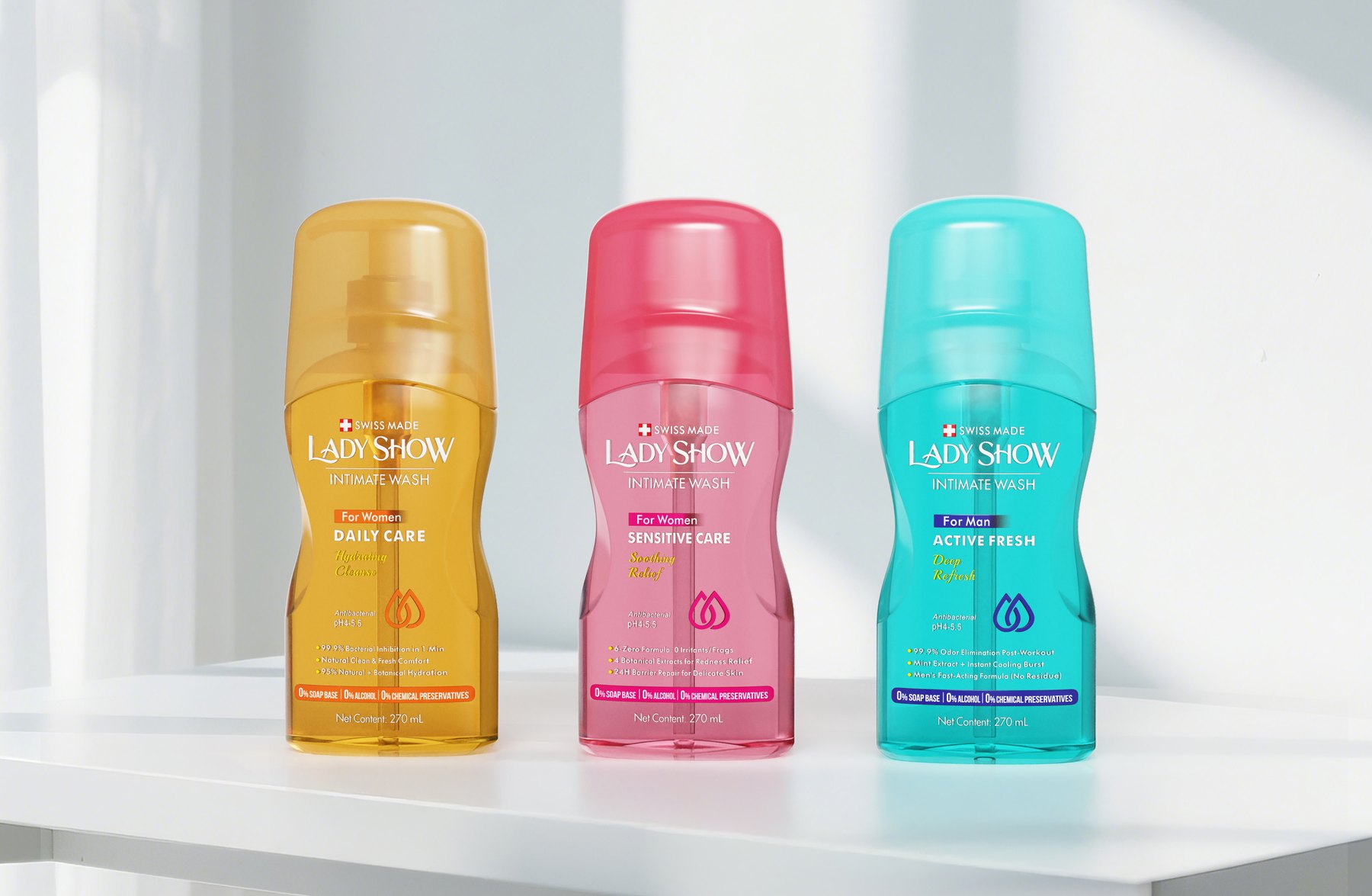
Containers for personal care products serve not only as visual elements but also as factors influencing the user experience and supply chain costs.
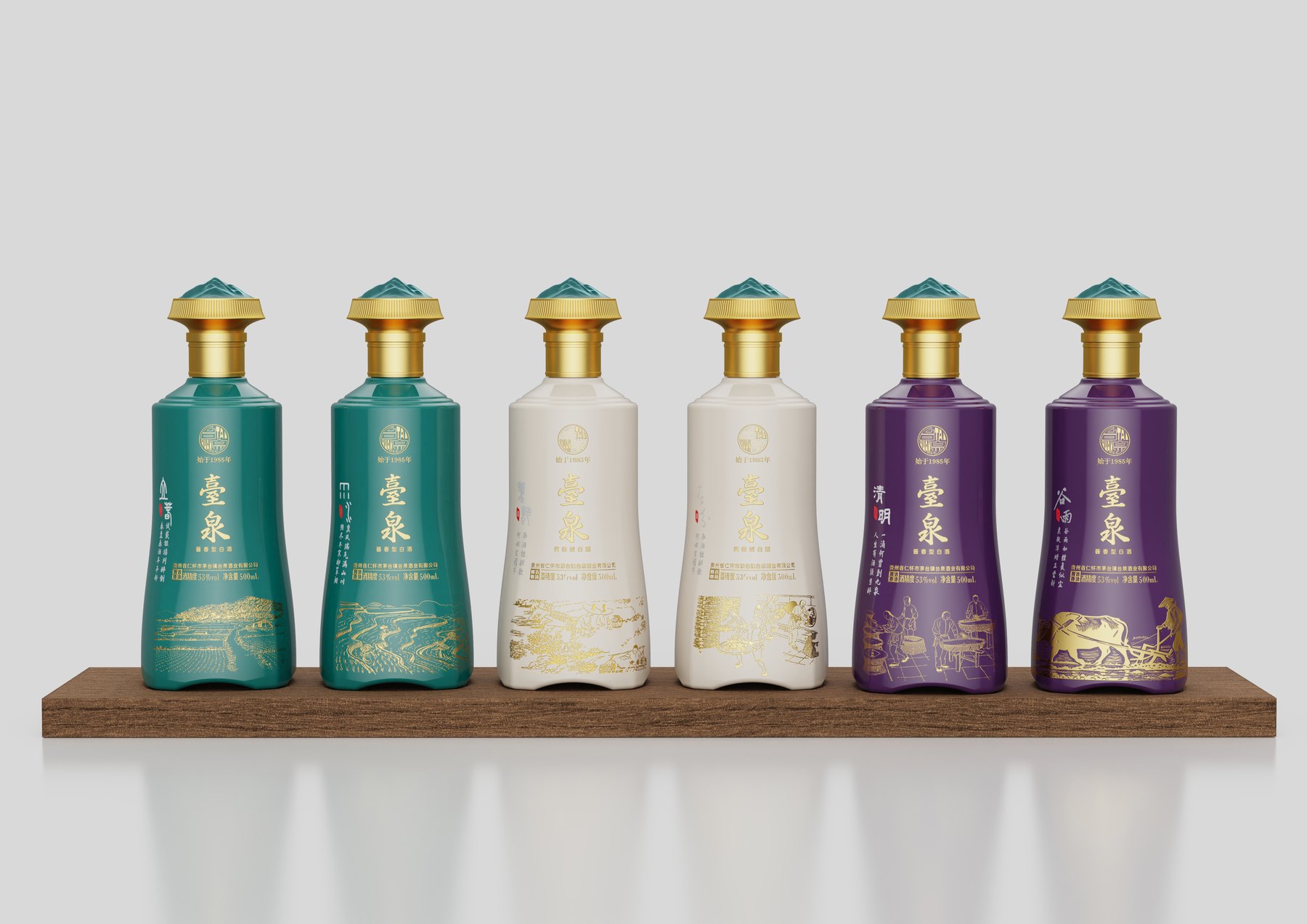
When designing wine bottles, it is important to consider the bottle’s proportions, label hierarchy, gift box presentation, and the character of the distribution channel.
If you focus solely on renderings, it’s easy to overlook the costs associated with structural design, tooling, packaging development, and go-to-market coordination.
Different materials will affect the bottle base, bottle shoulder, weight, transparency, and subsequent prototyping process.
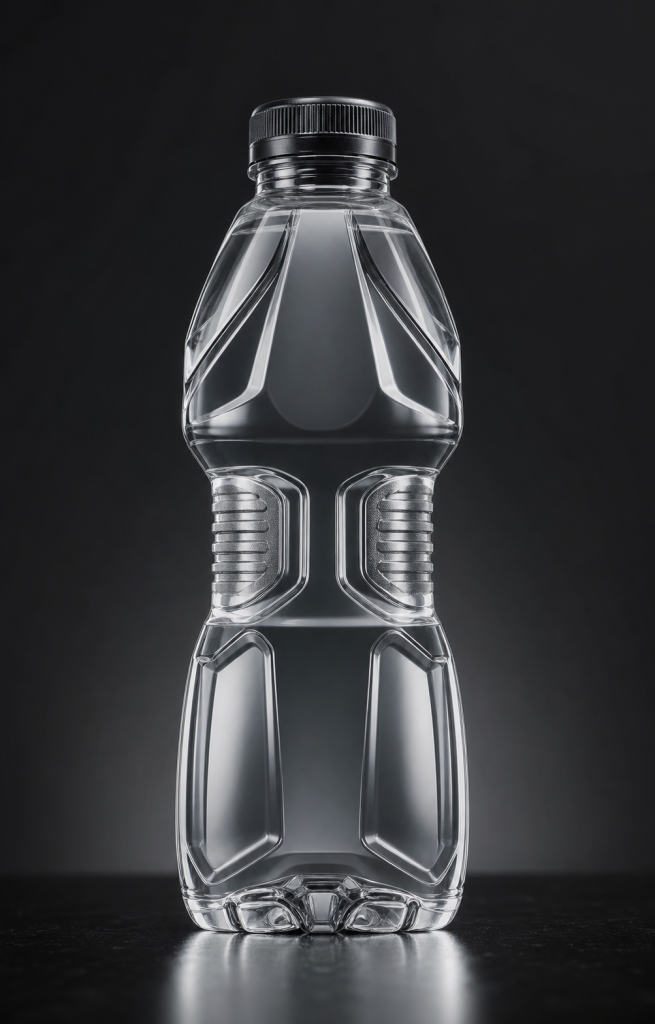
An Analysis of Mineral Water Bottle Design: Focusing on the Bottle Shoulder, Grip, Label Display Area, and PET Blow-Molding Boundaries.
The front label is responsible for attracting customers and communicating the reasons to buy, while the back label provides information on usage, ingredients, barcodes, applicable standards, and precautions. A well-designed label ensures that the front label is clean and memorable, while the back label is comprehensive without distracting from the main visual.
To avoid giving large-capacity personal care product bottles a cheap appearance, the key is to control the proportions of the bottle shoulder, handle, base, label area, and the hierarchy of information on the front. The design should convey stability and reliability, and the visuals should clearly communicate the product’s benefits and capacity rather than being cluttered with promotional selling points.
A professional packaging design firm does more than just provide visually appealing renderings; it also explains category opportunities, bottle structures, packaging aesthetics, shelf recognition, and implementation risks. Clients should focus on the depth of case studies, the design process, the evaluation of materials and manufacturing processes, and the firm’s ability to support the product’s successful launch.
Bottle design is a systematic process that focuses on the product container’s appearance, capacity, grip, user experience, label placement, and manufacturing process. It determines whether the product conveys category recognition and a sense of price at first glance, and it also influences subsequent packaging visuals, prototyping, and sales communications.
When developing a beverage gift set project, it is necessary to consider the bottle’s design and aesthetic, label information, gift box structure, craftsmanship, and budget constraints all at the same time.
Containers for personal care products must not only convey a sense of brand identity but also be practical in terms of capacity, grip, pump design, label visibility, and use in the bathroom.
PET bottle design must balance capacity, the bottle shoulder, the bottle base, the label display area, the grip experience, and the constraints of subsequent structural reviews.
Many mineral water bottles look similar, not because they lack decoration, but because their overall silhouette, shoulder and base shapes, label display area, and relationship to the product line do not form a consistent visual identity. When designing mineral water bottles, one should first define the target channels and key identifying features, then gradually refine the design by integrating structural considerations, labeling, and prototype validation.

Turn Reading into a Project Path

01 / DIAGNOSE

Diagnose First

Confirm the product category, capacity, materials, and launch schedule.

02 / DESIGN

Redesign

Establish bottle shape recognition, packaging visuals, and structural boundaries.

03 / DELIVER

Landing on the back

Coordinate prototyping, tooling, and communication with the supply chain.

Start designing only after you have a clear product plan.

Please provide the product category, capacity, material, and launch date, and Meilin will use this information to develop a suitable design plan.

Scroll to Top