

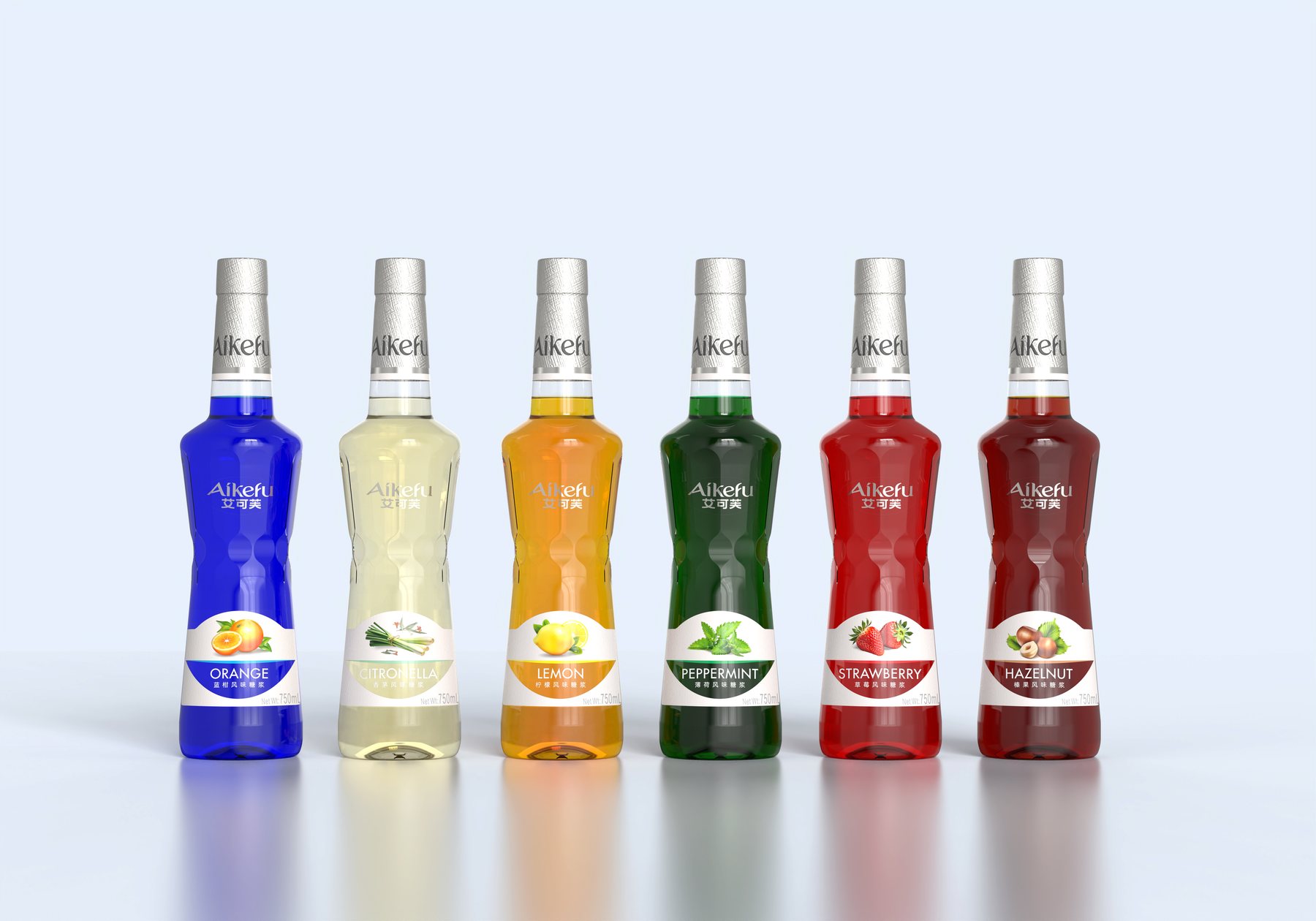
The front label is responsible for attracting customers and communicating the reasons to buy, while the back label provides information on usage, ingredients, barcodes, applicable standards, and precautions. A well-designed label ensures that the front label is clean and memorable, while the back label is comprehensive without distracting from the main visual.
Start by addressing the first impression
The front label should allow customers to quickly understand the product category, brand, key selling points, and specifications; don’t cram all the text onto the front.
Backlab Addresses Trust and Standards
The back label must clearly list the usage instructions, ingredients, precautions, barcode, production information, and applicable standards.
Series tags must follow certain rules
Different scents, flavors, and sizes should follow a uniform layout, while SKUs should be distinguished using colors or graphics.
Extension Questions
- Yes, but complete packaging usually also requires back-label specifications; otherwise, implementation and compliance information can easily become confusing.
- The main label typically includes the brand name, product name, key selling points, flavor or benefits, volume, and key identifying graphics.
- The back label typically includes ingredients, usage instructions, precautions, applicable standards, barcodes, manufacturer information, and other regulatory information.
- Rely on a restrained hierarchy of information, balanced white space, appropriate textures, precise typography, and a clear brand identity—rather than cluttering the design with elements.
- This must be taken into account. The curvature of the bottle, the label area, the placement, and the material all affect the final visual appearance.