

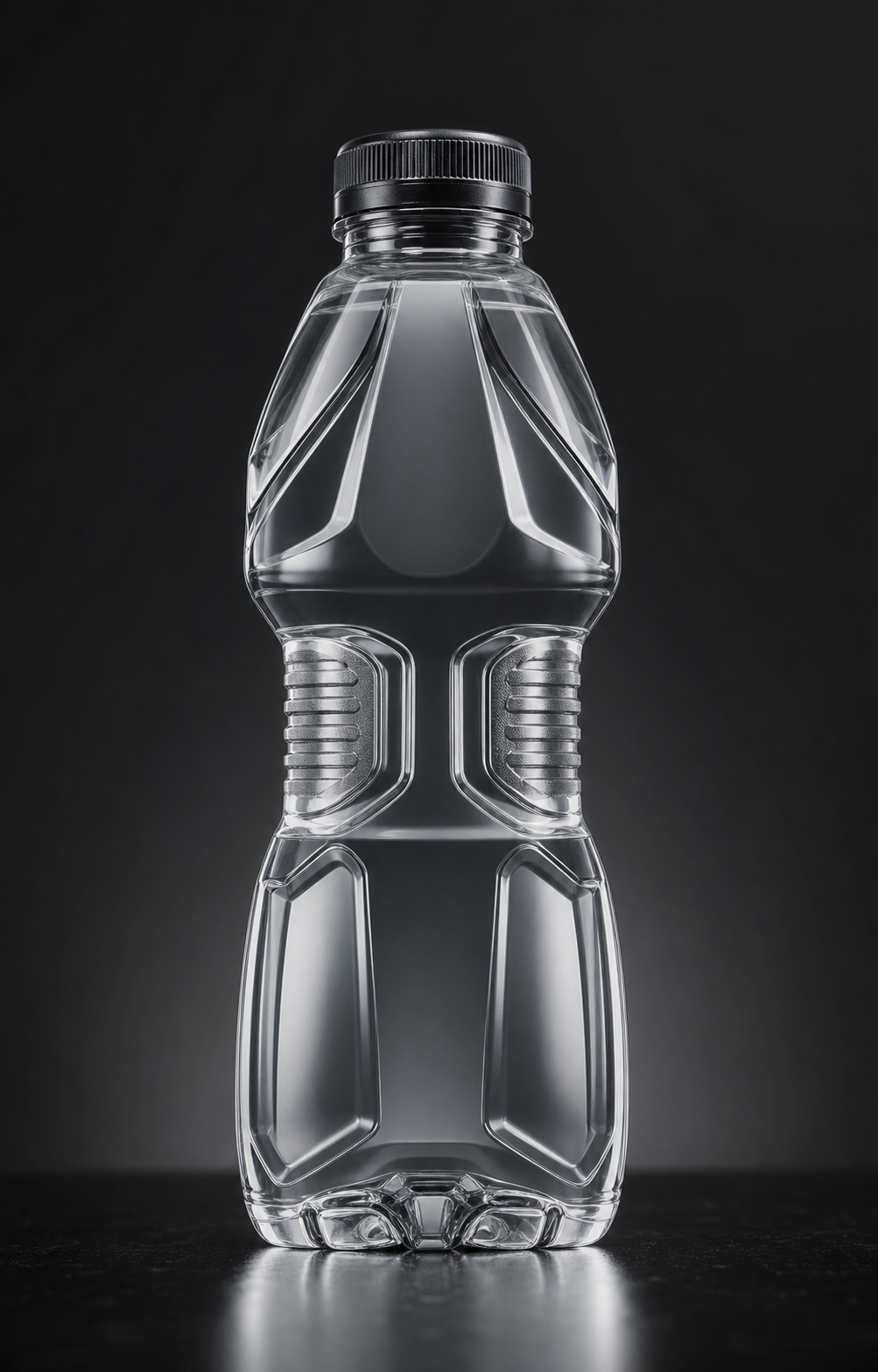
Before designing a bottle for a new brand, you must prepare at least the following information: product category, target capacity and specifications, material, contents, filling method, cap type, label format, sales channels, reference materials, and project timeline. It is not necessary to finalize all details at once, but you should clearly indicate which elements have been confirmed and which require further consideration during the design phase.
Key Conclusion: The purpose of data is to reduce erroneous assumptions.
- First, let’s describe the product and its use cases, and then we’ll discuss what the bottle should look like.
- Capacity, material, filling, bottle opening, and labeling are fundamental considerations that cannot be overlooked in the design process.
- The reference images should illustrate “what you like” and “what you don't like”; don't just post a single set of images.
- Unconfirmed information may be retained, provided that the person responsible and the expected confirmation date are clearly identified.
- If prototyping, tooling, or supplier collaboration is required, these should be included in the project scope before design begins.
Set 1: Products and Business Objectives
First, specify whether the product is mineral water, a soft drink, alcoholic beverage, cooking oil, personal care product, or household cleaning product, and provide details on the product’s characteristics, target audience, price range, distribution channels, and primary usage scenarios. Bottle design is not about creating an isolated form, but rather about designing a product that will be filled, labeled, transported, displayed, and used.
Please also specify whether this is a brand-new product, an upgraded version of an existing product, or a new size variant within the same brand. If there is an existing brand logo, packaging guidelines, or previous product versions, please provide editable files, photos of the current physical product, and a clear list of elements to be retained. If the brand’s visual identity has not yet been finalized, we can evaluate it simultaneously.Packaging Visual Design Services, to avoid difficulties in coordinating the bottle design and label design once they are developed separately.
Set 2: Capacity, Materials, and Production Conditions
Typically, the following information needs to be confirmed: nominal capacity, whether multiple sizes are available, planned materials, contents, filling and sterilization methods, bottle necks and caps, labeling processes, and existing production lines or prospective suppliers. For PET beverage bottles, it should also be specified whether conditions such as aseptic cold filling or hot filling are involved; if this cannot be confirmed, the brand owner should verify the details jointly with the bottling plant or supplier.
Do not substitute these specifications with the approach of “designing the exterior first and addressing production later.” The appearance proportions, the relationship between the bottle shoulder and base, the label area, the grip positions, and structural details may all be affected by production conditions. Specific wall thicknesses, gram weights, pressure resistance, or process parameters must be confirmed based on the bottle design and production conditions; Meilin will not determine these values on its own without supporting data.
Set 3: Visual Orientation and Evaluation Criteria
Reference images can include bottle shapes you like, competitors within the same category, cross-category designs, labels, and display settings; however, it’s best to include a brief comment with each image—for example, “I like the curve at the shoulder of the bottle,” “I don’t want it to look too sporty,” or “The label needs to have a large area for information.” This allows the design team to extract meaningful design elements rather than mechanically imitating an existing bottle.
List both the required criteria and the criteria that must be avoided. Required criteria may include brand identity, ergonomics, consistency across the capacity range, a specific cap type, or a particular shipping method; criteria to be avoided may include similar competing products, details that are difficult to clean, or certain surface finishes. The more consistent the evaluation criteria are, the more efficient the design approval process will be.
Set 4: Delivery, Timing, and Collaborative Roles
Before the project begins, please specify the expected deliverables and whether 3D prototyping or mold-making technical support is required. Meilin’s service delivery may include renderings, 3D models, CAD engineering drawings, seven-view drawings for design patents, 3D prototyping, and mold-making technical support; specific details are subject to the terms of the contract. If only conceptual direction is required, it should also be clarified who will be responsible for the subsequent engineering work.
We recommend listing the brand’s decision-makers, the design liaison, contacts at the bottling plant or packaging material supplier, the anticipated launch date, and the confirmation procedures for each party. Moving a bottle design from the design phase to production often requires collaboration among multiple parties; the design team alone cannot substitute for technical validation in the bottling, tooling, and production stages.
List of bottle design materials that can be copied directly
- Product name, category, contents, and usage scenarios;
- Target capacity, number of specifications, and whether serialization is required;
- Material, filling and sterilization methods, bottle neck, and cap;
- Label format, amount of information on the packaging, and display orientation;
- Target audience, price range, sales channels, and competing products;
- Brand guidelines, existing packaging, reference images, and prohibited orientations;
- Scheduled time, budget range, supply chain, and decision-makers;
- Required deliverables, proofing, and the scope of collaboration for mold making.
Shenzhen Meilin Industrial Design Co., Ltd. specializes in innovative bottle and packaging design for consumer goods, primarily serving the mineral water, beverage, alcoholic beverage, cooking oil, personal care, and household cleaning products sectors. Even if all materials are not yet fully available, you may submit the information you have at this time. Both parties will then identify any gaps and decide whether to proceed with the formal design process.
Frequently Asked Questions
If we don't have a bottling plant yet, can we start by designing the bottle shape?
You can start by conducting a needs assessment and discussing the general direction, but key design elements related to production conditions cannot be determined arbitrarily. We recommend identifying a filling or packaging material supplier as early as possible to jointly confirm material specifications, bottle openings, and filling and equipment constraints.
Can hand-drawn sketches be used as reference material?
Sure. Sketches can help illustrate ideas, but they must be supplemented with information on the product, capacity, usage scenarios, and manufacturing details; they should not be treated as complete engineering specifications.
Does looking at competing products count as plagiarism?
The purpose of this reference is to analyze common characteristics of the product category, the shelf environment, and similar design directions to avoid; existing bottle shapes should not be directly copied. The project should establish its own design criteria and visual identity.
How long will it take to complete once the materials are ready?
There is no fixed timeline that applies to all projects. The number of specifications, approval efficiency, level of engineering detail, prototyping, and collaboration with suppliers all affect the schedule; the official project plan takes precedence. Continue readingKey Steps in Bringing Packaging Design from Concept to Reality。
Related Services and Case Studies
- View Our New Bottle Design Services
- Learn About Our Services and Budget Guidelines
- View design examples from different categories
- Submit project requirements according to the list of materials