

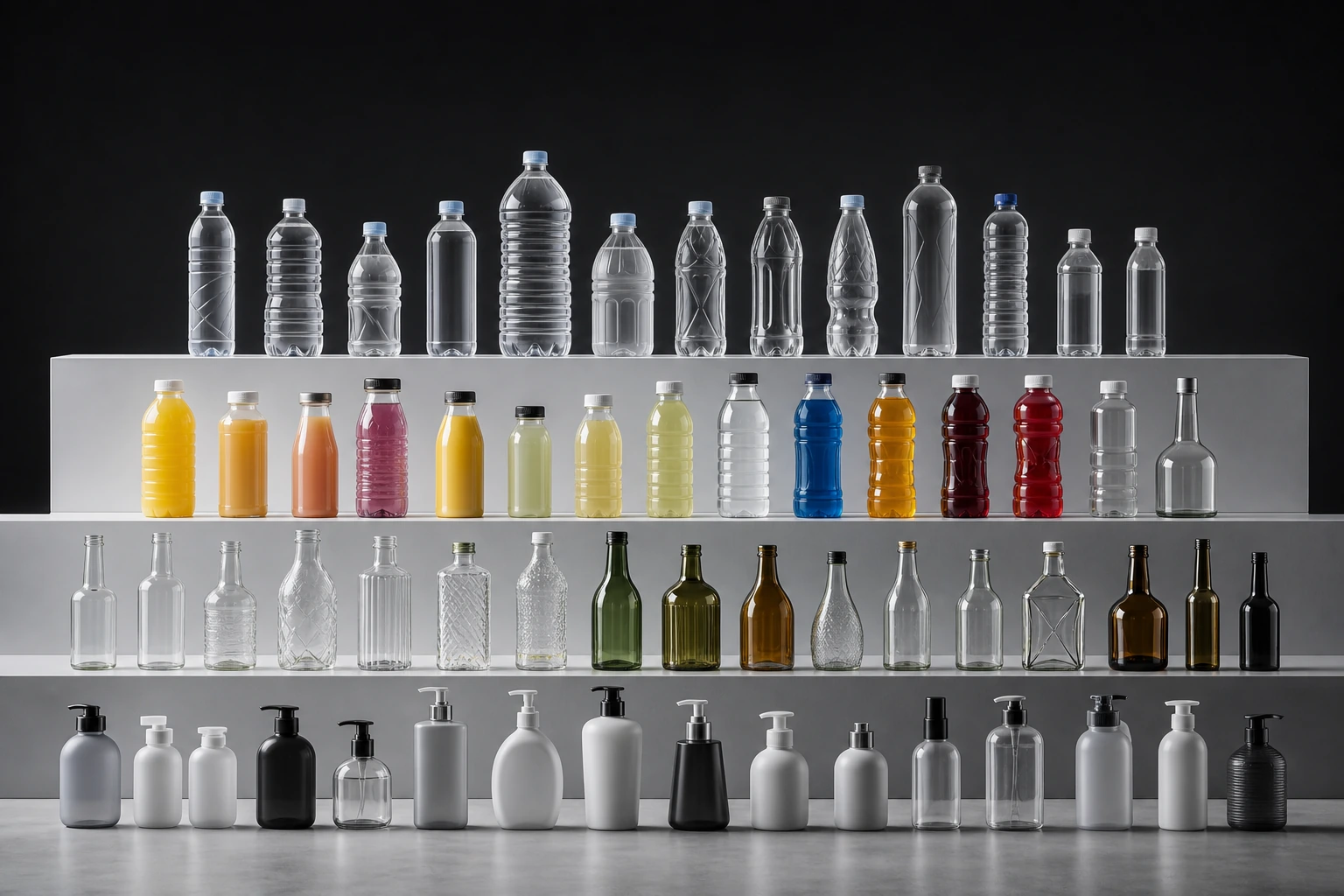
A professional packaging design firm does more than just provide visually appealing renderings; it also explains category opportunities, bottle structures, packaging aesthetics, shelf recognition, and implementation risks. Clients should focus on the depth of case studies, the design process, the evaluation of materials and manufacturing processes, and the firm’s ability to support the product’s successful launch.
Do the case studies just consist of a bunch of pictures?
A high-end design firm will explain the project background, design objectives, structural analysis, and business outcomes, rather than simply presenting a collection of unexplained images.
See if you understand the implementation
Ultimately, packaging goes through the processes of molding, printing, filling, and shipping; if a design firm doesn’t understand how to bring a concept to life, the design is likely to remain nothing more than a rendering.
See if it can help the client make a decision
B2B customers need a basis for making a decision. A professional webpage will showcase the process, FAQs, a list of project requirements, and a contact form.
Extension Questions
- Prioritize case studies within the same product category, structural complexity, the completeness of the visual system, and whether scene diagrams, shelf layouts, and product line diagrams are included.
- If a project involves bottle shapes, containers, manufacturing processes, and implementation, 2D design alone is usually insufficient; it requires structural and 3D reviews as well.
- The true value lies in project analysis, original design concepts, visual systems, materials and craftsmanship, prototyping and communication, and long-term brand equity—not just a single rendering.
- Look to see if the case studies follow the same patterns, if the rationale behind the design is clearly explained, and if the designer understands the product category and supply chain.
- Prepare information on product categories, capacities, competing products, target price ranges, distribution channels, launch dates, and existing supply chain constraints.