

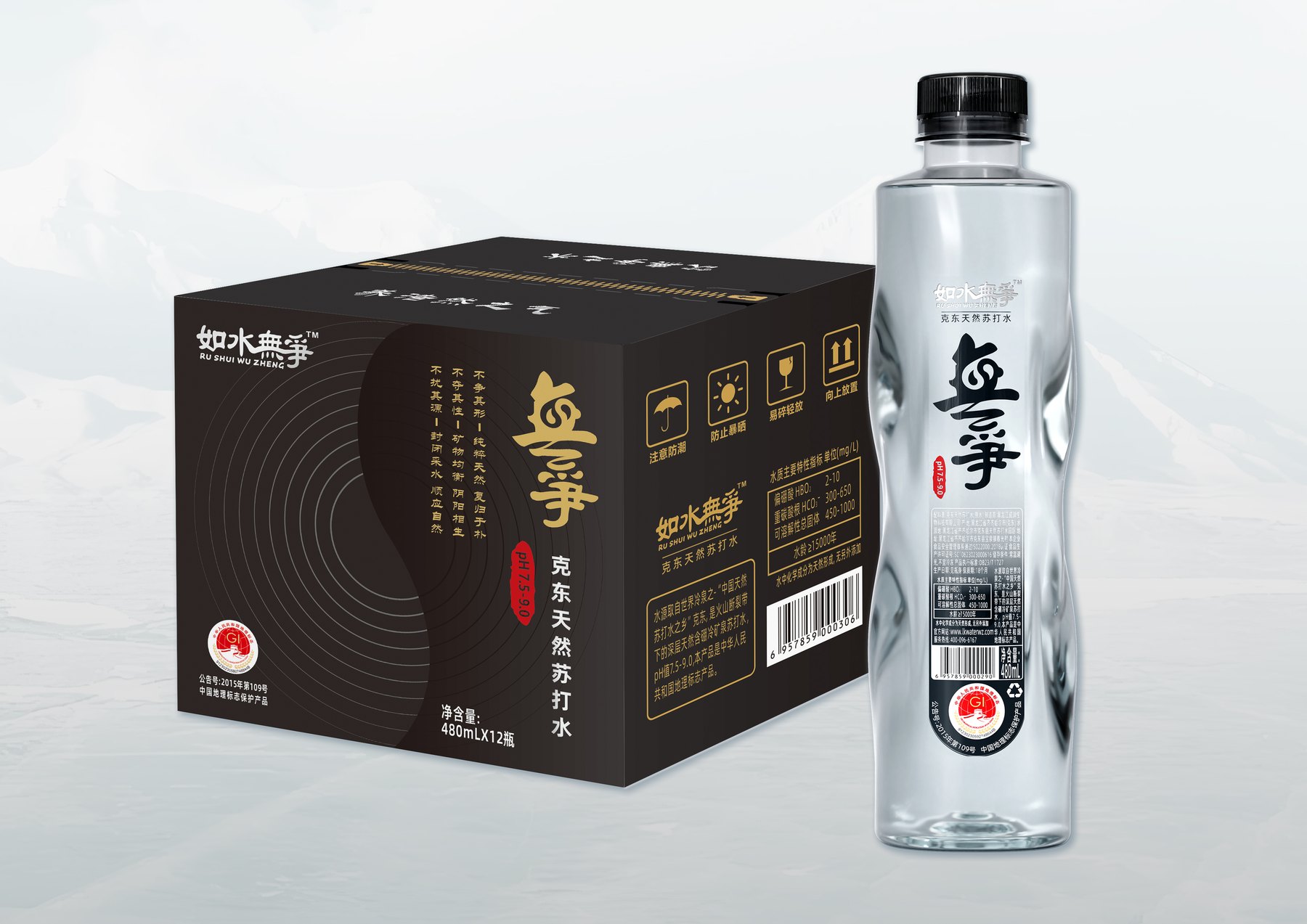
When designing the shape of a mineral water bottle, the label format should be determined before finalizing the bottle’s design. This is because self-adhesive labels, wrap-around labels, and shrink labels have different requirements regarding the bottle’s curvature, display surface, and structural divisions; if the label is simply adapted to fit the bottle, the brand’s main graphic, barcode, or essential information may end up in an inappropriate location.
First, here’s the conclusion:First, confirm the label format—not by finalizing the visual design, but by clarifying how the label will be applied, the orientation of the main image, the area of the stable surface, and the boundaries of the materials and equipment. This ensures that the bottle design, packaging information, and subsequent implementation can proceed under a consistent set of conditions.
Different label formats require different bottle surfaces.
Self-adhesive labels typically require a relatively stable surface that is easy to apply to; the edges of the label should avoid sharply curved surfaces or prominent ribs. Wrap-around labels rely more heavily on a continuous label area and appropriately positioned seams; while shrink labels can cover certain curved surfaces, image distortion, seam visibility, and the actual shrinkage effect must still be verified based on material and equipment specifications.
Therefore, the label design will, in turn, influence the transition at the bottle shoulder, the waistline of the bottle, the grip area, and the layout of the primary display surface. DoingBottle Design for Drinking Water and Mineral WaterIn this case, the bottle structure and the label cannot be treated as two separate tasks.
Why can't we wait until the bottle design is finalized before making a selection?
When the bottle is frozen first and the label is applied later, the common issue isn’t simply that “the design looks unattractive”—it’s actually a lack of usable display space: the brand name is forced to shrink, barcodes or essential information end up in areas with high curvature, the label edges clash with the bottle’s texture, and the front recognition zone and the actual grip area overlap.
These issues can be mitigated through layout adjustments, but not all of them can be resolved through graphic design alone. If the design has already entered the proofing or mold-making phase, making changes to the label area will often affect the bottle’s proportions and require further refinement of the model. When determining the design direction, the label’s layout and the hierarchy of key information should be established simultaneously, incorporatingPackaging Visual DesignCalibration.
What conditions should be confirmed first in the project?
BrandFirst, confirm the product positioning, capacity planning, primary distribution channels, launch plan, and the information that must be included.Design FirmBased on this, establish the relationship between bottle shape, labeling, and display perspectives, and identify the engineering boundaries that require confirmation.
Label materials, printing, and labeling conditions shall be provided by the brand owner in coordination with the relevant packaging or equipment suppliers; bottle necks, caps, filling, boxing, and production compatibility shall also be confirmed by the respective suppliers. The design team shall proceed with further refinement based on the confirmation results and shall not substitute project verification with generic parameters.
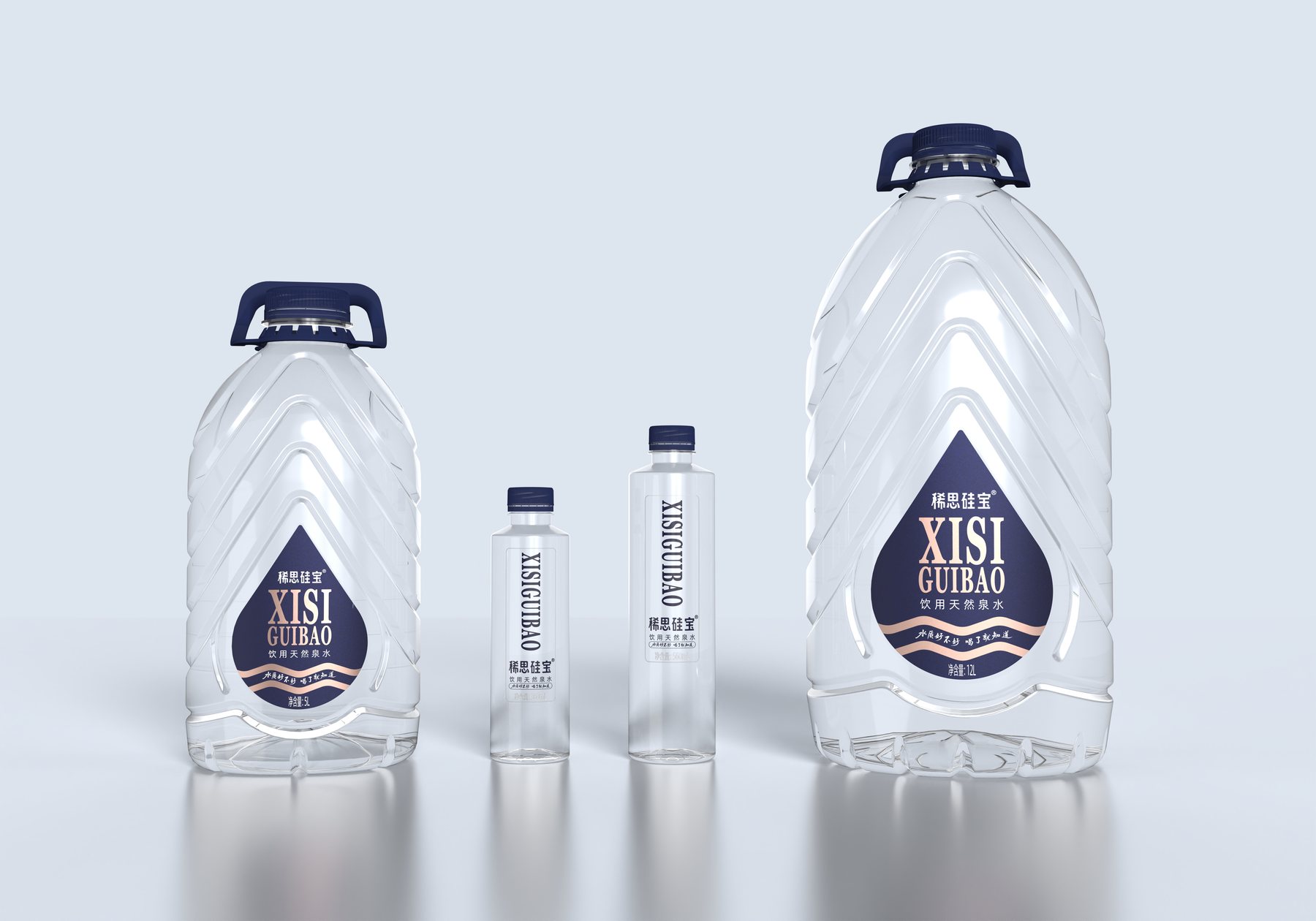
In real-world projects, how are labels and bottle shapes calibrated to each other?
In the Meilin "Like Water, Without Strife" project, the bottle proportions, label legibility, and shelf visibility must be evaluated in conjunction;Hydrogen Boat Natural Mineral Water Bottle DesignAt the same time, evaluate the label format, display area, and overall silhouette. For a product line, it is not recommended to directly replicate the same label proportions; instead, the label area and family relationships should be examined on a case-by-case basis.
Even if the proportions between the label and the bottle shoulder appear harmonious in the renderings, they may still require minor adjustments once the prototype is produced. The actual feel, volume, and relationship with the label should be verified using the prototype before deciding whether to finalize the design.
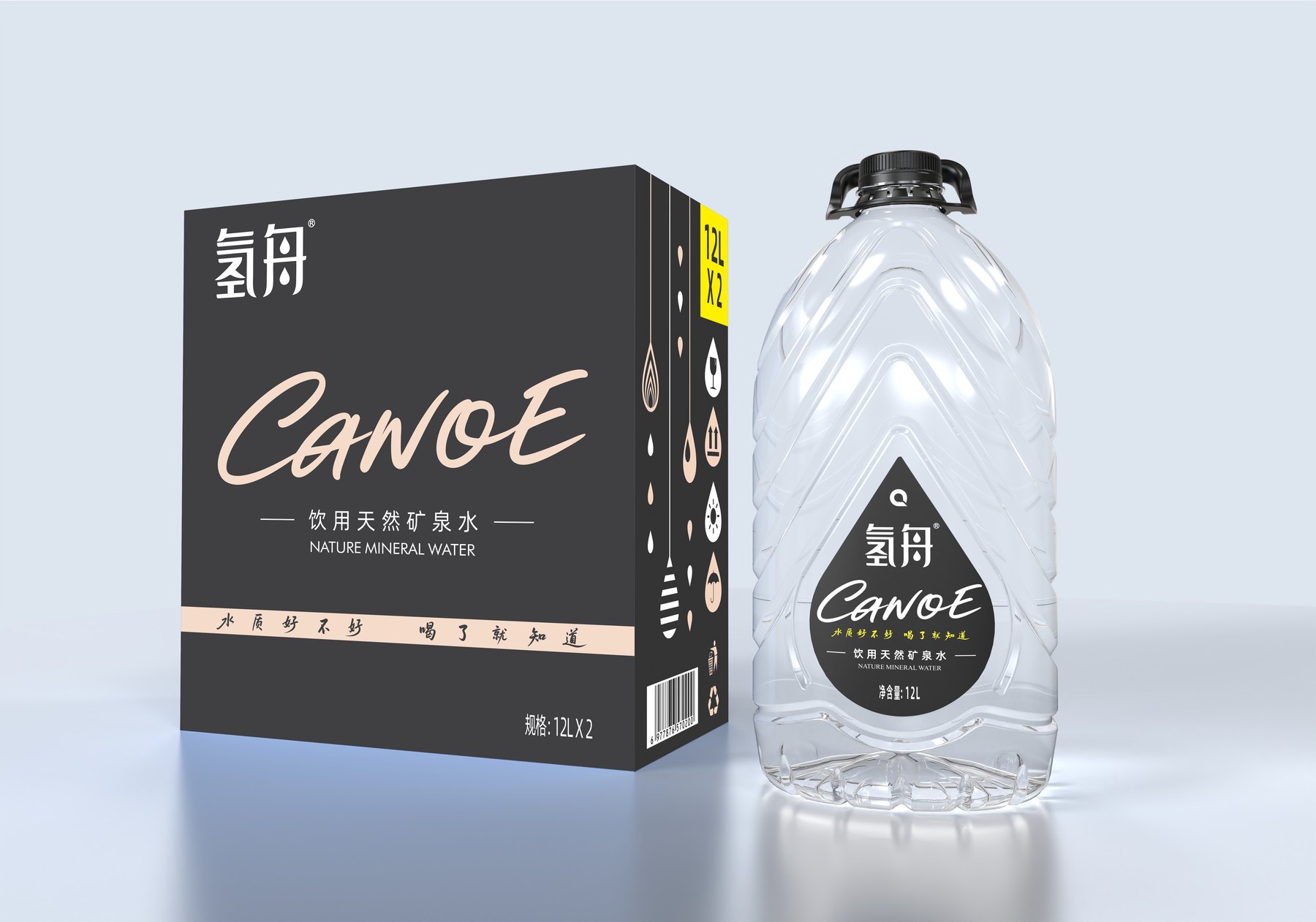
Check These Five Items at Least Before Tooling
- Whether the labels are self-adhesive, wrap-around, shrink labels, or another type;
- The primary identification area on the front, the seam locations, and the approximate unfolded dimensions;
- Hierarchy of brand name, product name, specifications, barcode, and other necessary information;
- The practical limitations imposed by label materials, printing, and labeling equipment;
- Do the placement, legibility, and overall proportions on the bottle-shaped sample appear appropriate?
This review does not mean that all information must be finalized at once; rather, it is intended to identify any conflicts between the label and the bottle design as early as possible, before the bottle design is finalized. For more public projects, please visitMeilin Success Stories。
Frequently Asked Questions
Is it okay to choose the label design after the mineral water bottle shape has been finalized?
You may proceed, but the label area will be constrained by the established curvature, rib positions, and grip zones. If the label format has not yet been finalized, we recommend not finalizing the bottle’s display area at this stage to avoid having to make significant design adjustments later on to accommodate labeling and ensure information legibility.
Do shrink labels not require a flat label area?
No. Shrink labels can conform to certain curved surfaces, but image distortion, seam placement, and the actual shrinkage effect still need to be verified. The boundaries of the film material, printing, and equipment should be confirmed by the relevant suppliers, and the design should then adjust the layout and bottle-label relationship accordingly.
What are the differences between self-adhesive labels and wrap-around labels in terms of bottle requirements?
Self-adhesive labels typically require a relatively stable surface that is easy to apply to; wrap-around labels, on the other hand, rely more on a continuous label area and appropriately positioned seams. Specific dimensions and allowable curvature must still be determined based on the material and labeling equipment.
Can labels with the same proportions be used directly for products of different capacities within the same series?
We do not recommend simply scaling up or down in the same proportion. For different sizes, the proportions of the bottle, the label area, the dimensions of key information, and the relationship within the product line should be checked individually to ensure consistency within the brand’s visual identity, while avoiding a cluttered appearance on smaller sizes or a sparse, empty look on larger sizes.
If the project has already specified the product category, capacity, material, filling method, and launch date, you can useContact UsSubmit the existing materials. Meilin can help assess how the label design will affect the bottle’s display surface, orientation, and subsequent refinements.