

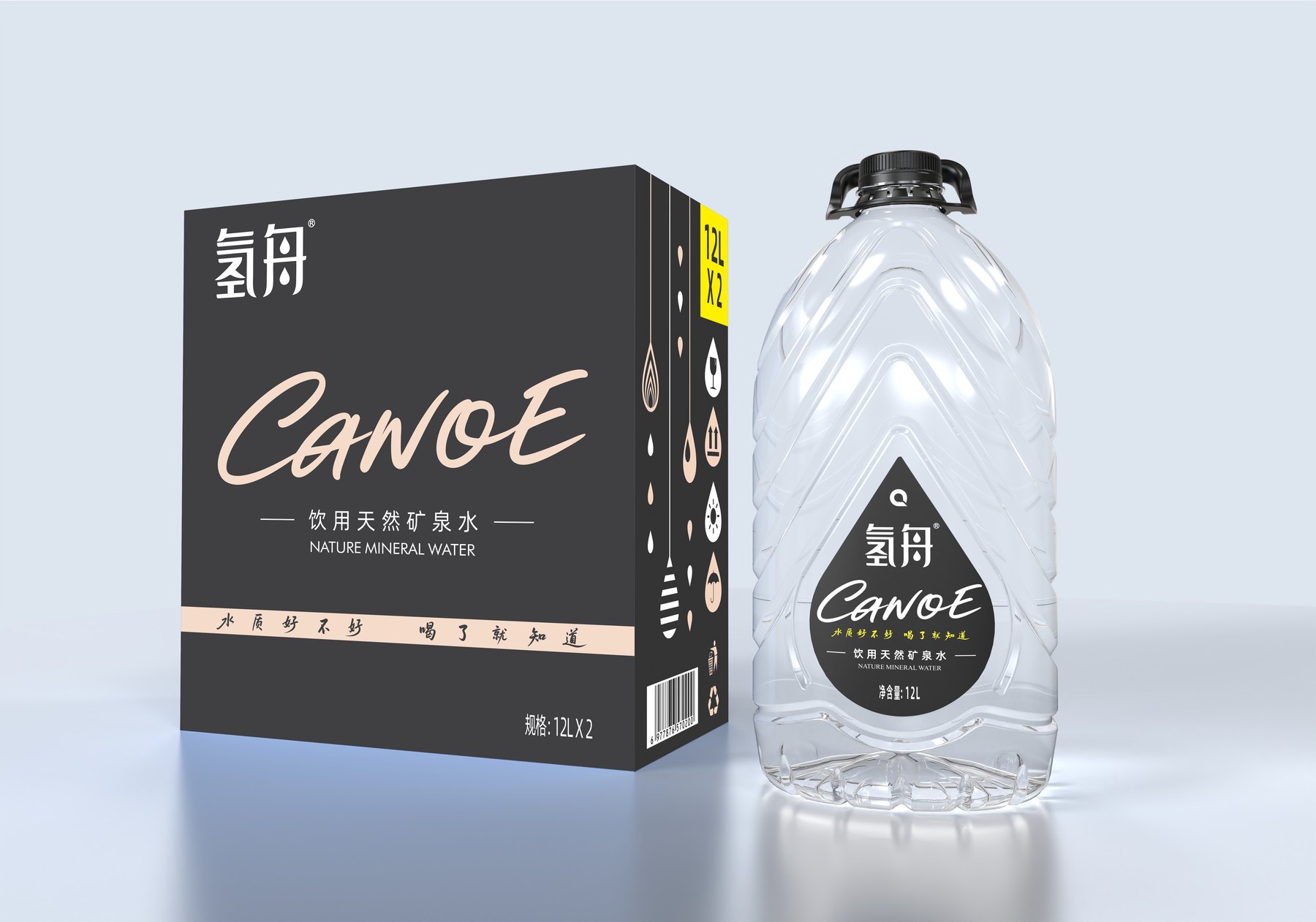
Bottle design is a systematic process that focuses on the product container’s appearance, capacity, grip, user experience, label placement, and manufacturing process. It determines whether the product conveys category recognition and a sense of price at first glance, and it also influences subsequent packaging visuals, prototyping, and sales communications.
Why Does Bottle Design Affect Sales?
When customers look at products on store shelves or in e-commerce thumbnails, the first things they notice are often not the text, but the bottle’s shape, color, and proportions. Once a bottle looks cheap, it’s very difficult for the rest of the packaging design to make up for it.
How is bottle design typically done?
First, we analyze the product category, capacity, competitors, and distribution channels; then, we propose recommendations for the structure, 3D proportions, label placement, and materials and manufacturing processes; finally, we move on to discussions regarding the packaging design and prototyping.
Common Misconceptions
Many projects initially focus solely on exaggerated designs, while neglecting factors such as capacity, grip, part lines, cap design, and label fit. For a bottle design to be truly viable, its structural integrity must be ensured first.
Extension Questions
- Bottle design firms are responsible for the appearance, structural proportions, grip comfort, shelf recognition, and feasibility assessment of product containers, and they collaborate on packaging visuals, label design, and prototyping.
- Bottle design addresses the container’s structure, shape, and user experience; packaging design addresses the brand’s visual identity, label information, and shelf communication. High-end projects typically require both to be done together.
- Assessing the bottle's structural design early on can reduce risks related to tooling, filling, shipping, and shelf display, and prevent the creation of attractive renderings that cannot be implemented in practice.
- Meilin is ideal for brand clients in industries such as beverages, household cleaning products, food and gifts, personal care, alcoholic beverages, and pet care—those seeking to upgrade their bottle designs and packaging aesthetics.
- Typically, we need information on product category, size options, target price range, competitor references, launch date, sales channels, and brand positioning. The clearer the information provided, the faster we can evaluate the proposal.