Project Overview
Brand
Oil Cuisine
Products
Flaxseed Oil Bottle
Capacity
375 mL
Container Material
Glass (Proposal Settings)
Design Content
Bottle Design Proposal
Project Status
Design Proposal
How can a 375-milliliter bottle of cooking oil balance ease of handling with the display of information?
This design proposal for Youshanfang centers on a 375-milliliter glass bottle of flaxseed oil. Picking up the bottle, pouring the oil, and reading the information on the front—all of these actions take place with a single container. The design must not only look good on display but also provide adequate space for both the hand and the label.
This is the product challenge the project will address: if the bottle is too straight, the grip area isn’t prominent enough; if the entire bottle is covered in intricate designs, it becomes difficult to arrange the information on the front. Before designing the bottle shape, first clearly outline the specifications and the content to be displayed on the bottle’s surface,Bottle Type Project Preparation ChecklistThis can serve as a starting point for discussion.
First, create a grip area on the middle of the bottle.
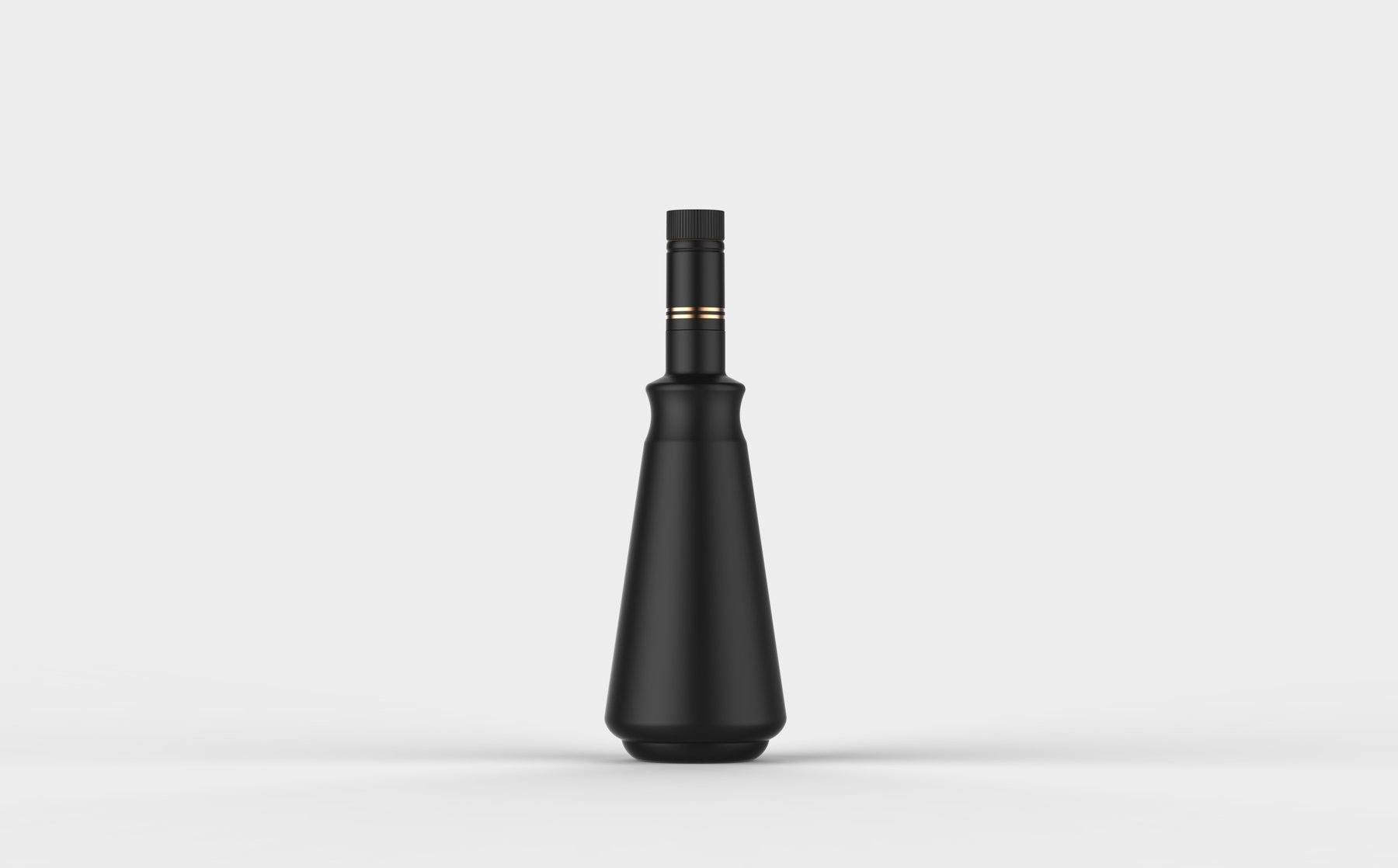
One design features a slender, tapered bottle. The neck gradually widens toward the bottom, then tapers inward at the middle of the bottle. When held, this contour provides a more defined grip; viewed from the front, it also prevents the small bottle from looking like a straight tube.
Rather than covering the entire body of the bottle with the pattern, the design features two thin lines around the neck, creating a subtle contrast in visual weight between the cap, the shoulder, and the body. The matte black finish draws attention to the overall silhouette, while the relatively unadorned body of the bottle provides a clean canvas for the product name and label.
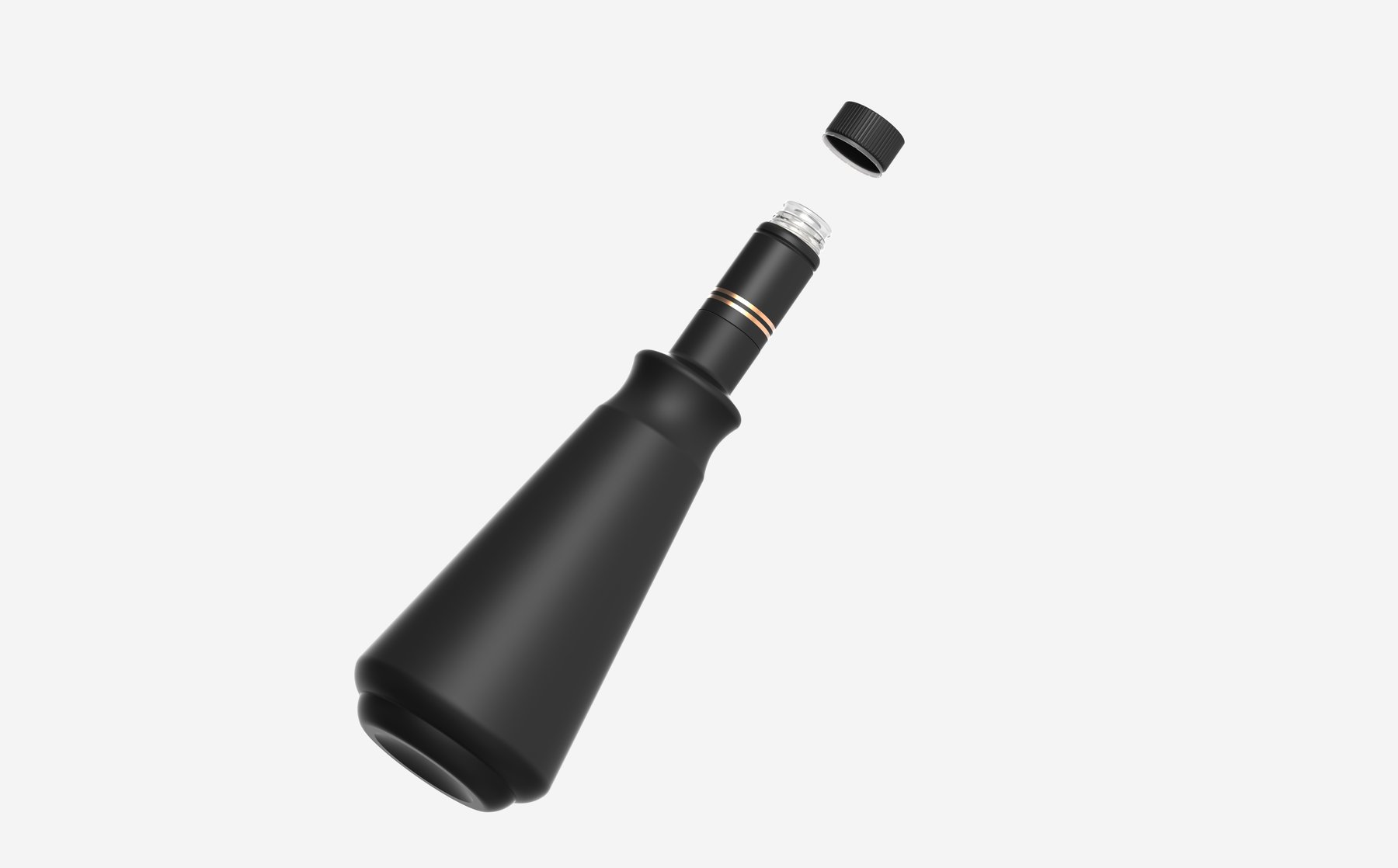
Three areas—where should the focus lie in each one?
The original proposal did not include only this conical bottle. Another design option featured a flatter bottle body, allowing the information on the front to be arranged along a more uniform surface. A third option featured a straighter silhouette, concentrating the design variations on the vertical undulations in the lower half of the bottle.
The differences between these three designs go beyond just their outward appearance. The tapered bottle emphasizes the curve of the bottle’s waist when held; the flatter bottle body is better suited for displaying the label; and the straight-sided silhouette keeps the overall design clean and simple. Brands can use this as a basis for comparison to determine whether they want consumers to notice the bottle’s silhouette first or read the information on the front label first.
This also shows that,Choosing an Original Bottle Design DirectionIn this case, you shouldn’t simply choose the option with the most features. First, figure out which problem each approach addresses; this will provide a basis for further discussion.
With the same bottle shape, you can also compare the effects of different colors.
This set of renderings also features the same bottle design in dark green, matte black, and white. While the bottle’s silhouette remains unchanged, the visual impression differs significantly: the dark green version makes the distinction between the neck and the body more apparent; the matte black version allows the silhouette to take center stage; and the white version highlights the transition between the shoulder and the waist more clearly.
By comparing the colors on the same design, you can first eliminate the distraction caused by “just changing the bottle” and then decide which visual effect you want to be seen first.
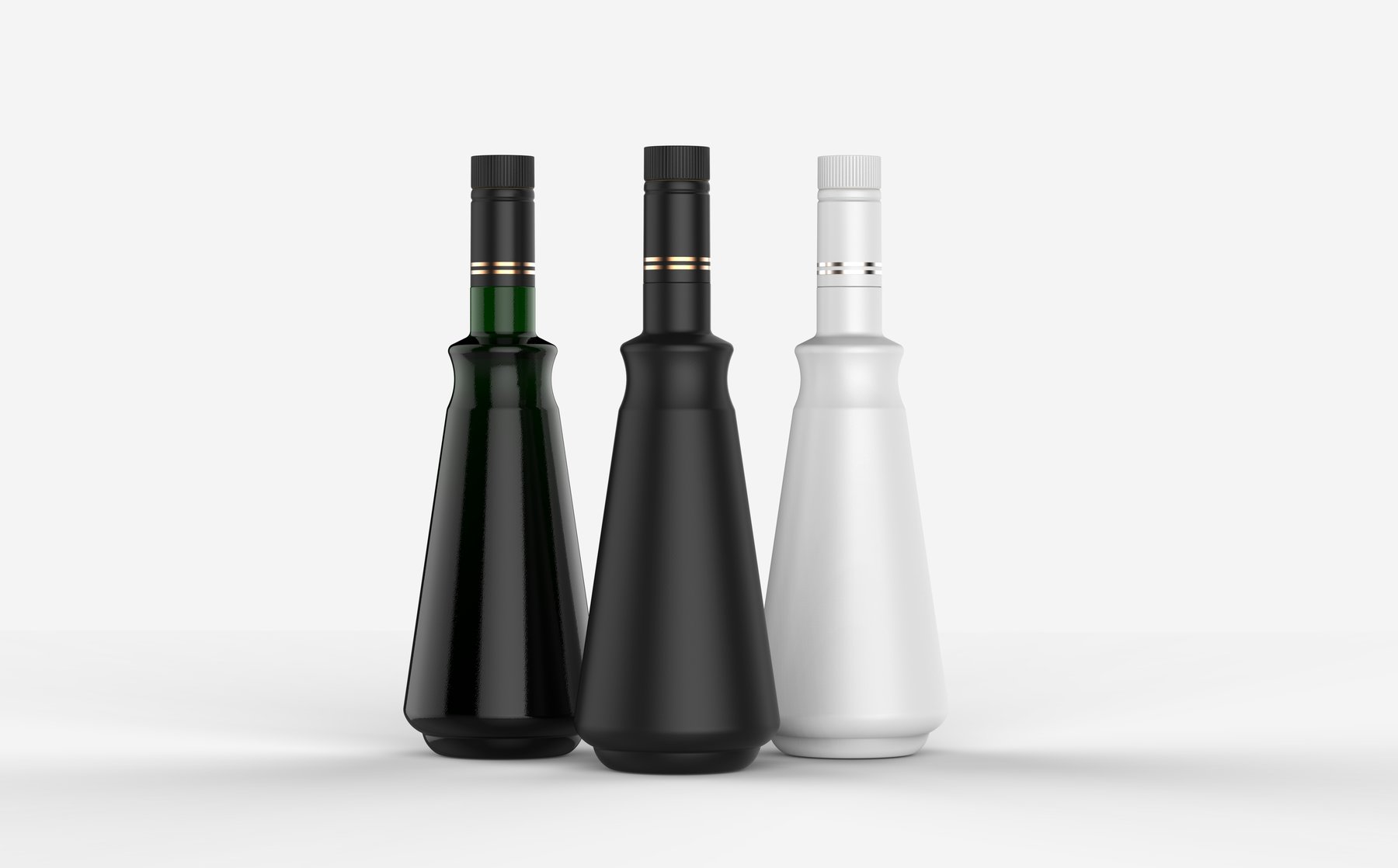
What Was Left of This Set of Proposals?
This set of bottle design proposals brings together the three key points to be discussed regarding the 375-mL flaxseed oil bottle: where to hold it, where to place the label, and how the bottle should be remembered. The three approaches provide specific points of comparison and establish a clear foundation for subsequent discussions.
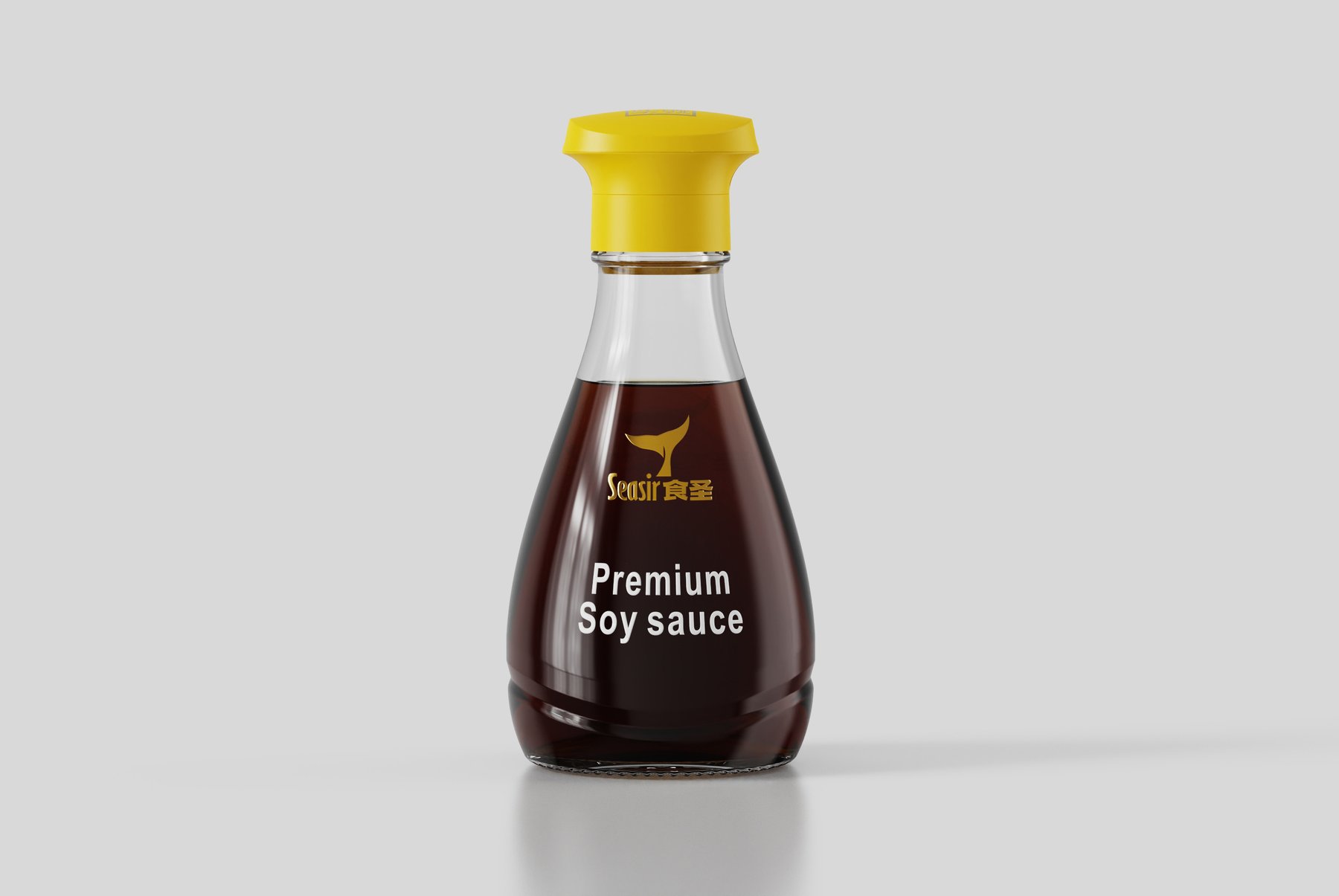
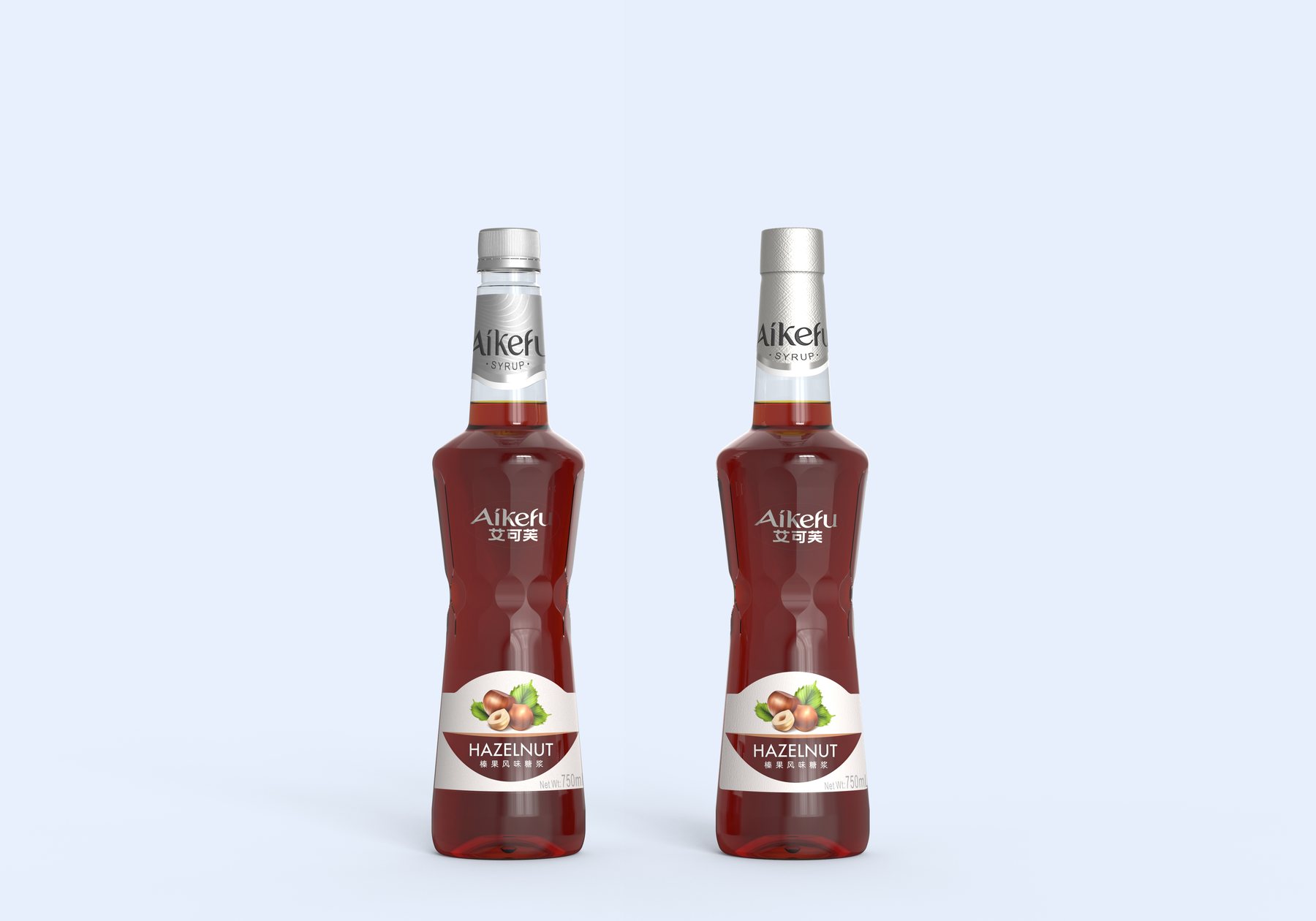
For brands planning to develop small-format edible oil products, it’s more valuable to start by using different bottle shapes to address different questions than to begin directly with a single attractive rendering. To see how other food containers are designed, refer to"Food Sage" Soy Sauce Bottle Proposal和Aikofu Syrup Packaging Case Study. If you'd like to discuss a specific project, please visitMeilin Bottle Design Services, orContact Us。