
In the field of fast-moving consumer goods (FMCG) packaging design for engine lubricants, the processing characteristics of HDPE and PET materials determine the logic behind adapting bottle designs to specific application scenarios. HDPE uses a one-step extrusion-blow molding process: its advantages include high bottle strength and chemical resistance, making it suitable for storing engine oil in high-stress environments; it offers flexible molding capabilities, allowing for the customization of features such as flow guides and handles; and it provides excellent light-blocking properties, protecting the oil’s active ingredients. However, it has lower production efficiency and poor transparency. PET uses a two-step injection-stretch-blow process: its advantages include high production efficiency and a refined, transparent bottle body, making it suitable for the visual presentation of mid- to high-end engine oils; high molding precision, allowing for intricate textures. However, it is less durable than HDPE and requires an inner coating for protection. Professional bottle design firms will precisely match the packaging needs of engine oils with different market positioning based on these two processes.
Gulf POWERTRAC Motorcycle Engine Oil
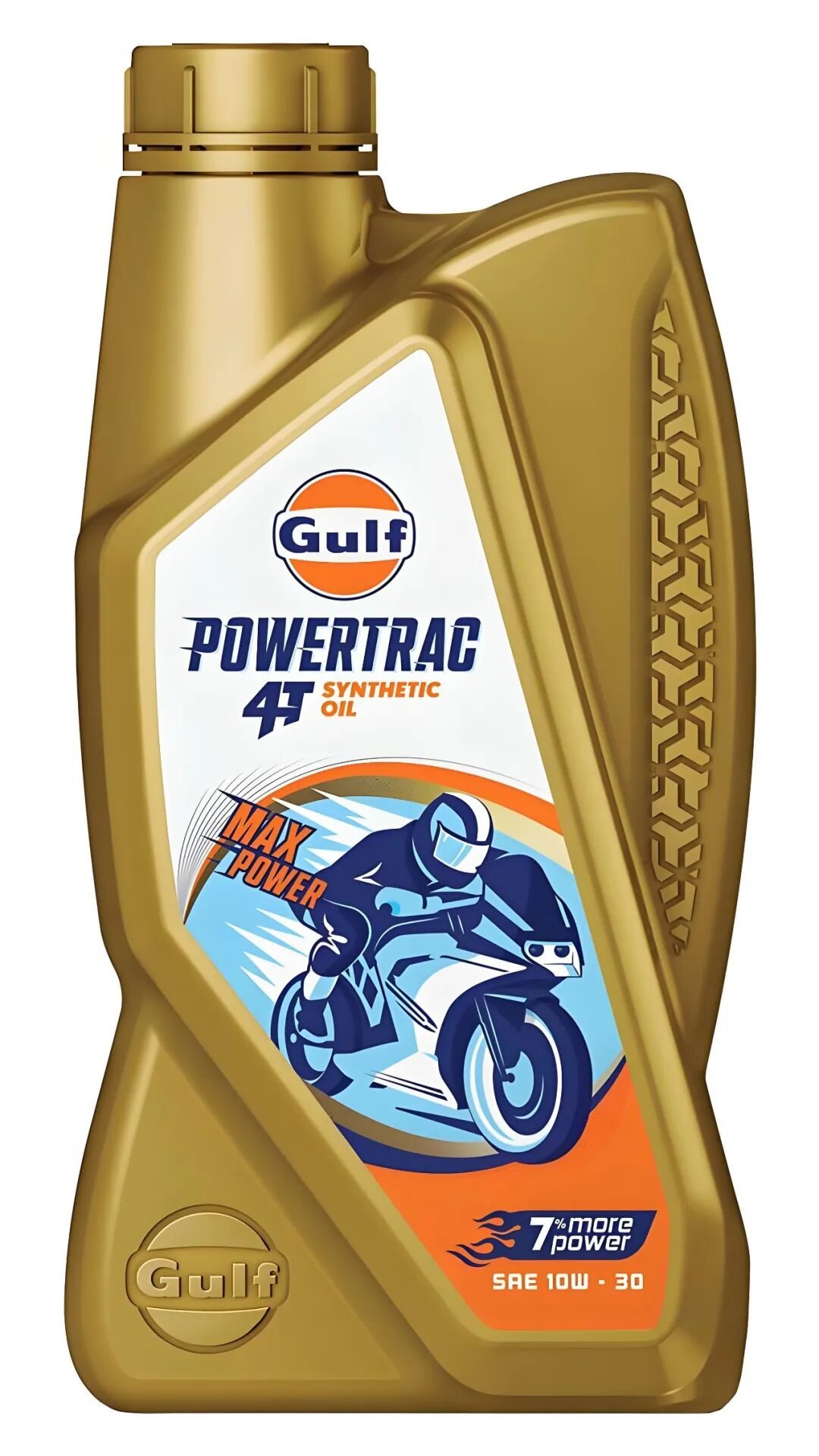
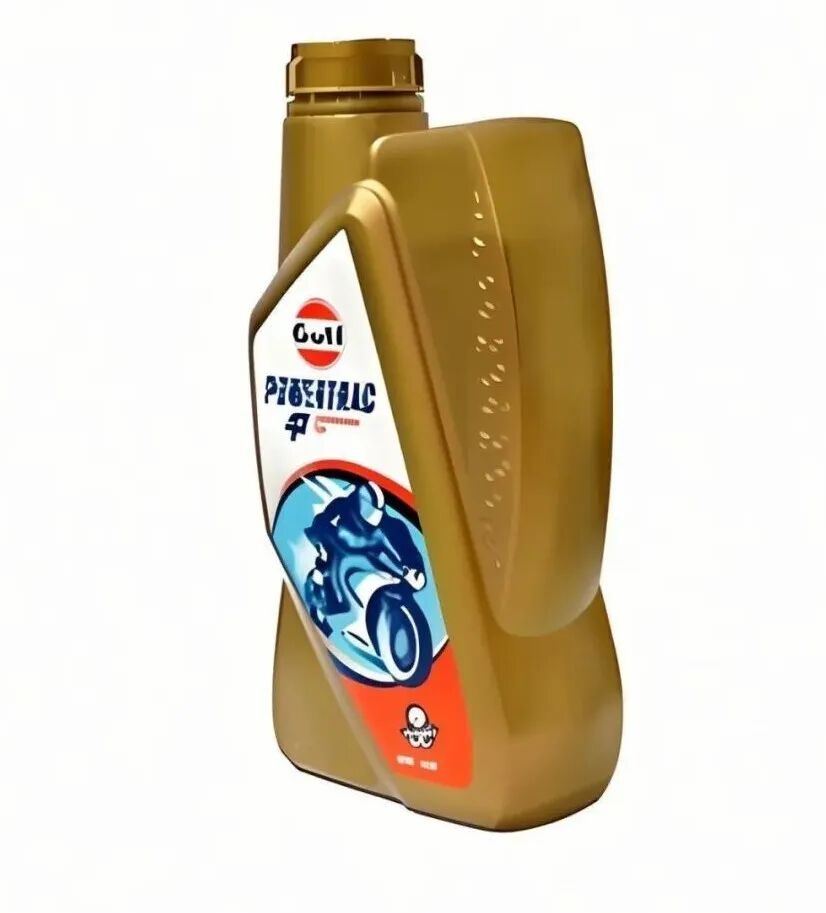
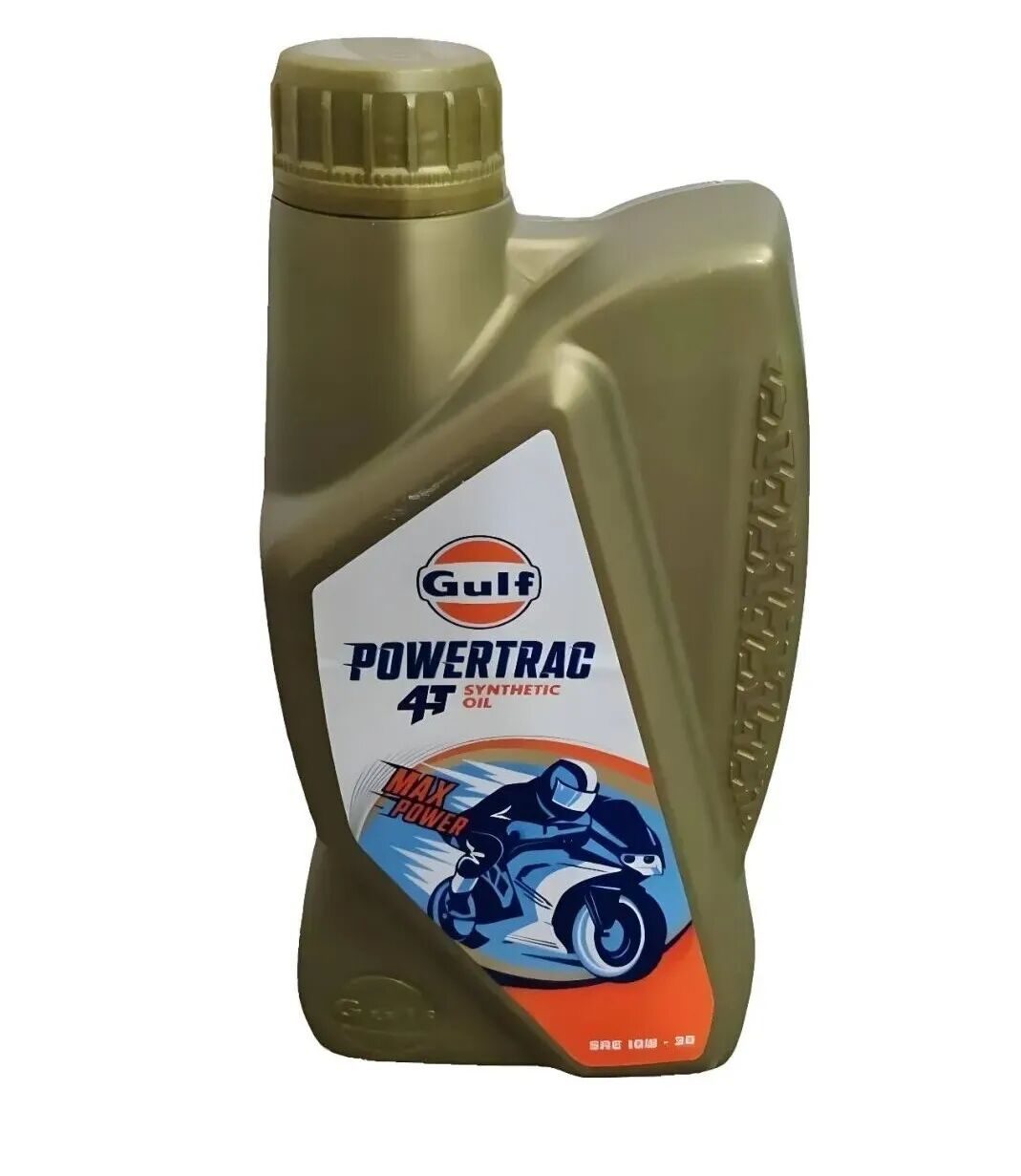
Gulf’s POWERTRAC 4T motor oil features an HDPE bottle design with a faceted, flow-optimized shape produced via a one-step extrusion-blow molding process: the bottle’s faceted edges enhance structural stability, while the non-slip texture improves grip. The gold HDPE bottle, paired with a racing-themed label, conveys a “power-optimized” visual aesthetic. The label highlights the “10W-30 fully synthetic formula,” which contains shear stabilizers and is designed for high-displacement motorcycle engines, improving acceleration response and reducing component wear at high RPMs. The corrosion resistance and light-blocking properties of this manufacturing process provide long-term protection for the active properties of the fully synthetic motor oil, making it an ideal solution for high-load motorcycle operating conditions.
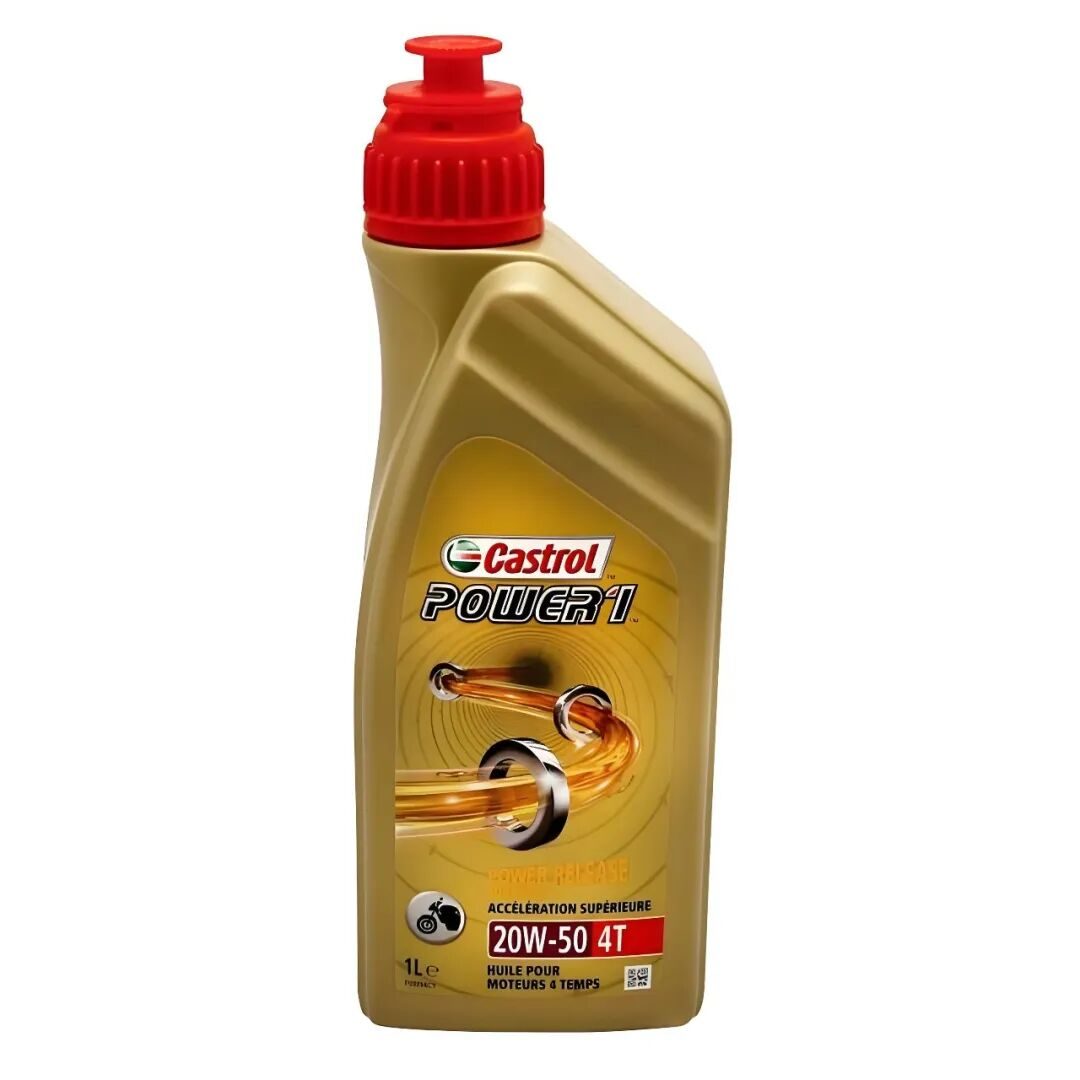
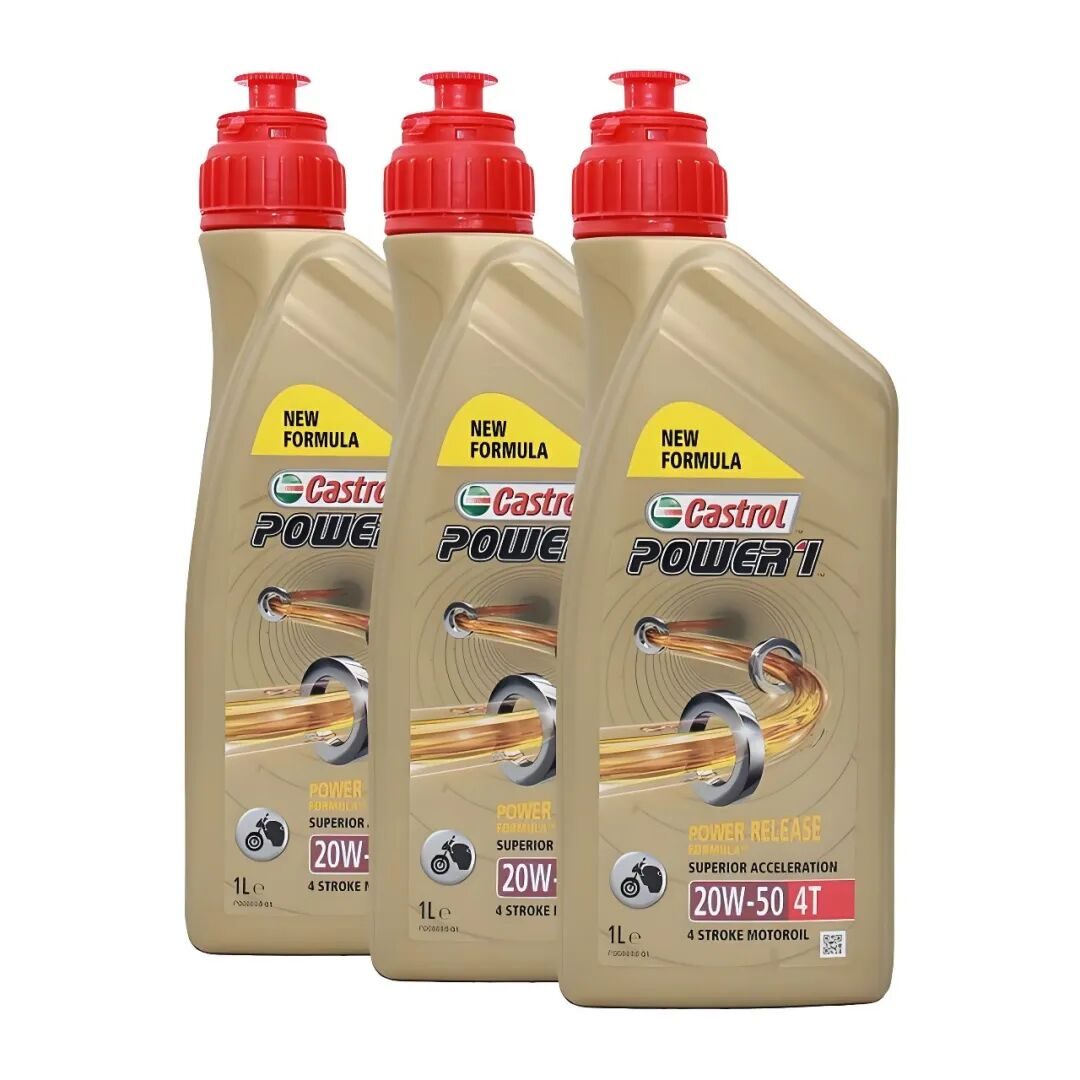
Castrol POWER1 Motorcycle Engine Oil
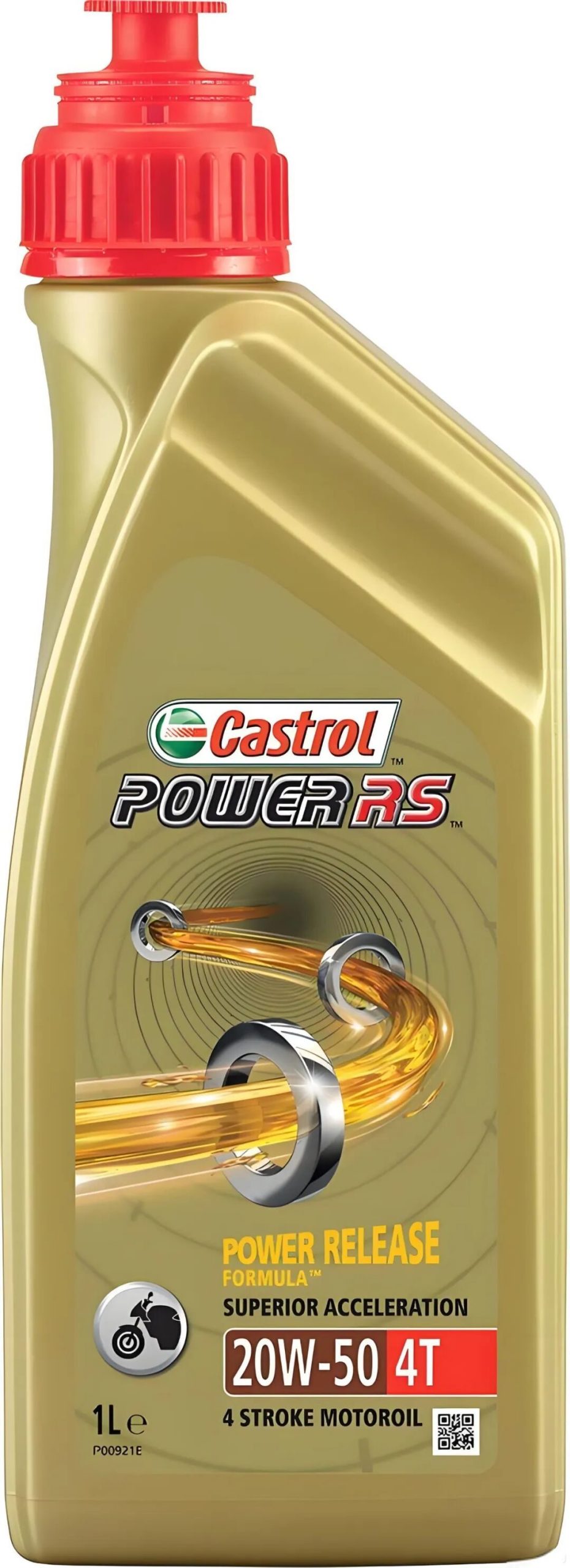
Castrol’s POWER1 motor oil features a PET-based lubricant bottle design, shaped using a two-step injection-stretch-blow molding process to create a streamlined, flow-guiding bottle: an integrated flow channel controls the oil dispensing rate to prevent overfilling. The golden-brown PET bottle, paired with a “fluid circulation” label, conveys a visual aesthetic of “high-efficiency lubrication.” The label highlights the “20W-50 fully synthetic formula,” which contains power-release factors and is designed for high-RPM engines in 4-stroke motorcycles, enhancing acceleration performance and reducing friction-related wear. The high transparency of this design allows for a clear view of the oil’s condition, though direct exposure to strong light should be avoided. It represents a packaging design that harmonizes “elegance and functionality” in the context of motorcycle performance.
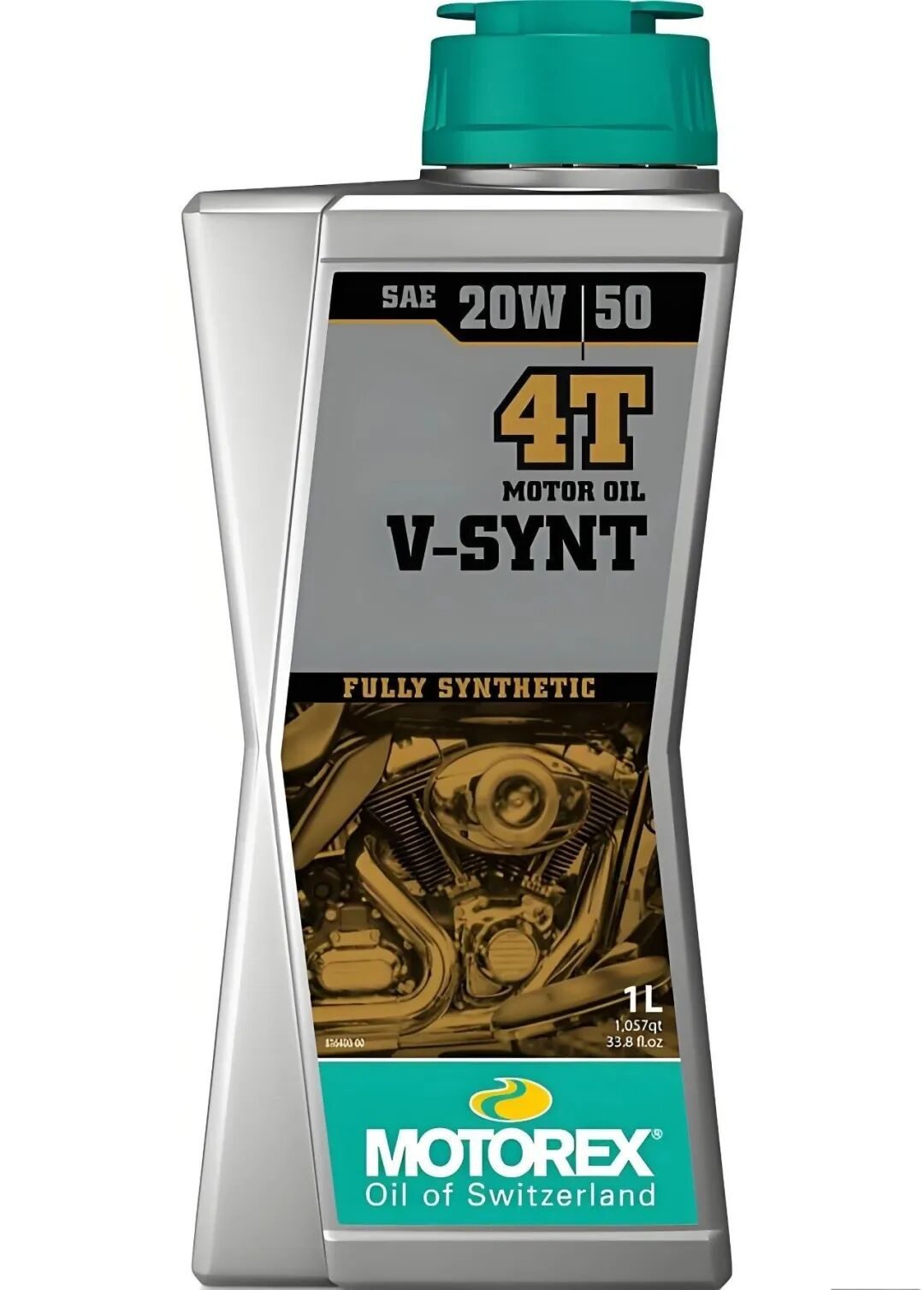
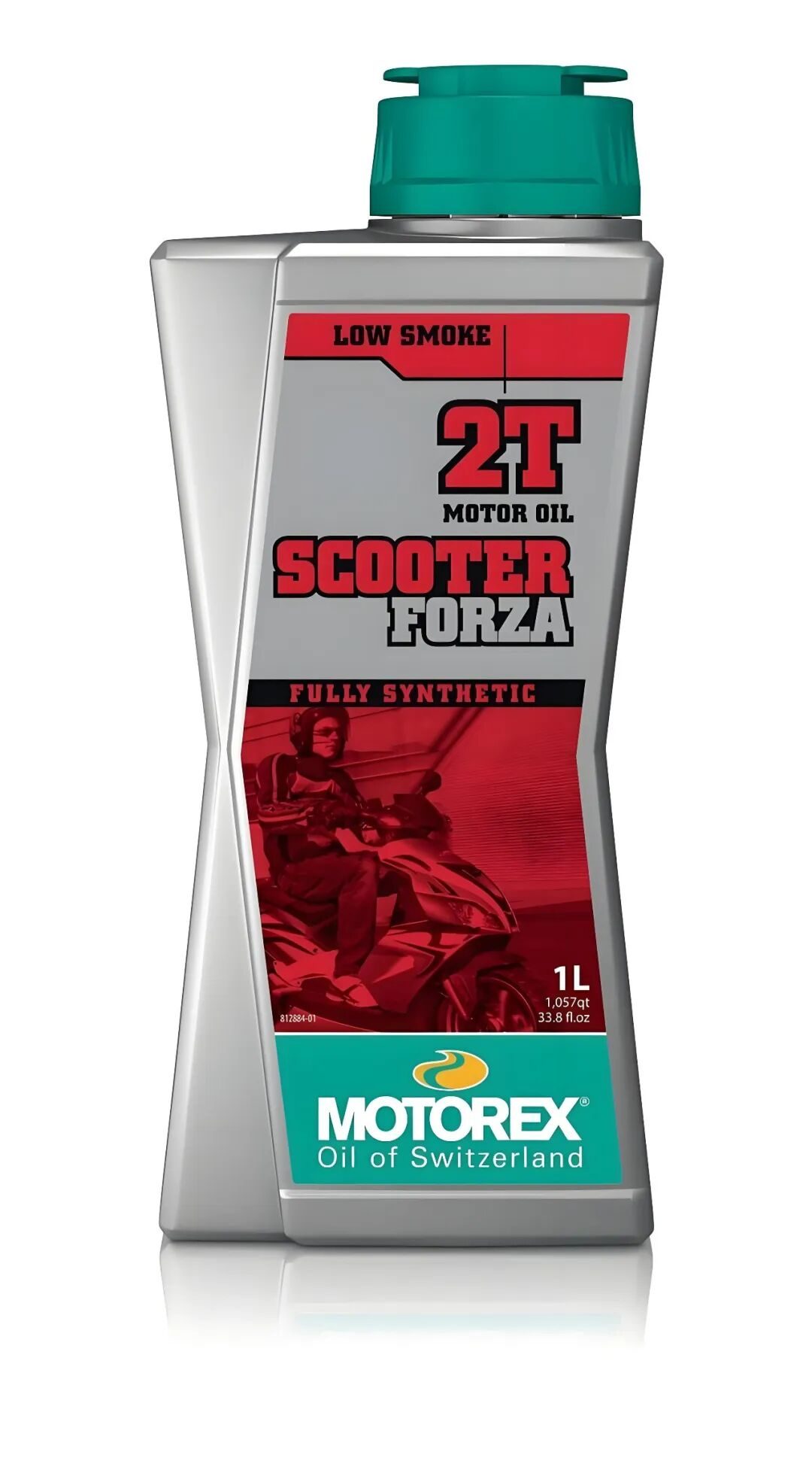
MOTOREX Motorcycle Engine Oil
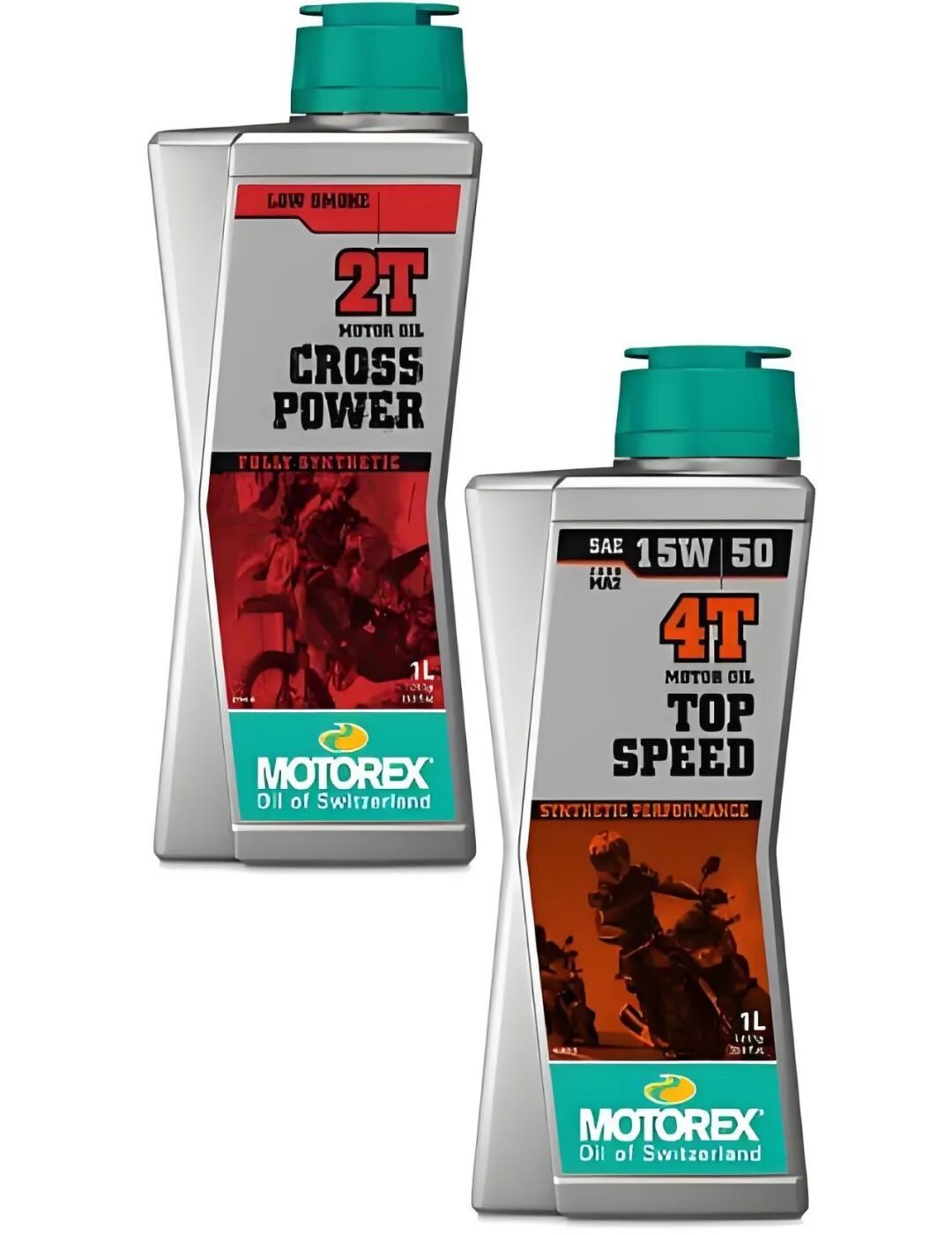
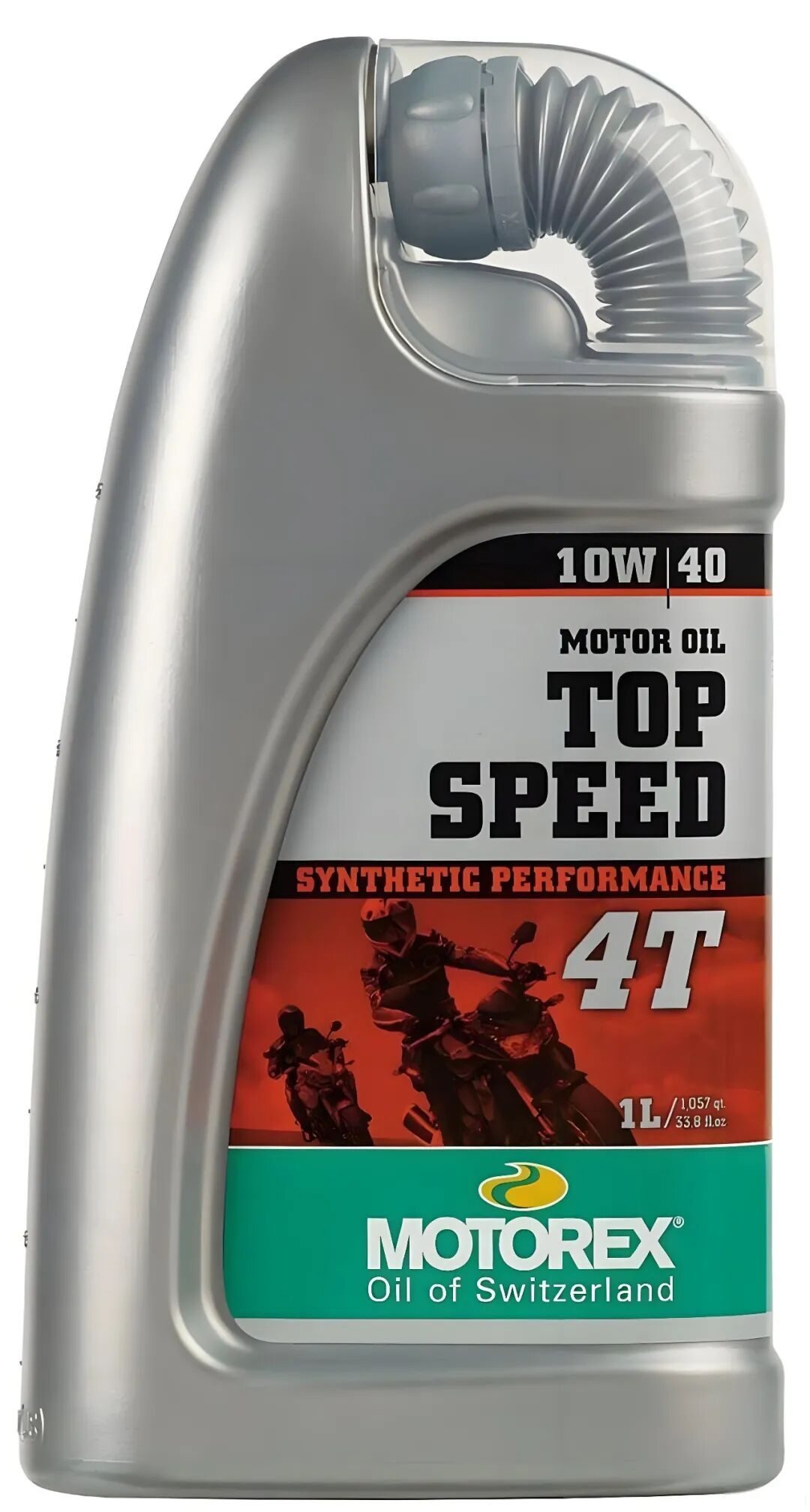
MOTOREX 2T/4T motor oils are packaged in HDPE bottles designed as collapsible pour spout bottles, manufactured using a one-step extrusion-blow molding process: the collapsible pour spout fits into narrow fill ports, making it suitable for the complex operating conditions of motorcycles. The silver HDPE bottles are paired with red or orange-themed labels to distinguish between the 2-stroke (off-road) and 4-stroke (on-road) variants. All labels feature the notation “Fully Synthetic Formula”—the 2-stroke variant contains a low-smoke additive to reduce exhaust smoke in off-road motorcycles; the 4T version contains an anti-aging agent, designed for road motorcycles to enhance stability. The molding flexibility of this process perfectly meets the operational requirements of specific scenarios, representing a precise solution from the bottle design company tailored for multiple applications.
MOTOREX CROSS POWER Motorcycle Engine Oil
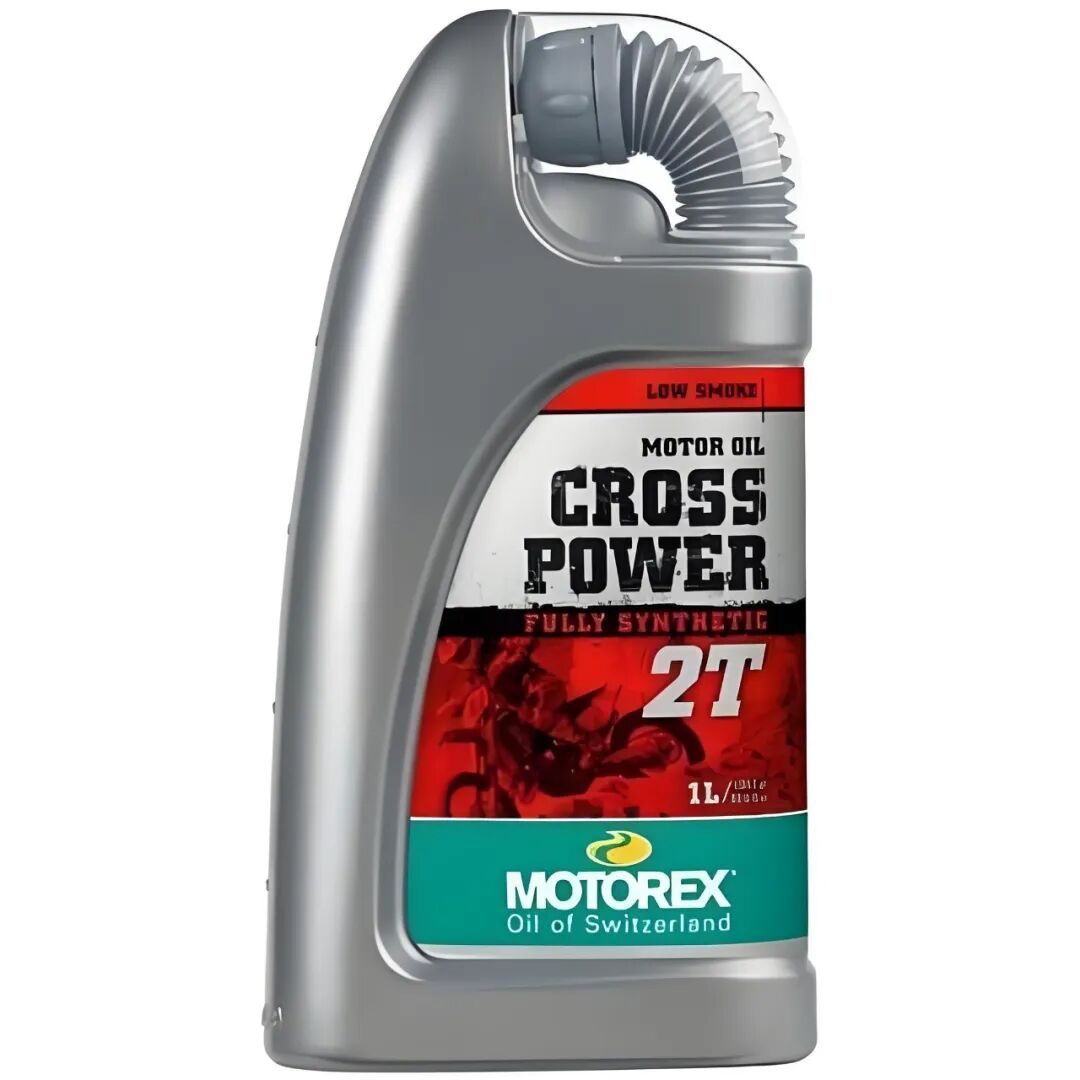
MOTOREX’s CROSS POWER motor oil features an HDPE bottle design, specifically a telescoping pour-spout bottle manufactured using a one-step extrusion-blow molding process: the telescoping pour spout is designed to fit the narrow fill ports of off-road motorcycles, making it easier to use. The silver HDPE bottle, paired with a “LOW SMOKE” label, conveys a visual aesthetic of “extreme adaptability.” The label highlights the “2-stroke fully synthetic formula,” The formulation contains anti-wear and anti-corrosion agents, making it suitable for off-road 2-stroke motorcycle engines; it reduces component wear under harsh operating conditions and lowers exhaust smoke emissions. The impact resistance of this design makes it well-suited for the complex environments of off-road riding, providing a practical packaging solution for extreme conditions.
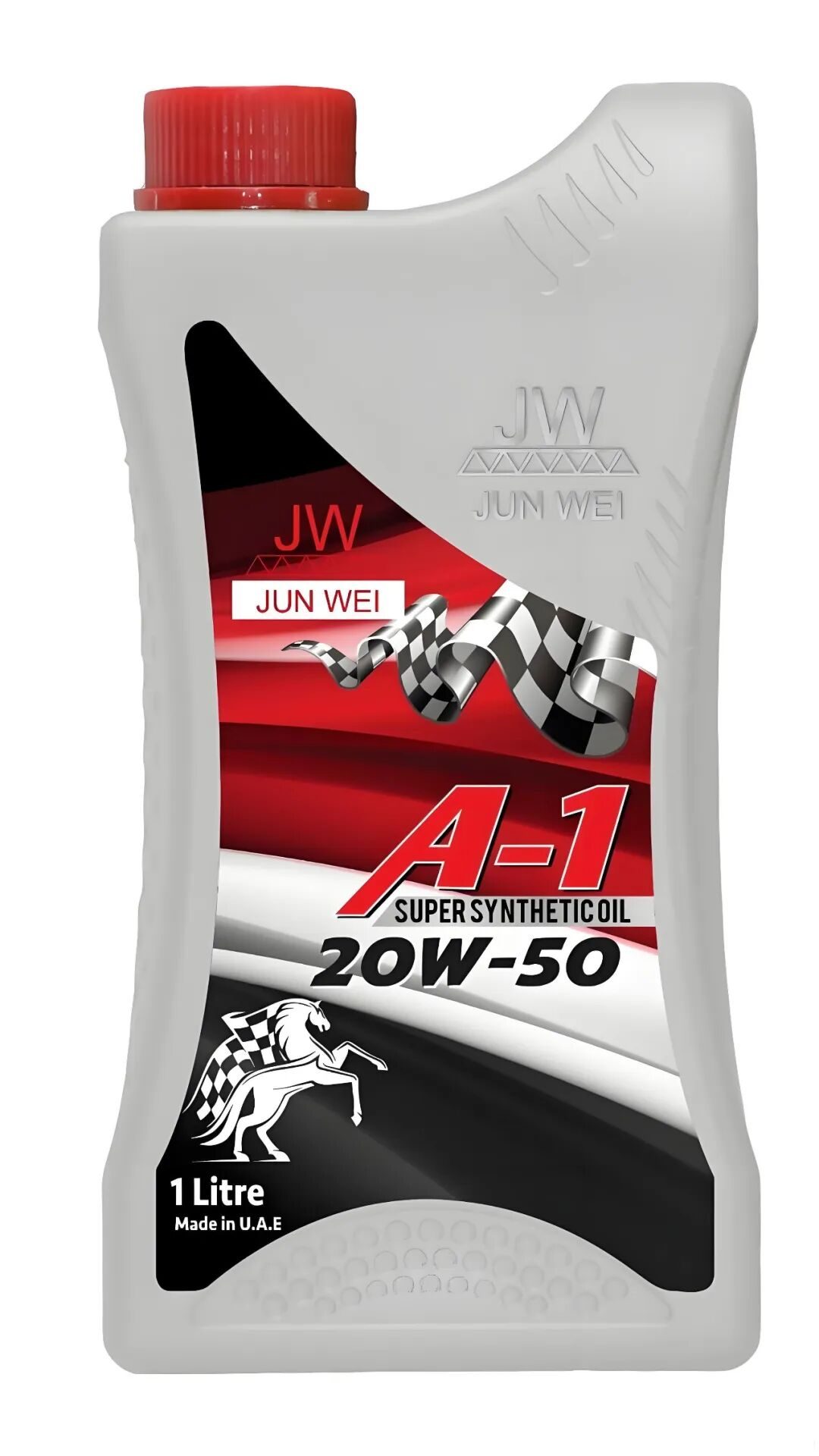
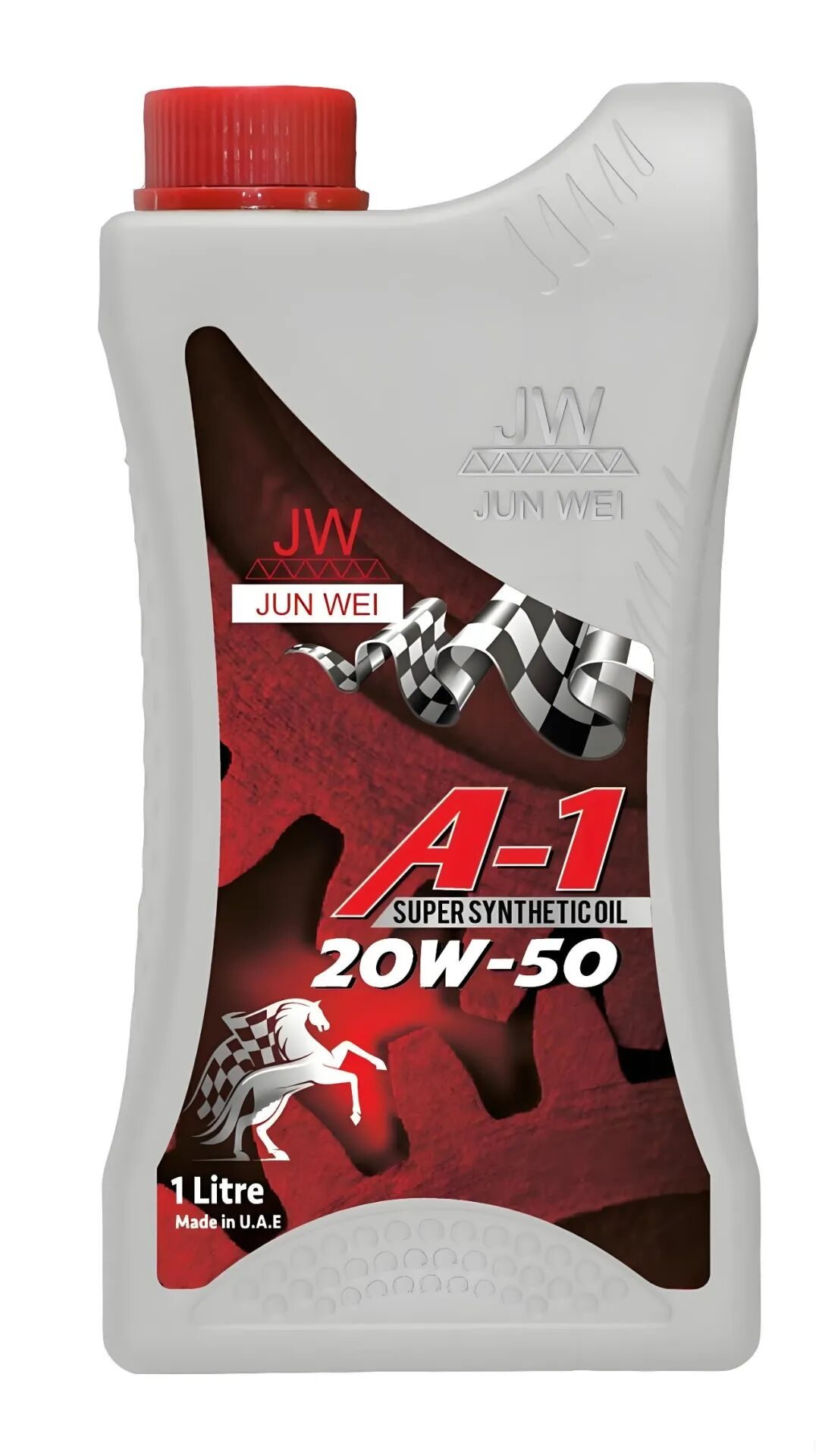
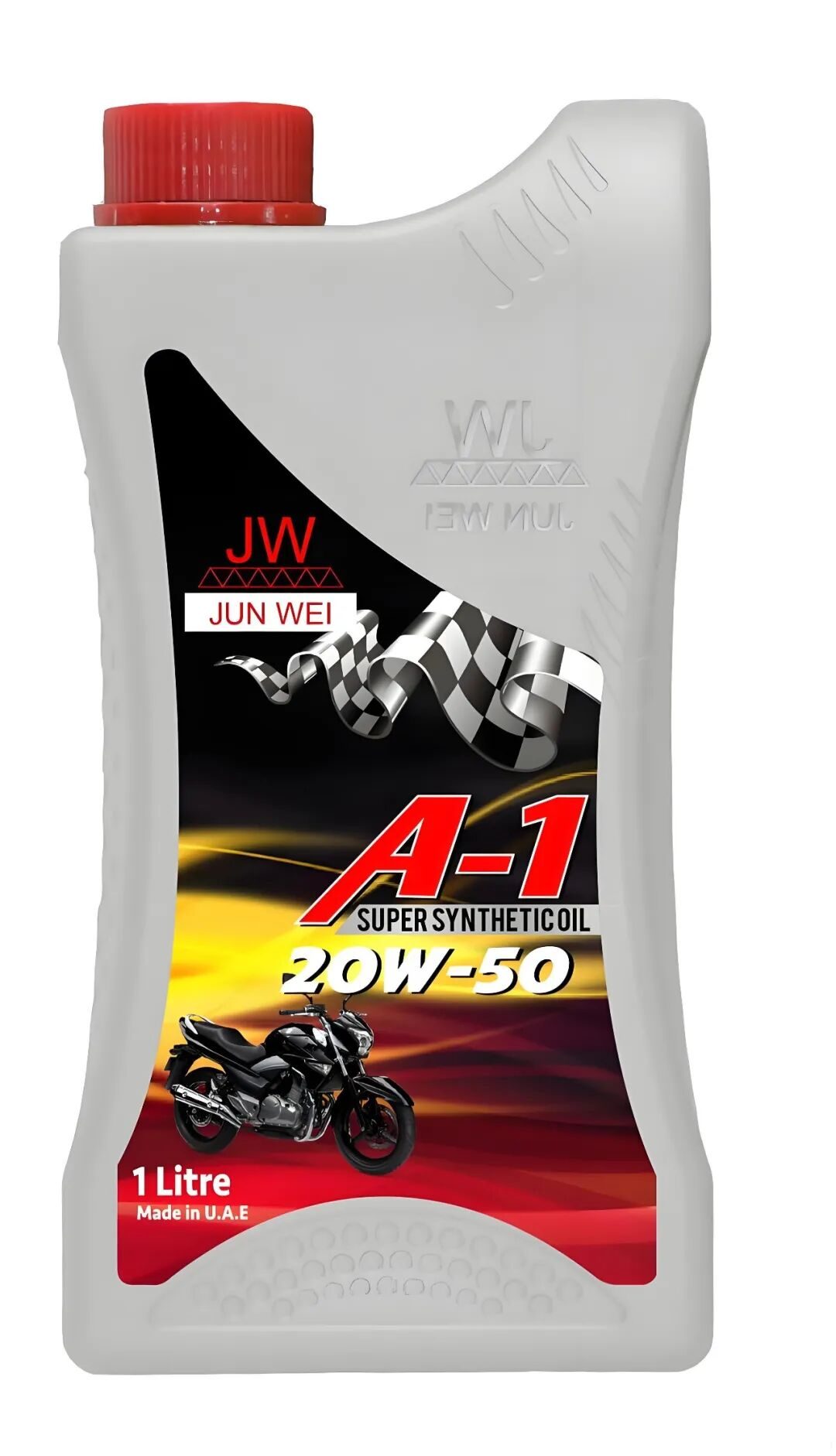
JUN WEI A-1 Universal Motor Oil for Cars and Motorcycles
JUN WEI’s A-1 motor oil features an HDPE lubricant bottle designed using a one-step extrusion-blow molding process to create a uniquely shaped bottle with a flow-control spout: the integrated spout ensures precise dispensing and prevents spills; the bottle features a non-slip texture for a more stable one-handed grip. The gray-white HDPE bottle, paired with a red-and-black racing-style label, conveys a “high-performance” visual aesthetic. The label highlights the “20W-50 fully synthetic formula,” which contains extreme-pressure anti-wear additives. Suitable for high-performance car and motorcycle engines, it enhances component lubrication under heavy-duty conditions, reducing wear and carbon buildup. Although this manufacturing process has low production efficiency, its corrosion resistance makes it suitable for long-term storage, making it a “practical-first” packaging solution for high-load applications.
From the practical durability of the one-step HDPE extrusion-blow molding process to the refined fit of the two-step PET injection-stretch-blow molding process, the choice of manufacturing processes for lubricant bottle packaging design is always anchored in the usage scenarios and functional attributes of engine oil. These solutions not only optimize the user experience through bottle design but also convey product value through labeling, serving as a prime example of the synergy between FMCG packaging design and product functionality.