
In the field of fast-moving consumer goods (FMCG) packaging design, HDPE is the primary material used for large-capacity cooking oil containers. As a professional bottle design firm, the Meilin Design Team has developed a layout solution that is deeply optimized for the HDPE one-step extrusion-blow molding process. This process offers significant advantages: the bottles feature high strength and excellent impact resistance, making them well-suited for the handling and storage of large-volume packaging; the molding process is flexible, allowing for diverse structural designs such as textures and curved surfaces; and its heat resistance is slightly superior to that of PET, making it better suited for high-temperature kitchen environments. However, there are limitations: production efficiency is lower than that of the injection-stretch-blow process, and costs are slightly higher; transparency is relatively poor, so bottles are typically opaque or translucent. Based on these process characteristics, HDPE is typically used for large-capacity household oil products (such as soybean oil and canola oil) and oils that require protection from light (such as perilla oil and sesame oil), aligning with the market positioning of mainstream oils as “high-frequency consumption items with strong durability.”
Qiyun Mountain Camellia Oil
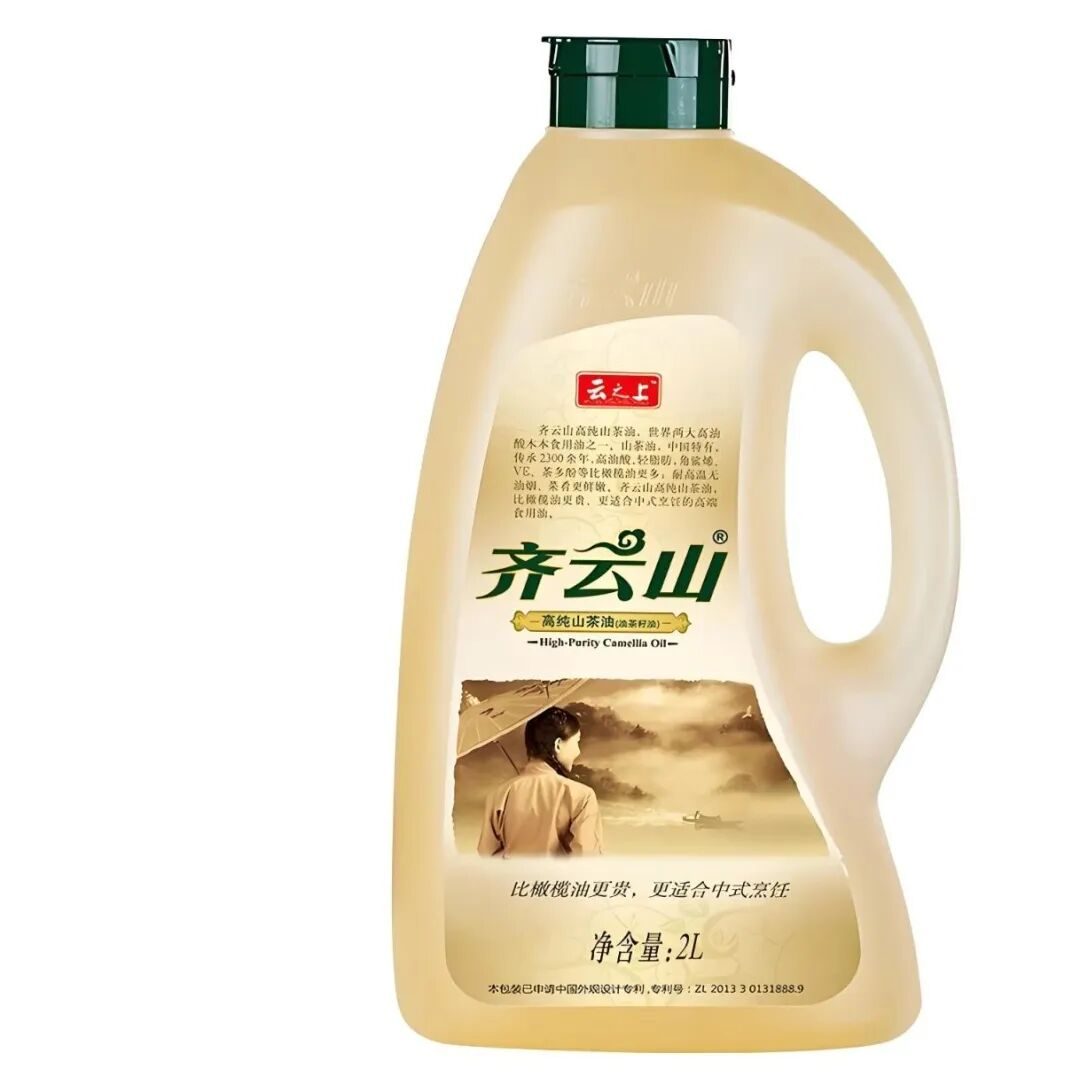
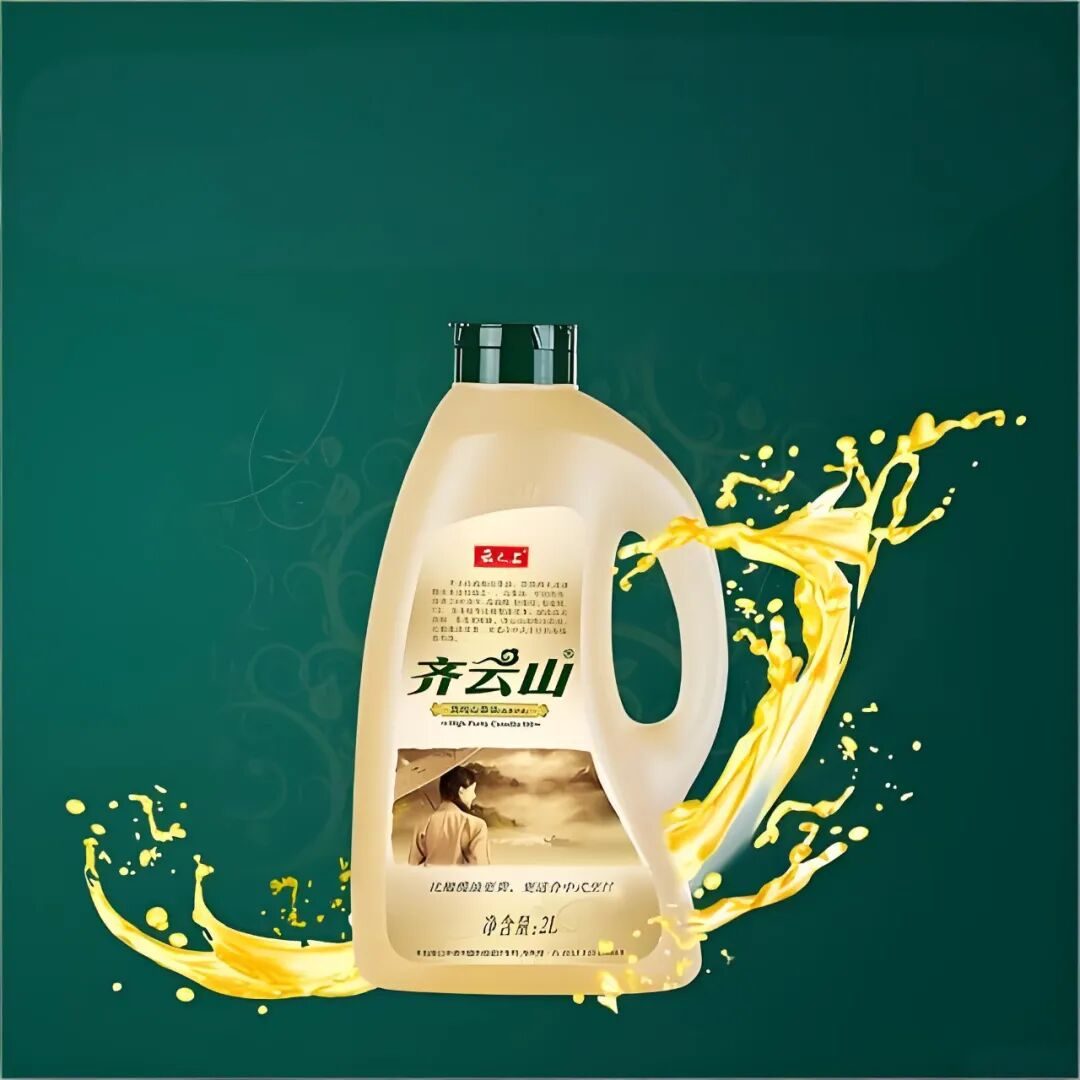
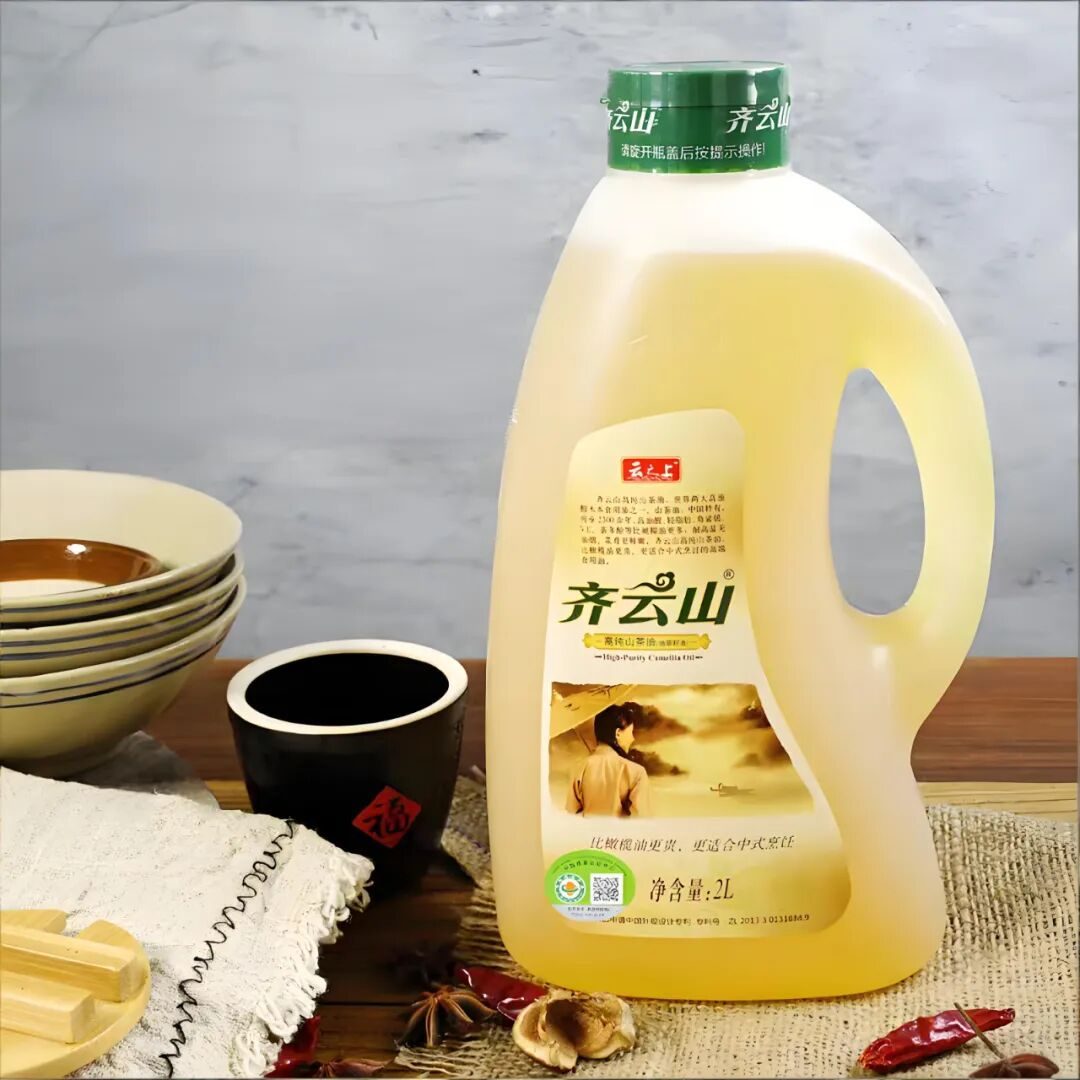
The Qiyunshan brand’s camellia oil features an HDPE-based packaging design for edible oils. The bottle features a curved, one-piece handle: the handle’s curvature conforms to the natural curve of the palm, allowing for one-handed handling of the 2L container; the curved surface of the bottle enhances slip resistance, ensuring a stable grip even in greasy kitchen environments. The label features traditional Chinese landscape and figure art as its core visual elements, with a striking red brand logo that stands out prominently, clearly conveying the selling point “lighter than olive oil.” This not only aligns with camellia oil’s role in Chinese cuisine but also creates a distinctive, memorable presence on store shelves, embodying the “synergy of practicality and culture” in HDPE packaging design.
Mr. GOLD Sunflower Seed Oil
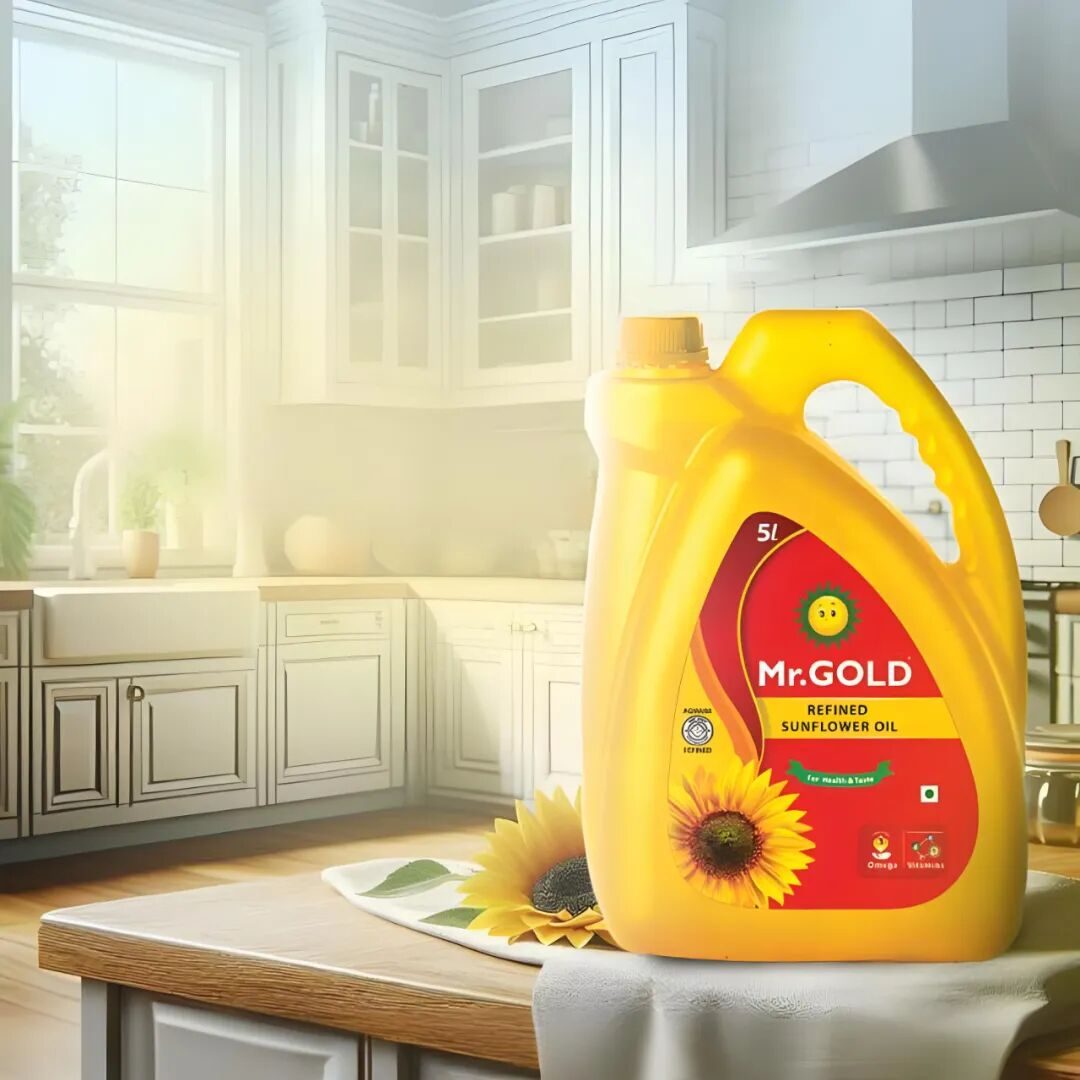
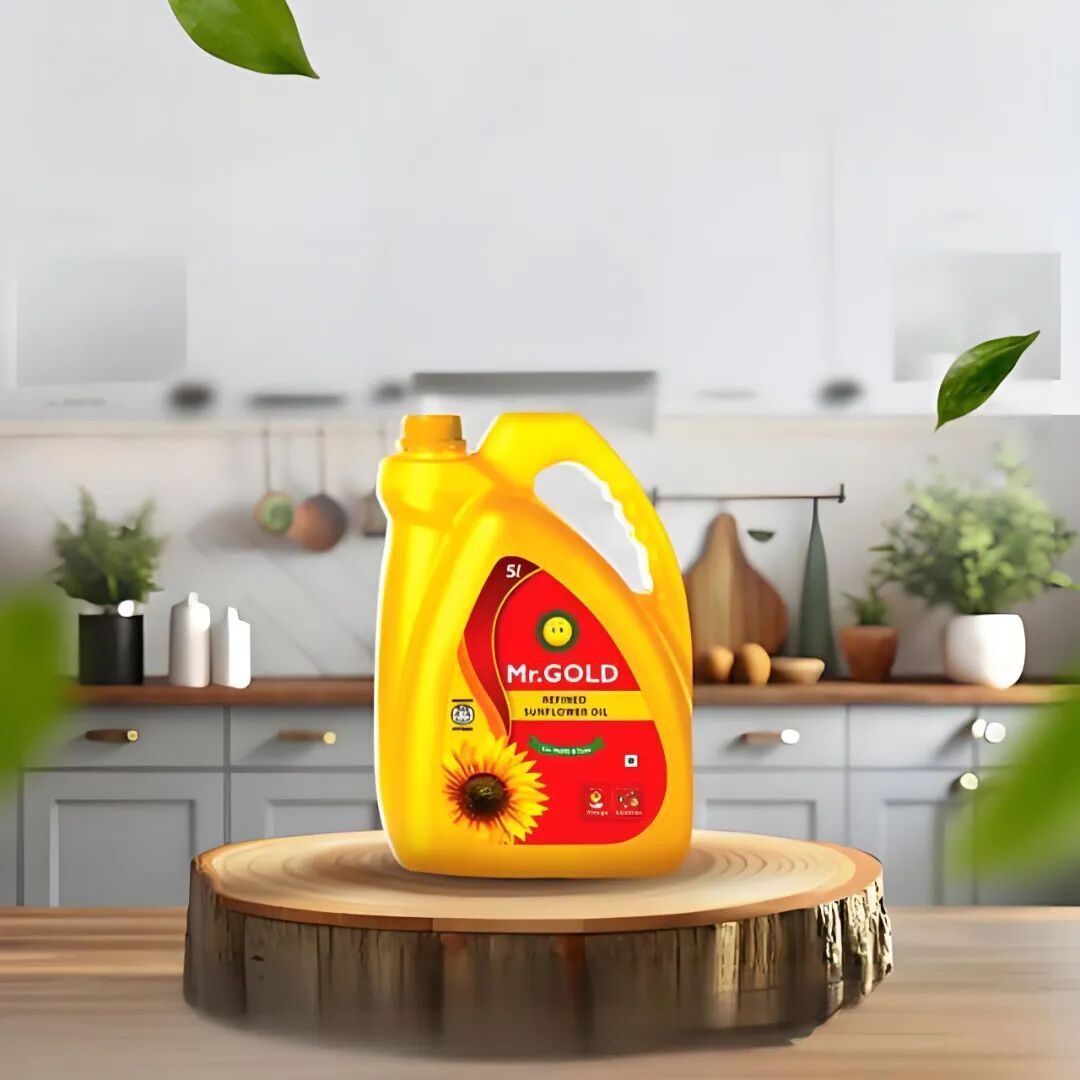
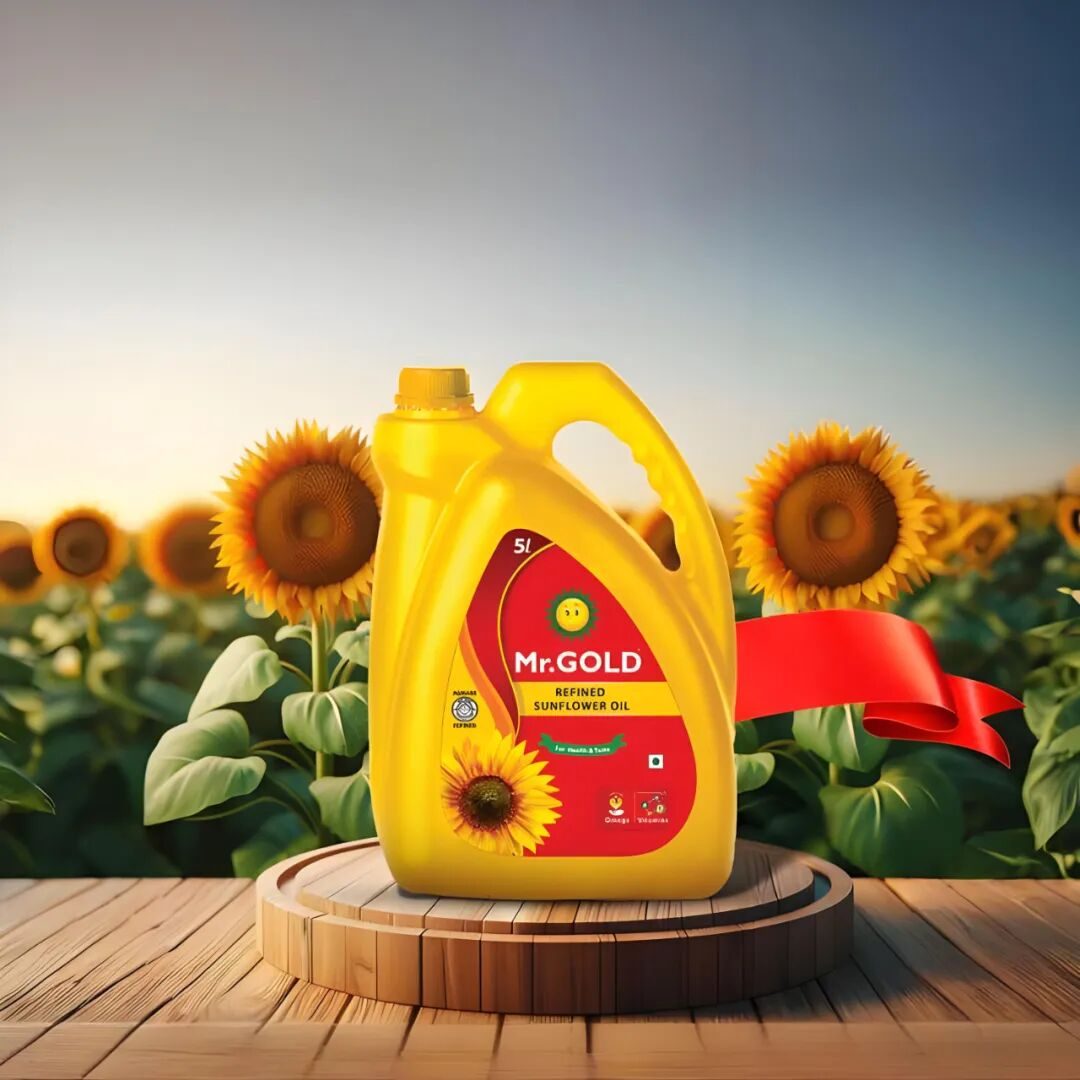
Mr.GOLD’s refined sunflower seed oil features an HDPE food-grade packaging design. The bottle features a streamlined handle design: the handle blends seamlessly with the bottle body for a more comfortable grip; The curved design of the 5L high-capacity bottle not only improves pouring smoothness but also enhances slip resistance. The label features a real-life photograph of a sunflower as its central visual element. The yellow, translucent bottle echoes the natural color of the raw material, while the red background quickly catches the eye on store shelves, making the key selling points stand out prominently. This HDPE packaging design by the bottle design company successfully balances practicality and visual appeal.
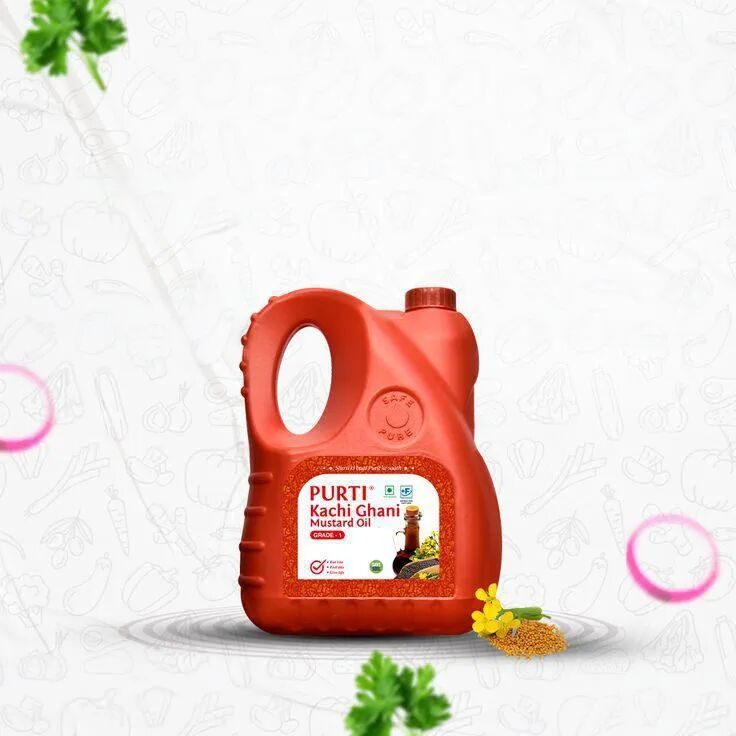
PURTI Small-Batch Sesame Oil
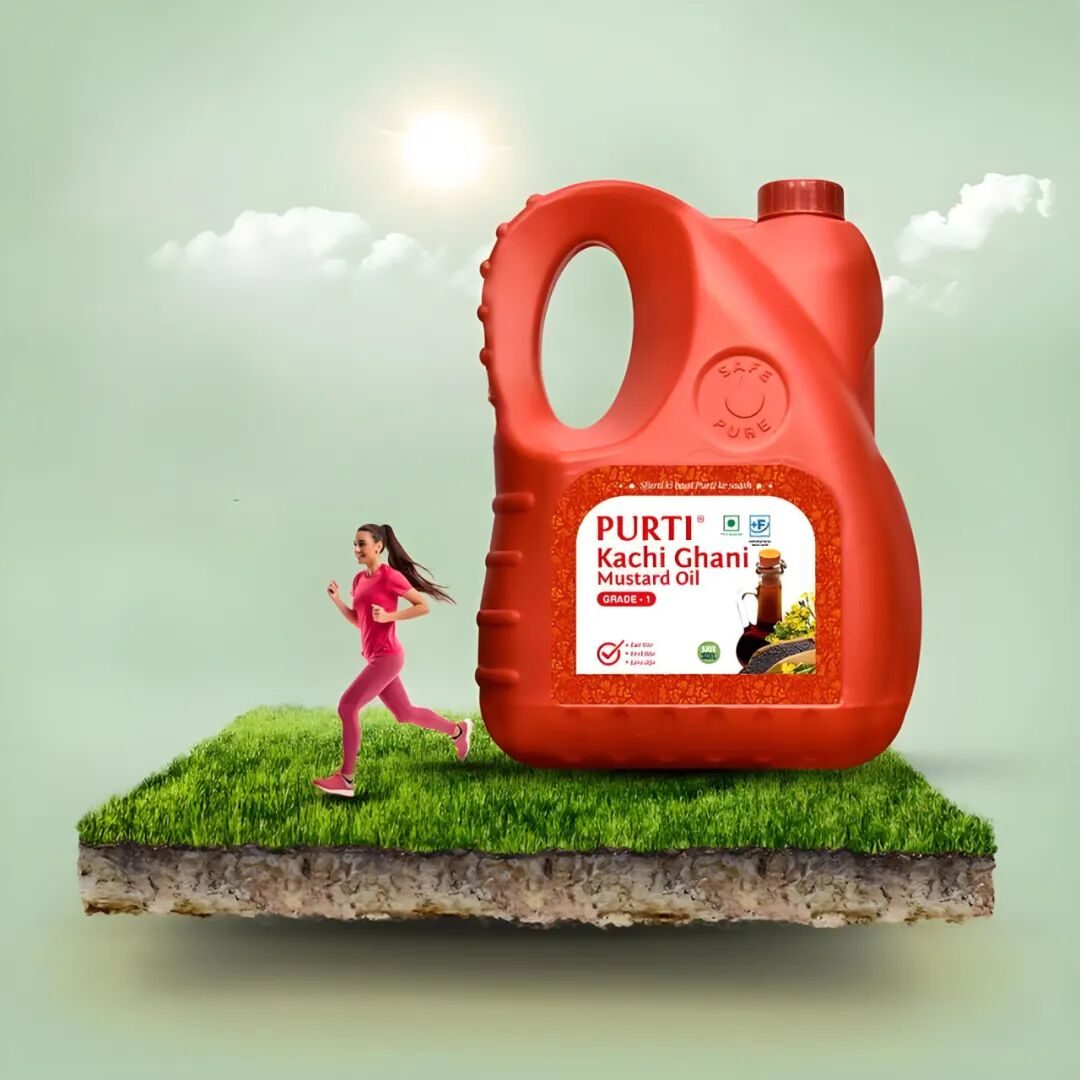
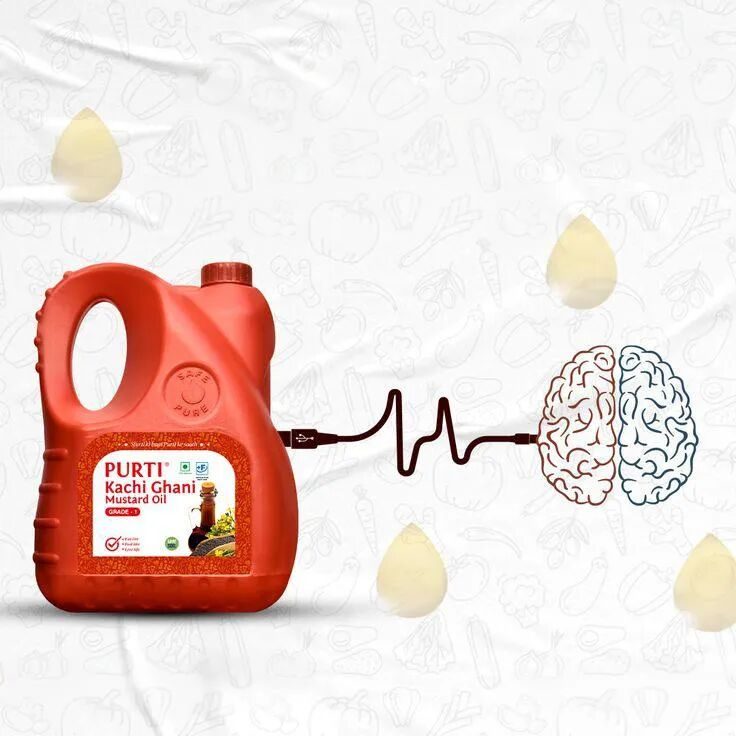
PURTI’s small-batch sesame oil features an HDPE food-grade oil bottle design. The bottle features a wide handle and a non-slip textured surface: the wider handle reduces the strain of carrying the large-capacity bottle, while the non-slip texture on the exterior addresses the common issue of unstable grip when hands are greasy in the kitchen. The label centers on traditional craftsmanship elements as its visual core. The red, opaque bottle meets the light-blocking requirements for sesame oil, and the “Kachi Ghani” craftsmanship selling point is clearly conveyed—an embodiment of “aligning material properties with product needs” in HDPE packaging design.
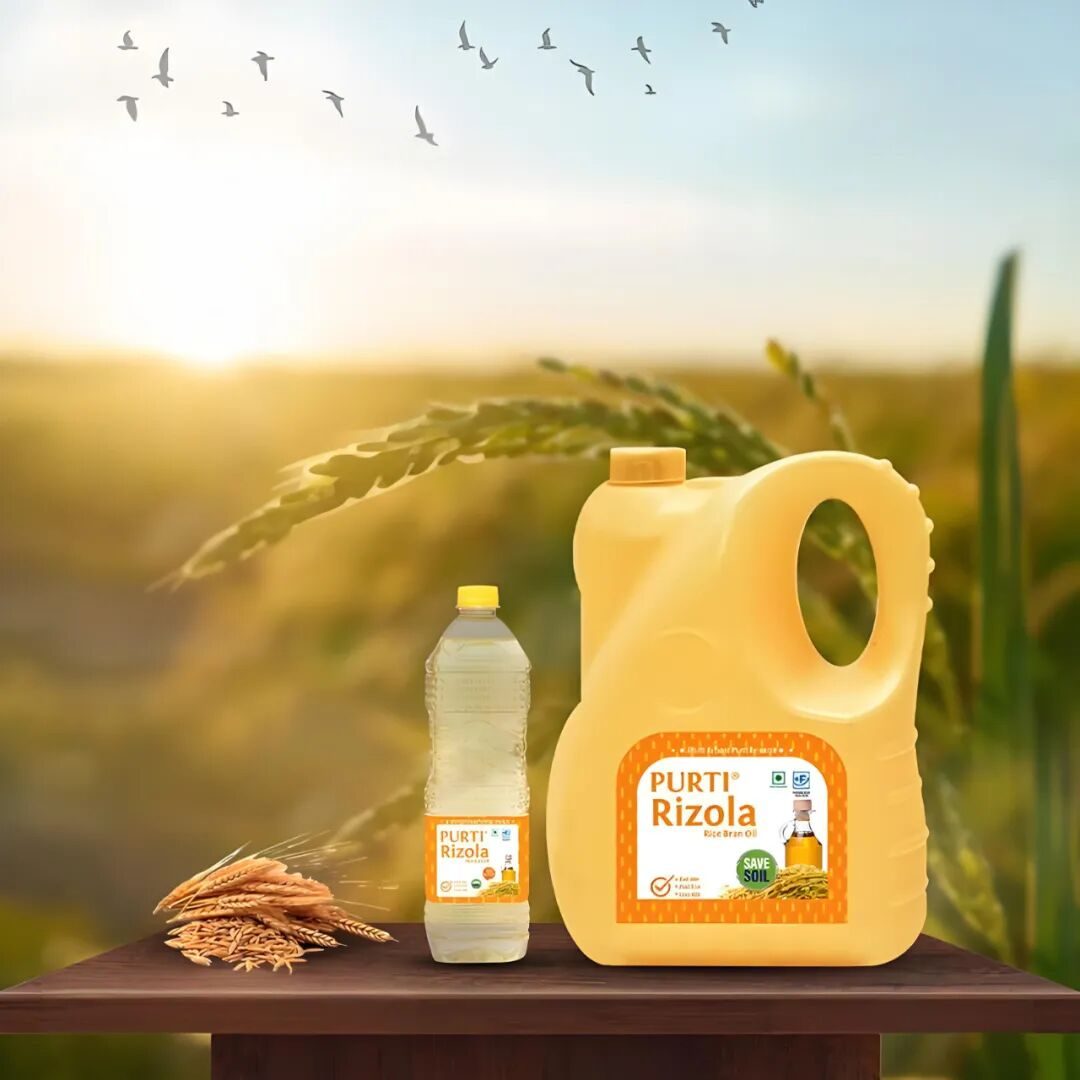
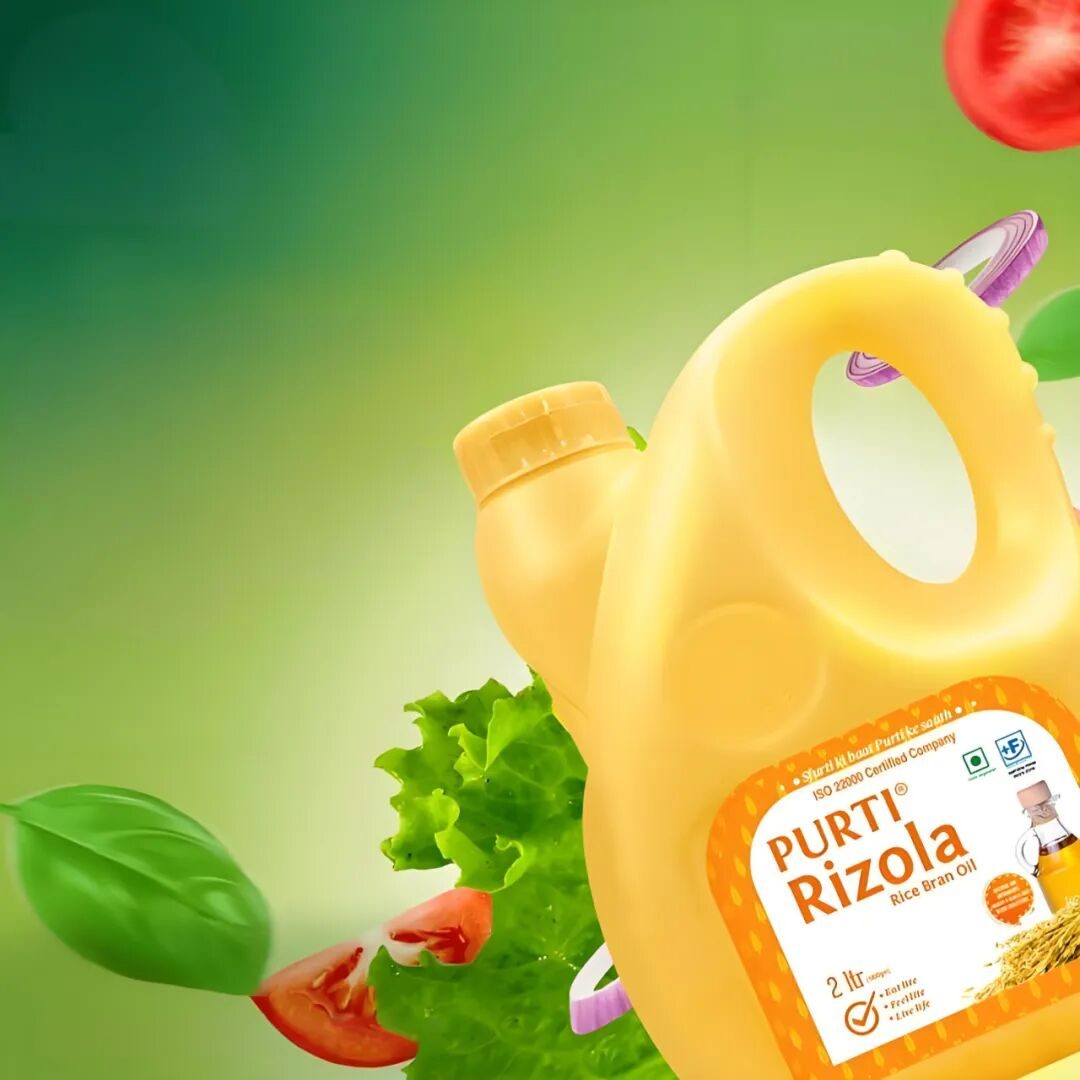
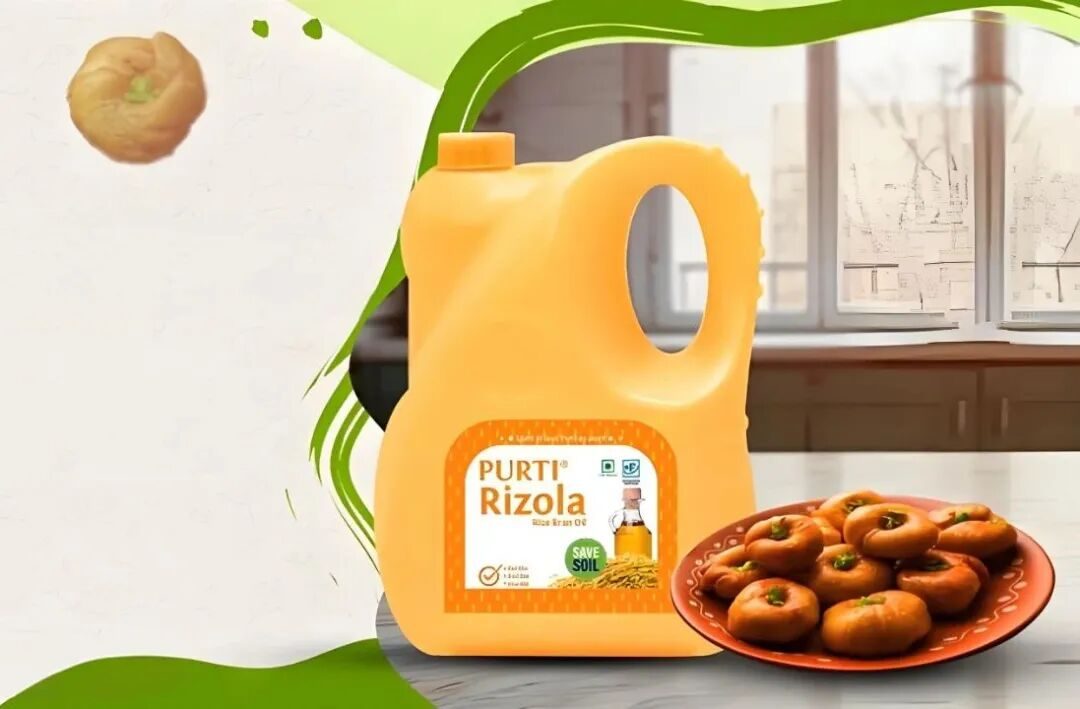
PURTI Rizola Rice Bran Oil
The PURTI brand’s Rizola rice bran oil features an HDPE-based edible oil packaging design. The bottle styles include a large-capacity version with a handle and a small-capacity bottle: the wide handle on the large-capacity version is designed for easy transport in the home, while the small bottle is tailored for portability; the curved surface of the bottle enhances grip comfort. The label features grain motifs as its central visual element, while the yellow, translucent bottle body echoes the color of the rice bran oil. The series-specific labeling clearly distinguishes between products, making the packaging suitable for both household storage and small-portion needs—a scenario-based extension of the HDPE packaging design.
Crisco Canola Oil
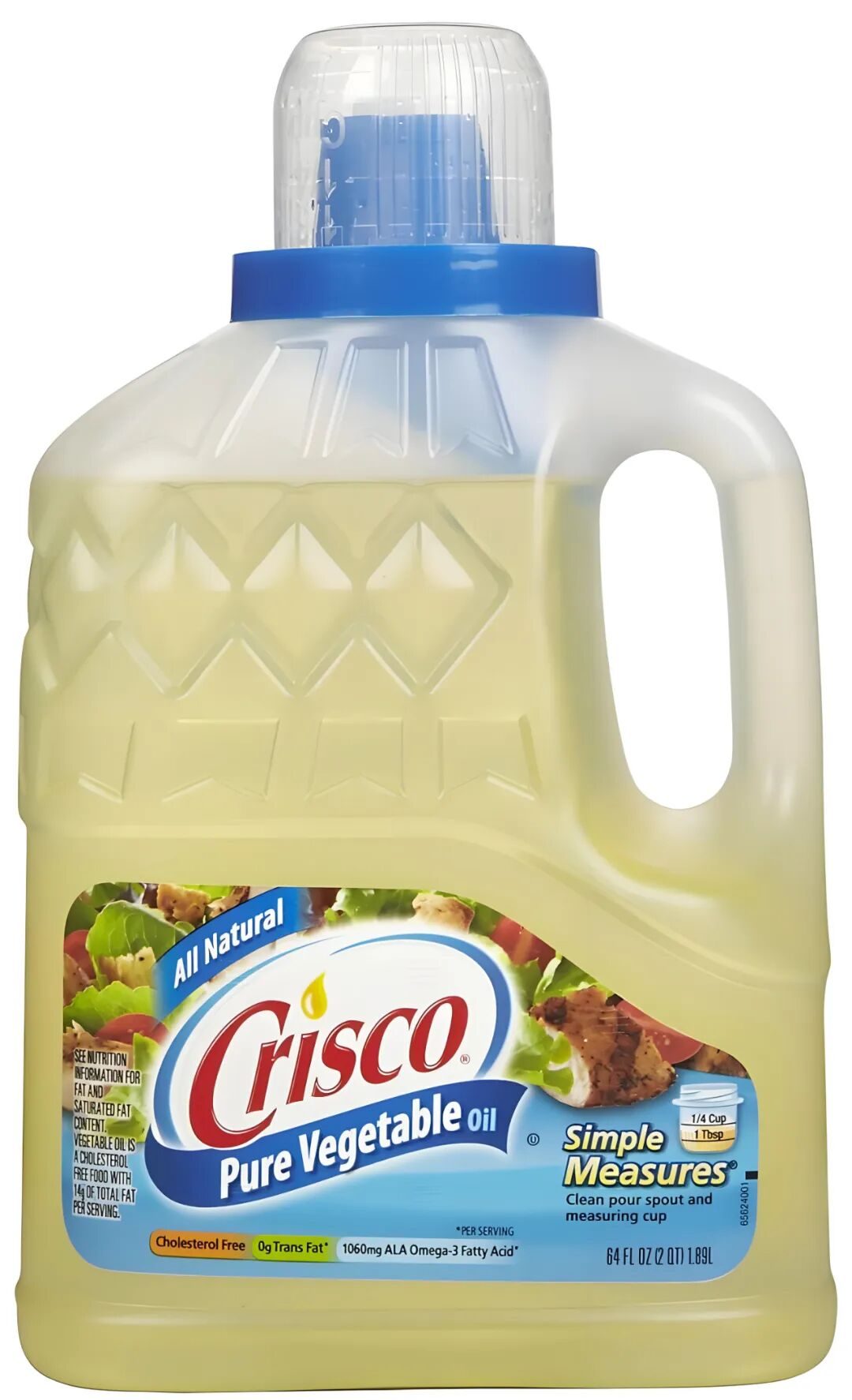
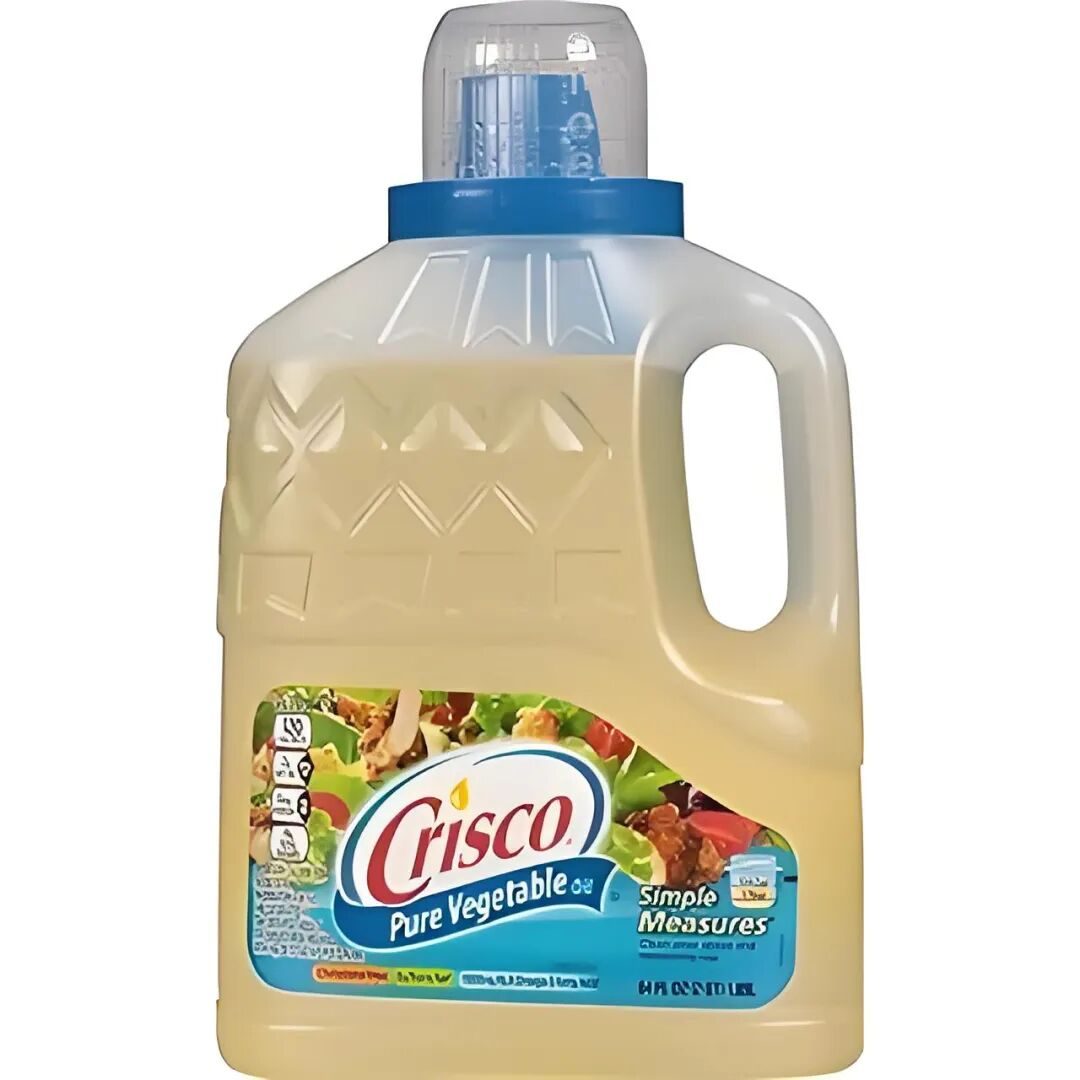
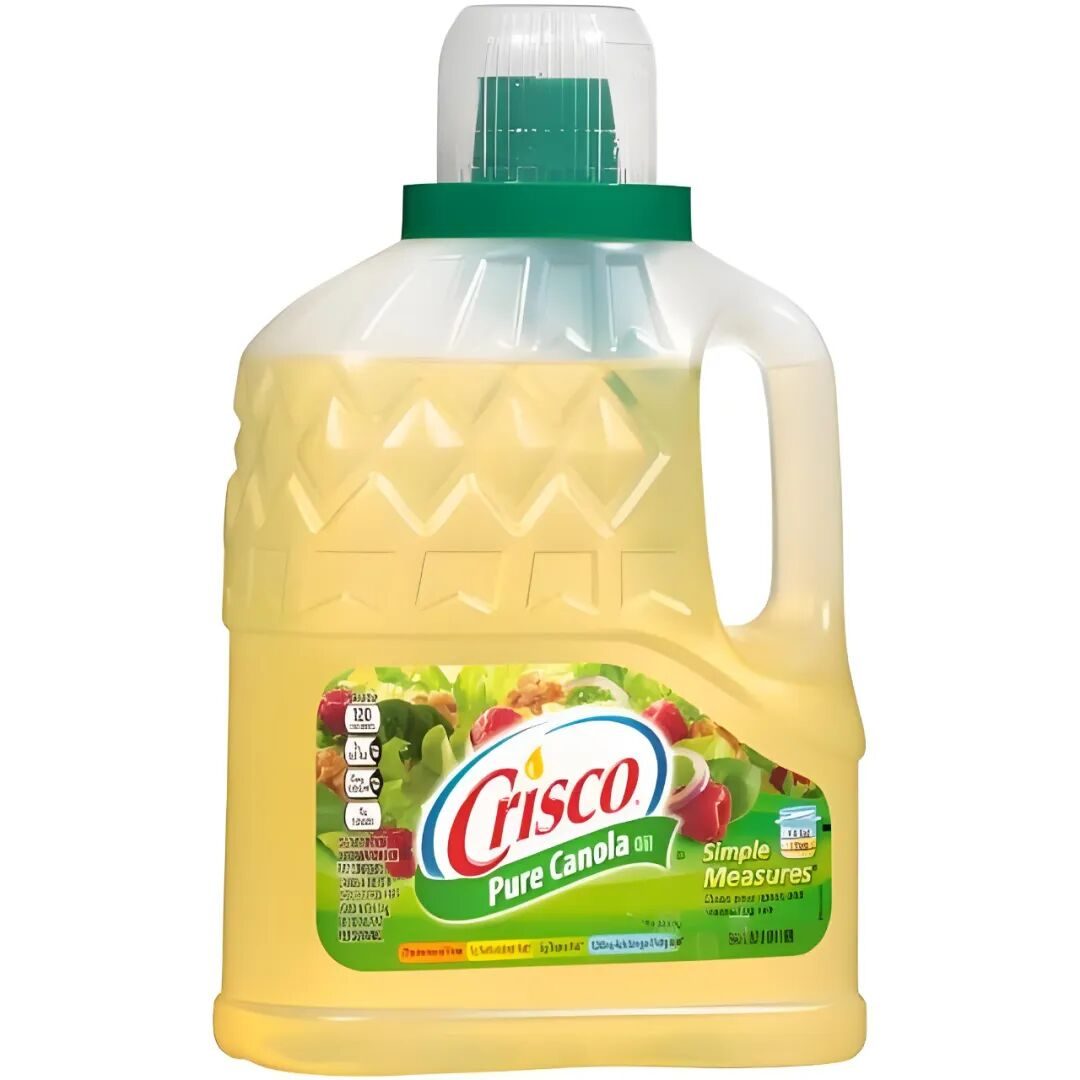
Crisco brand canola oil features an HDPE-based packaging design for cooking oil. The bottle features a diamond-patterned texture and an integrated handle: the diamond pattern enhances grip, while the handle is ergonomically designed to fit the palm; it also includes a measuring cap that allows for precise control of oil pouring, addressing the common challenge of difficult portion control found in traditional oil bottles. The label features a salad scene as its central visual element; the green color scheme conveys the product’s “healthy, light dining” attributes, while nutritional benefits and usage scenarios are arranged in a layered layout. This HDPE packaging design by the bottle design company successfully balances practical functionality with contextual positioning.
Saffola Series Cooking Oils
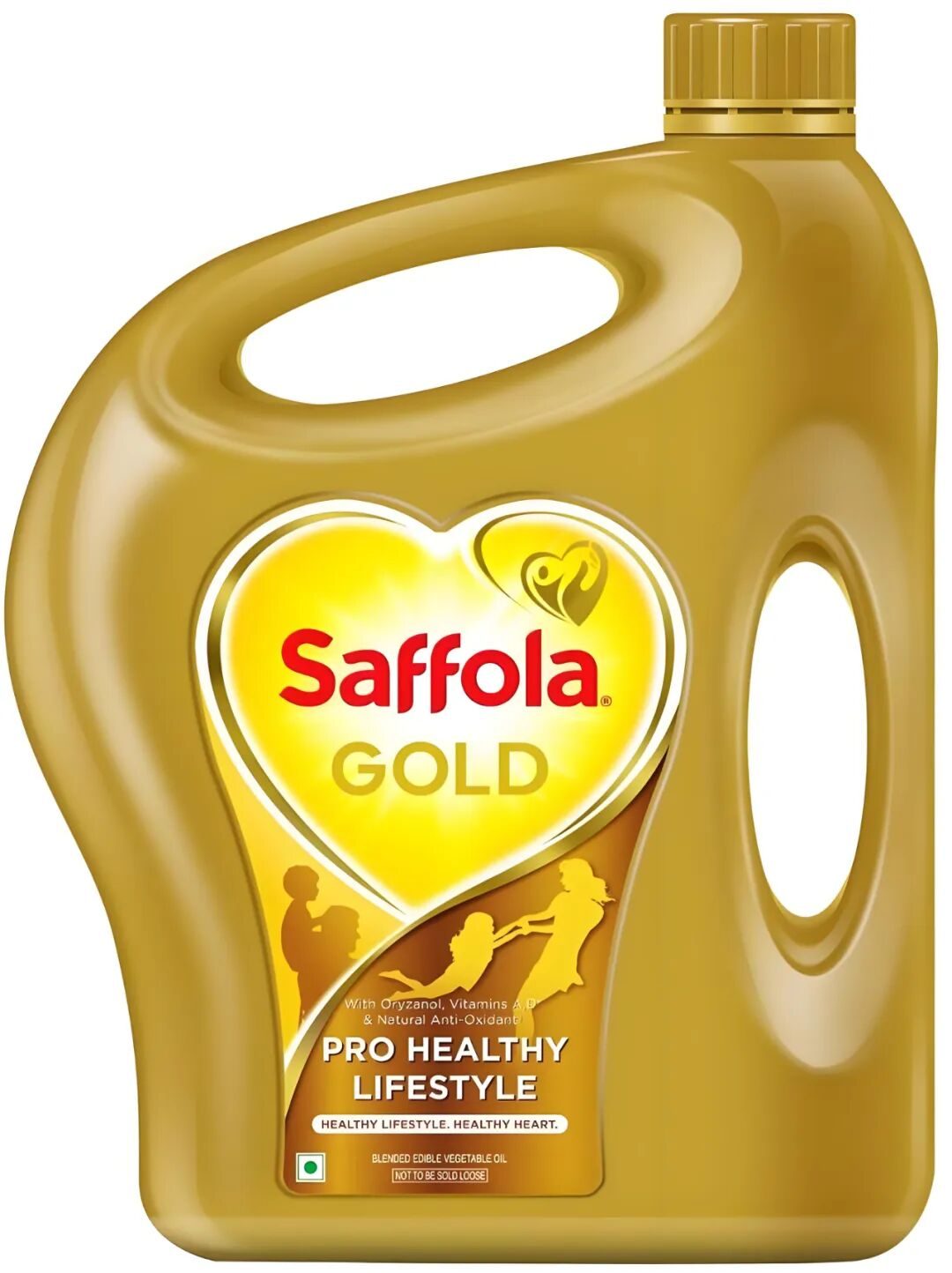
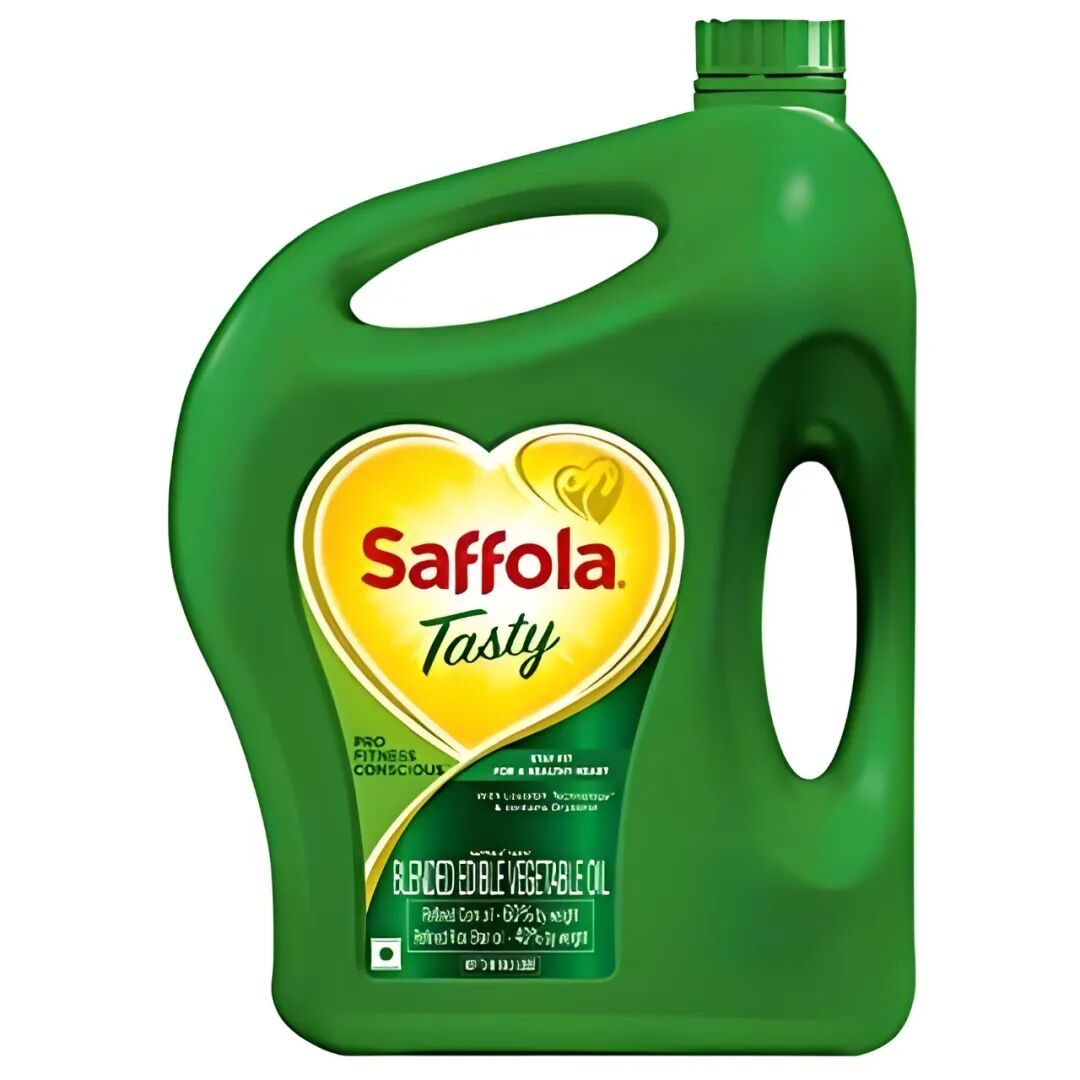
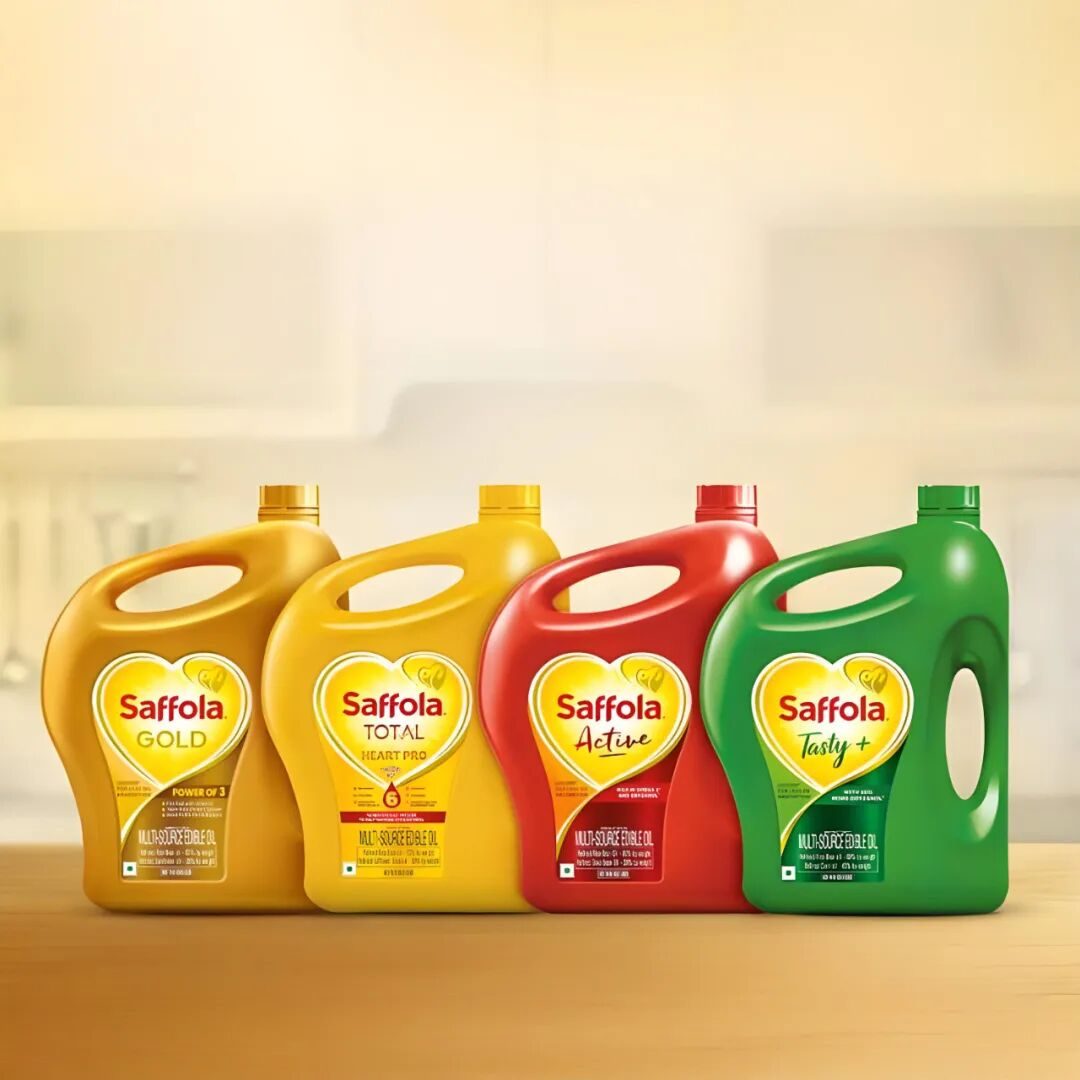
The Saffola brand’s line of cooking oils features HDPE packaging. The bottle design combines a curved heart-shaped body with a wide handle: the curved heart shape enhances grip comfort, while the wide handle accommodates handling needs for different capacities; the range of sizes caters to various consumer groups, including singles and families. The labels unify the visual identity with a heart-shaped logo, using colors such as gold, red, and green to distinguish product lines like GOLD and ACTIVE. The core selling points clearly align with the product positioning, creating strong series recognition on store shelves—a classic example of “series consistency combined with differentiation” in HDPE packaging design.
ASHOKA Soybean Oil
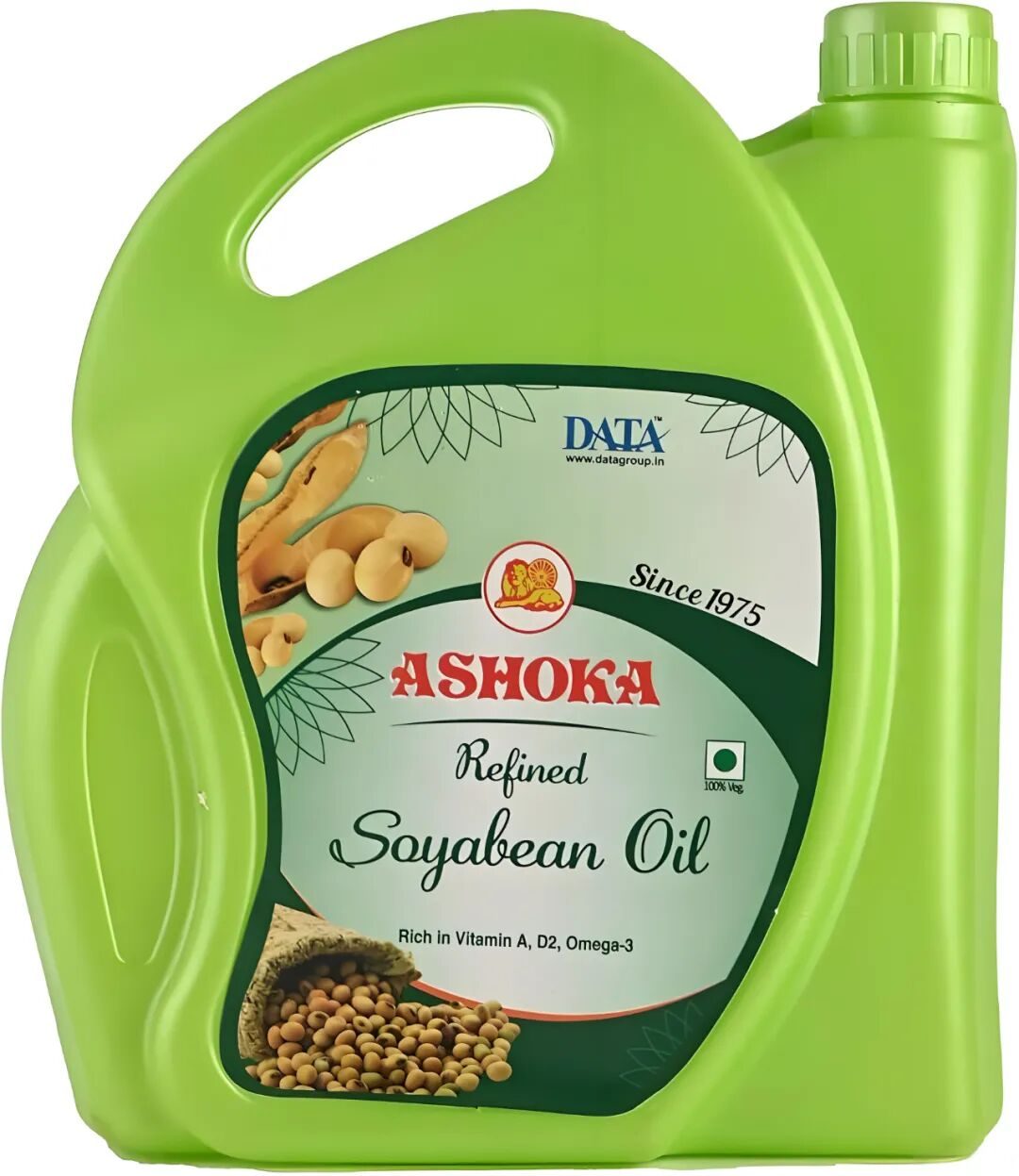
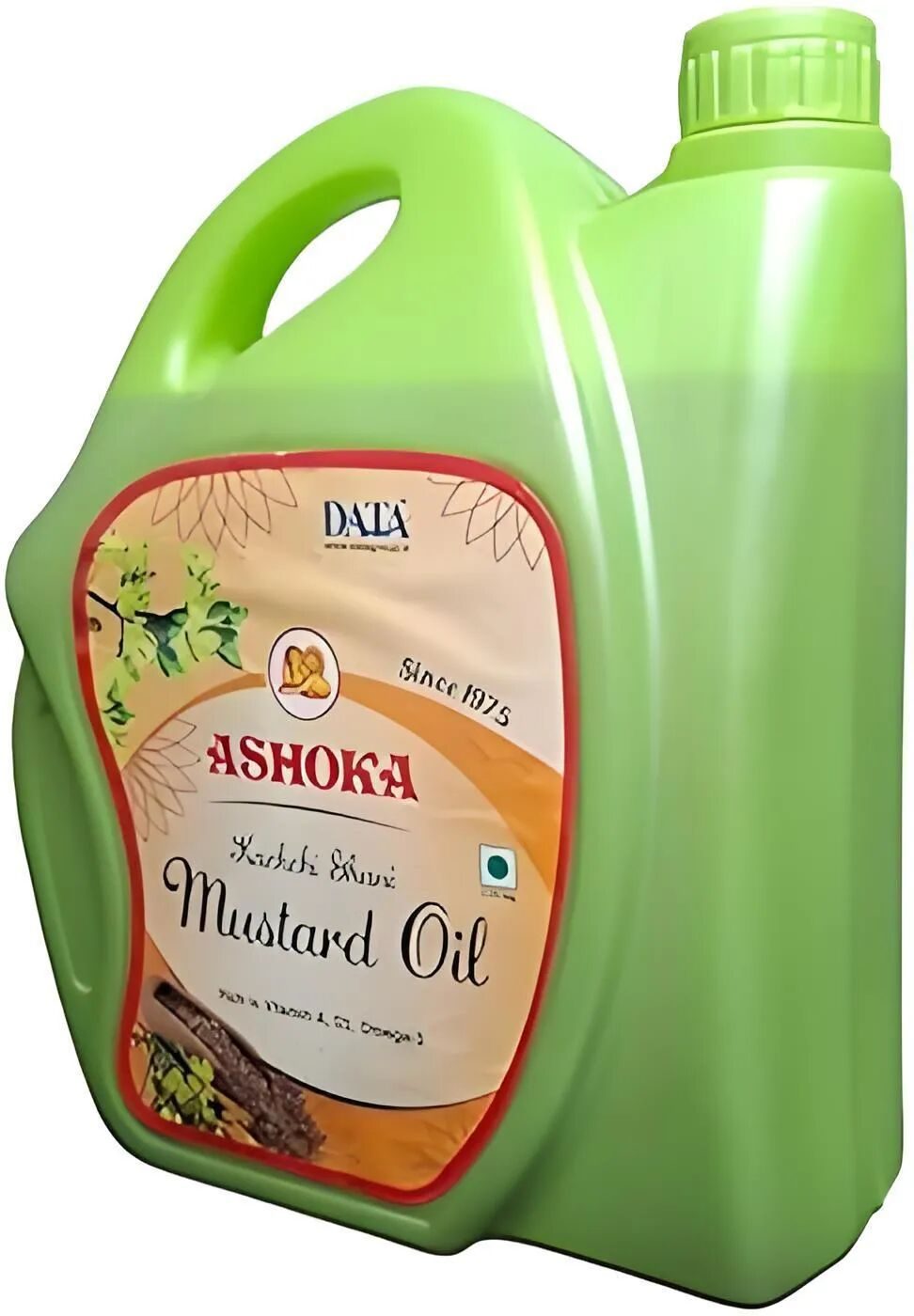
The ASHOKA brand’s refined soybean oil features an HDPE-based packaging design for cooking oil. The bottle features a wide-handle, high-capacity design: the handle’s load-bearing capacity has been optimized to meet the needs of transporting 5-liter containers in a household setting; the curved texture on the bottle body enhances slip resistance, preventing the bottle from slipping and spilling while pouring. The label features a real-life photograph of soybeans as its central element. The green, opaque bottle body complements the raw material’s natural tones, while the brand logo and the “Rich in Vitamin” selling point are arranged in a layered layout that is clear and easy to read—aligning with the FMCG design logic of “durability + high visibility” for HDPE packaging.
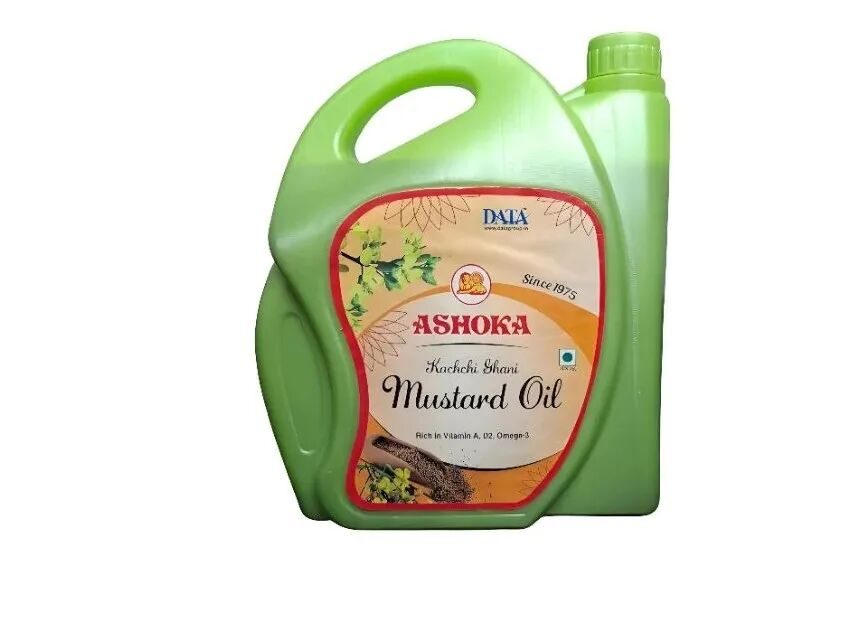
From large-capacity family-size packages to specialized oil varieties, with a focus on HDPE-based edible oil packaging design and leveraging the characteristics of the one-step extrusion-blow molding process, these solutions achieve a threefold optimization of bottle durability, adaptability to various usage scenarios, and label readability. These solutions not only meet the core requirements of FMCG packaging design—namely, “large-scale distribution and high practicality”—but also leverage the material’s properties to meet the storage requirements of different types of oil. As a professional bottle design firm, the company’s strategy precisely addresses the pain points in the mass-market cooking oil sector.