
In the field of fast-moving consumer goods (FMCG) packaging design for engine lubricants, bottle designs must simultaneously meet three key requirements: “storage protection, ease of use, and functional communication.” As a professional bottle design firm, the Meilin Design Team has deeply anchored its approach in the synergistic logic between materials, manufacturing processes, and usage scenarios: By utilizing the one-step HDPE extrusion-blow molding process to achieve a durable structure and the two-step PET injection-stretch-blow molding process to create a refined visual appearance, they precisely meet the packaging requirements of engine oils with different market positioning—a classic example of striking a “balance between practicality and aesthetics” in lubricant bottle packaging design.
Mobil 1 Motor Oil
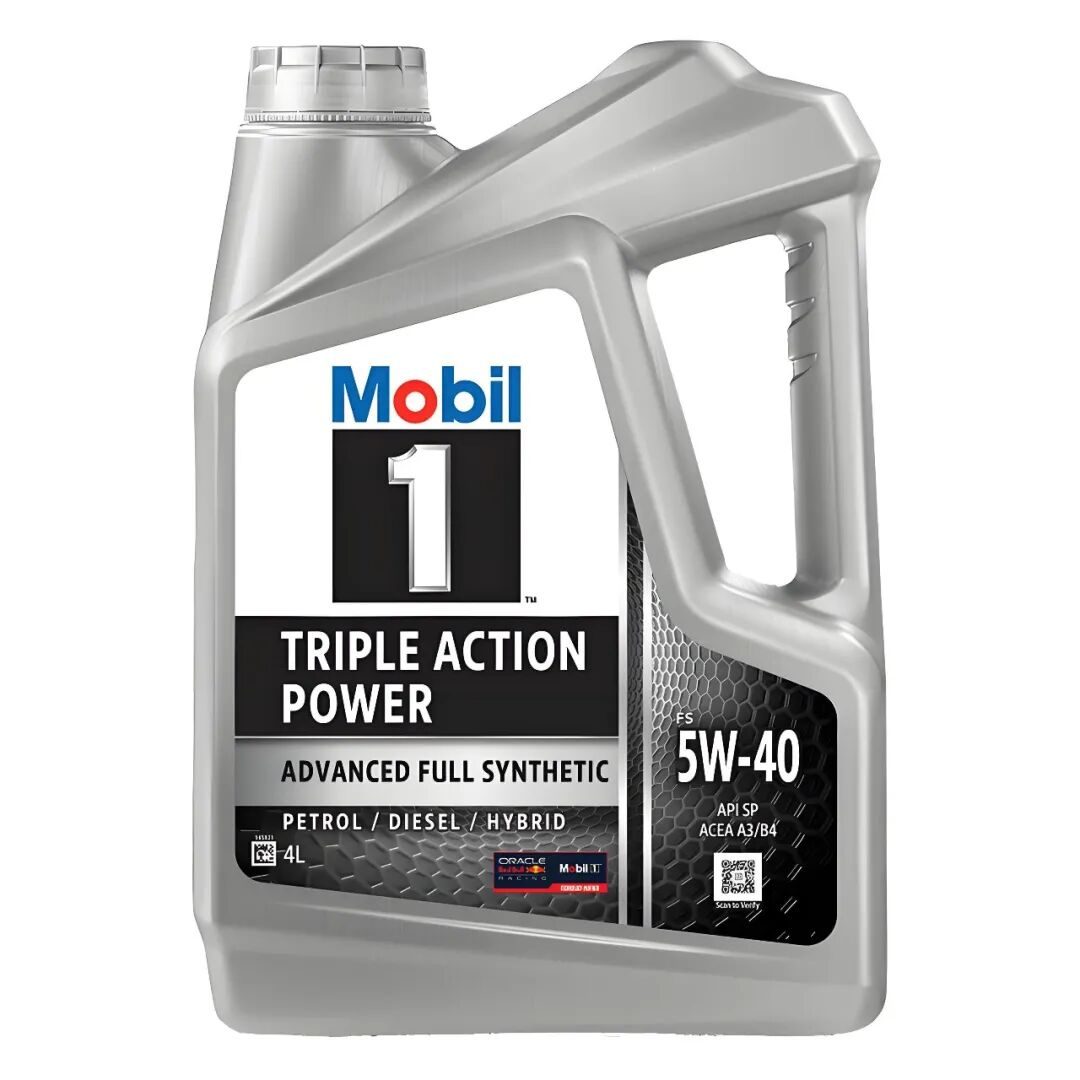
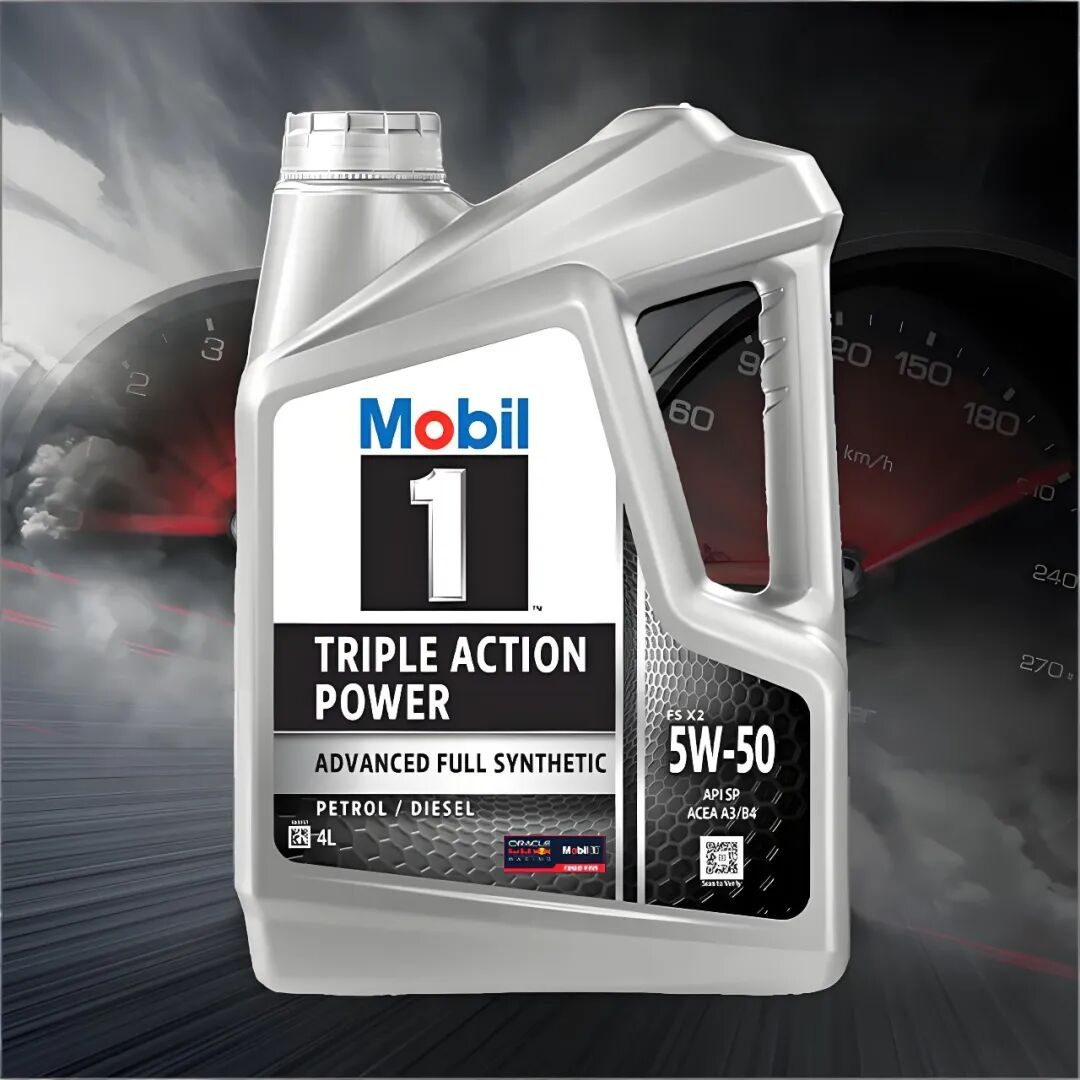
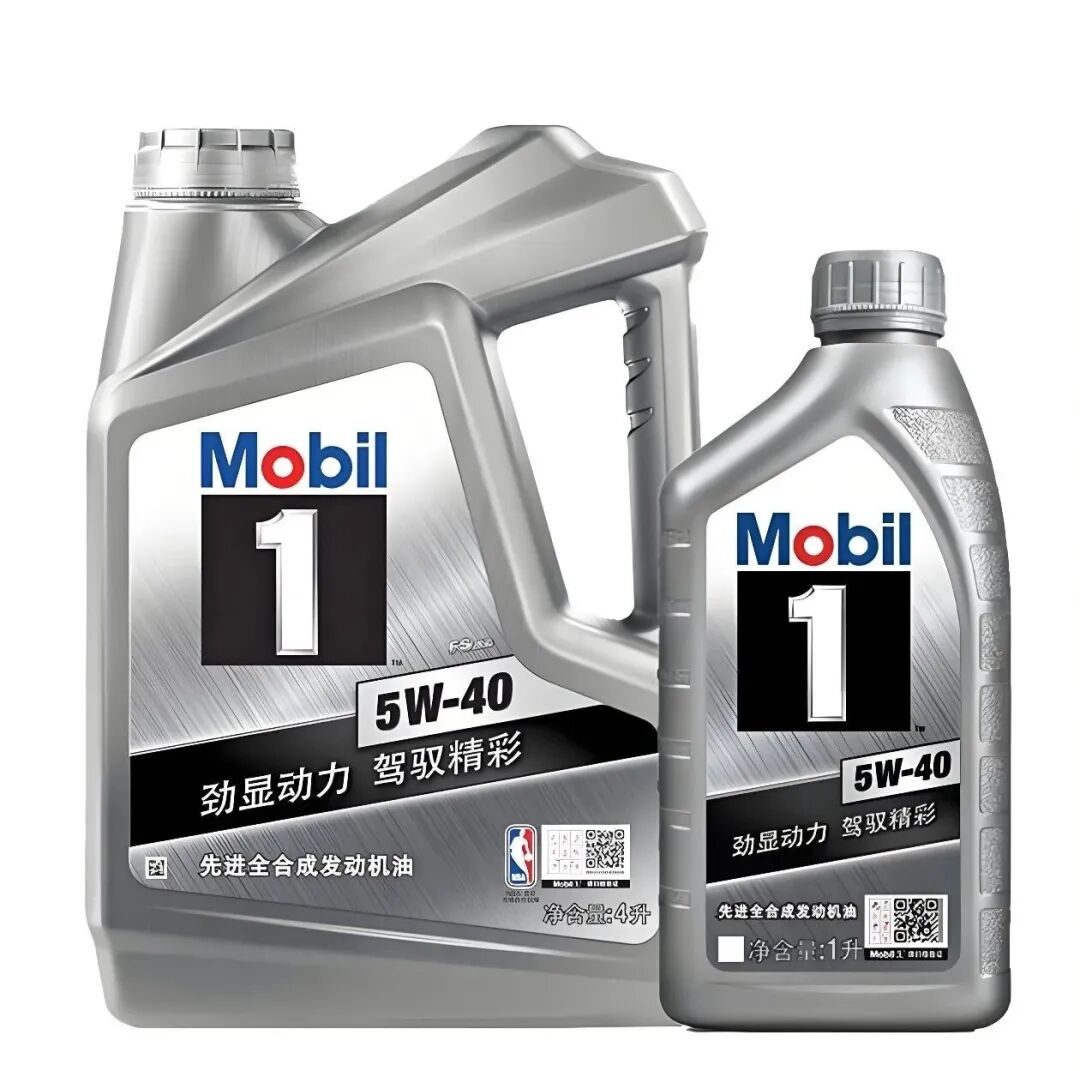
Mobil’s No. 1 TRIPLE ACTION POWER motor oil features an HDPE lubricant bottle design. The bottle is a one-step extrusion-blow-molded angular grip bottle: the grip fits comfortably in the palm, and the non-slip texture enhances grip stability; The silver-gray metallic bottle combined with a black-and-white label conveys a “high-end performance” visual aesthetic, while the label highlights the “fully synthetic formula.” Formulated with advanced fully synthetic base oils and triple-action performance agents, it is suitable for gasoline, diesel, and hybrid vehicle engines, enhancing component lubrication and improving fuel economy. This packaging offers excellent corrosion resistance and long-lasting protection for the fully synthetic oil’s properties, making it a practical solution for high-end automotive applications.
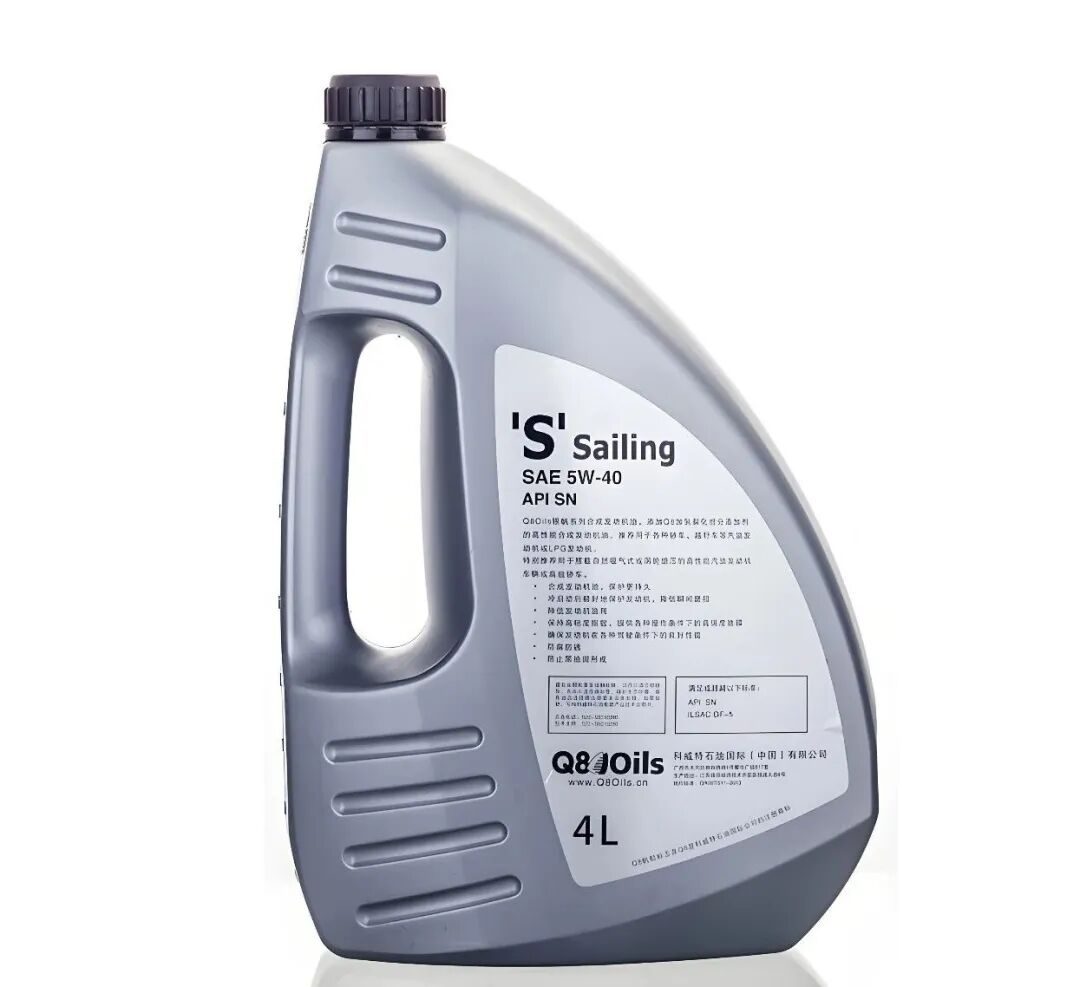
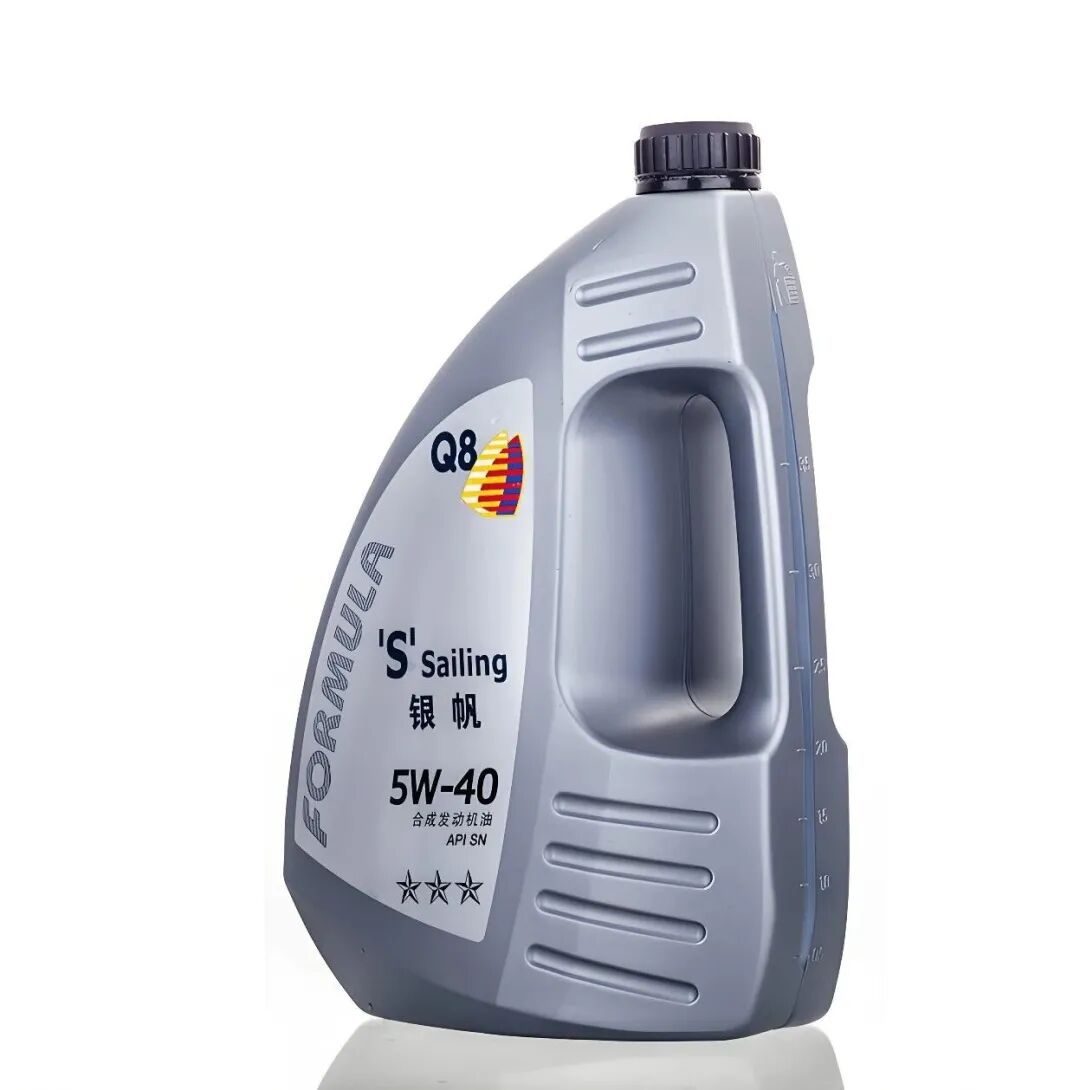
Q8 Silver Sail Motor Oil
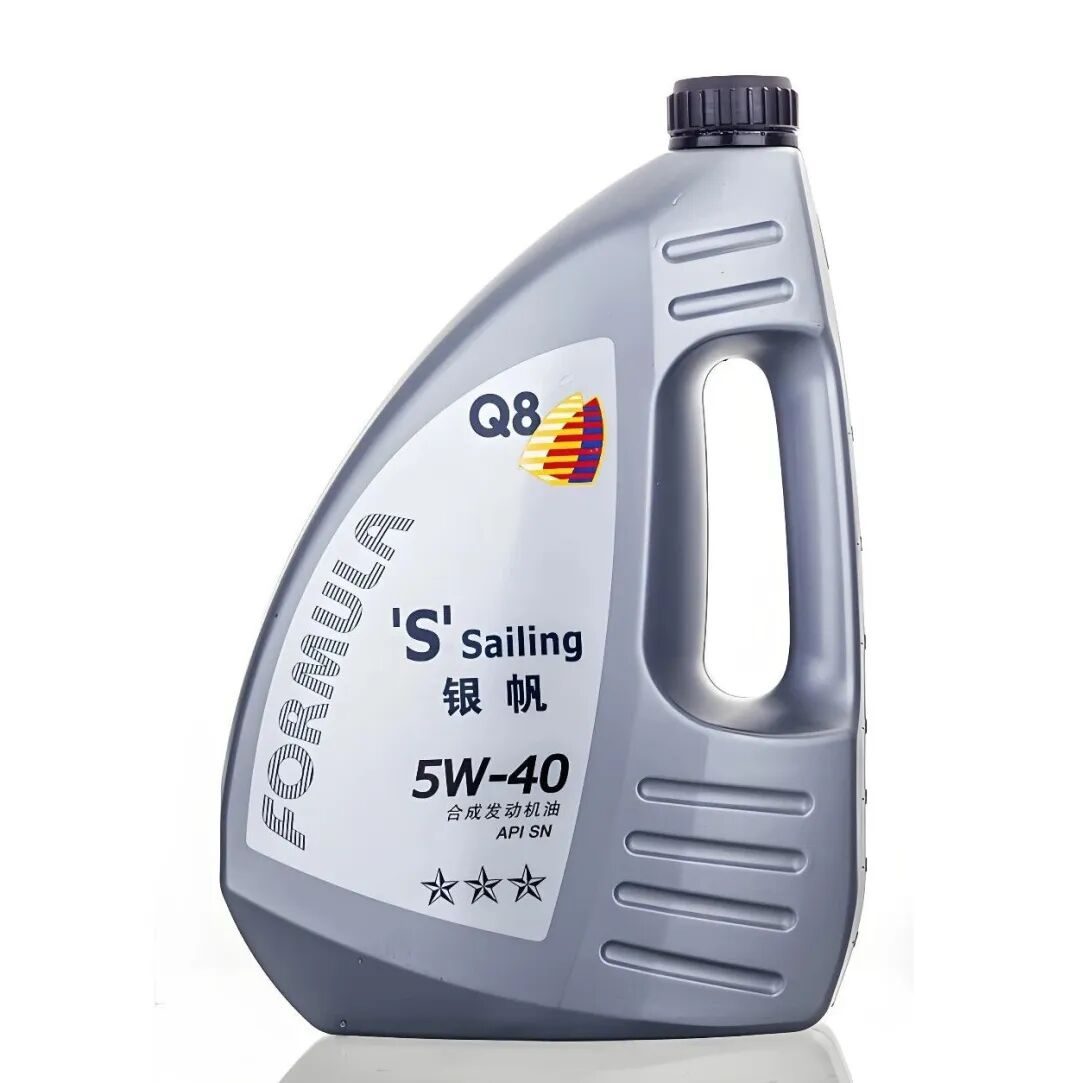
The Q8 brand’s Silver Sail Formula ‘S’ Sailing motor oil features an HDPE lubricant bottle design. The bottle is a one-step extrusion-blow-molded bottle with a beveled grip: the grip features multiple anti-slip grooves for a more secure hold; The gray-and-white bottle body, paired with the “Silver Sail” logo label, conveys a visual aesthetic of “reliable protection.” Formulated with a 5W-40 synthetic blend containing anti-wear additives, this oil is suitable for standard passenger cars, helping to reduce component wear and extend oil change intervals. The packaging offers excellent impact resistance, making it suitable for everyday storage and handling, and represents a cost-effective packaging design for the mass market.
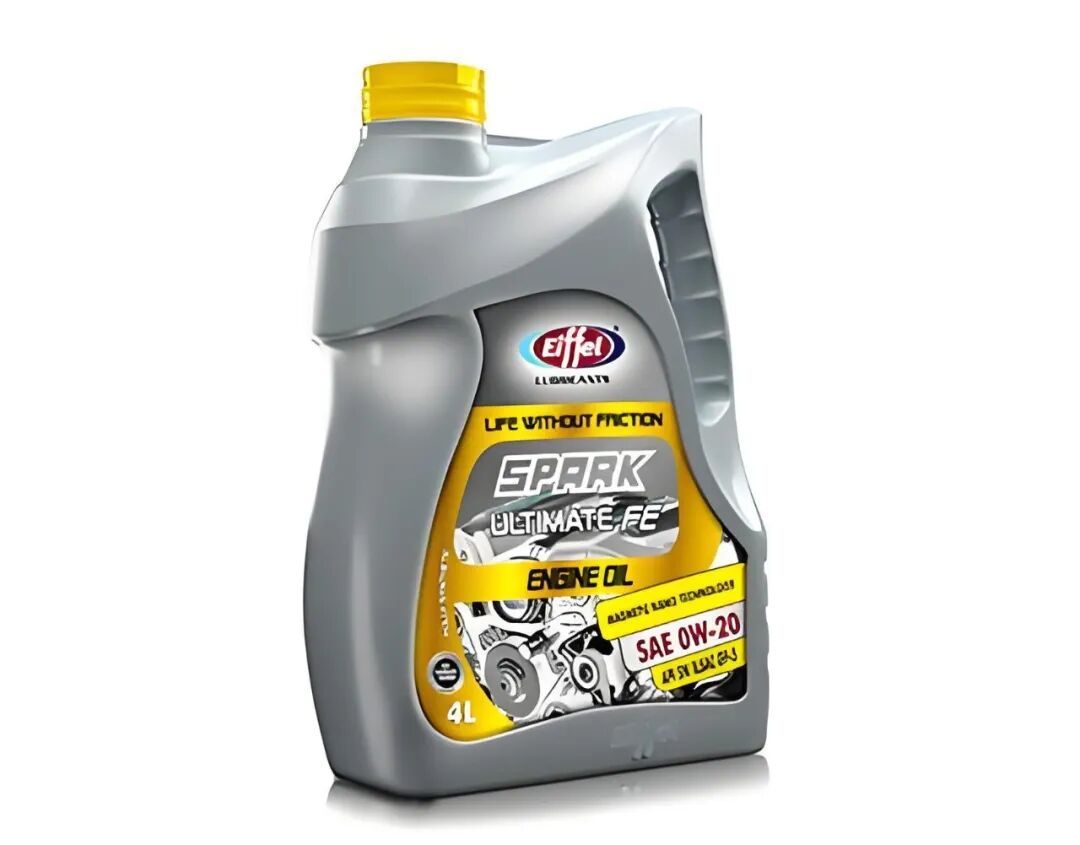
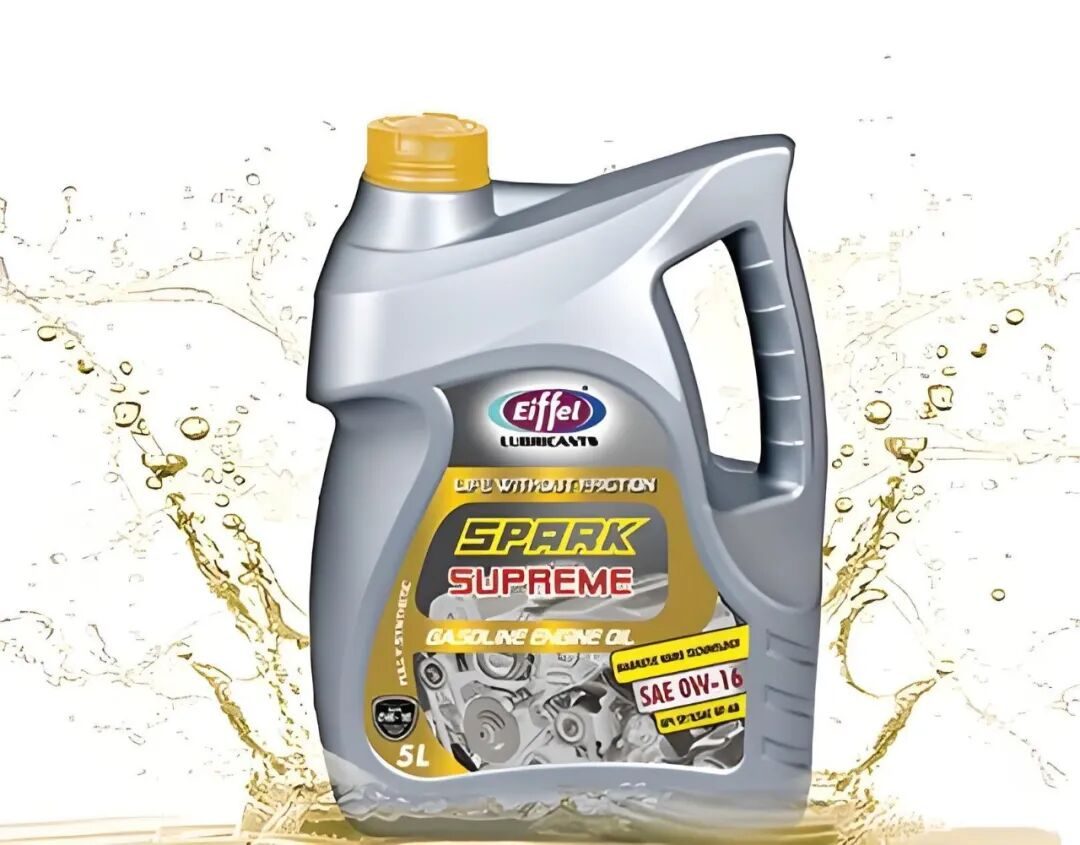
Eiffel SPARK Motor Oil
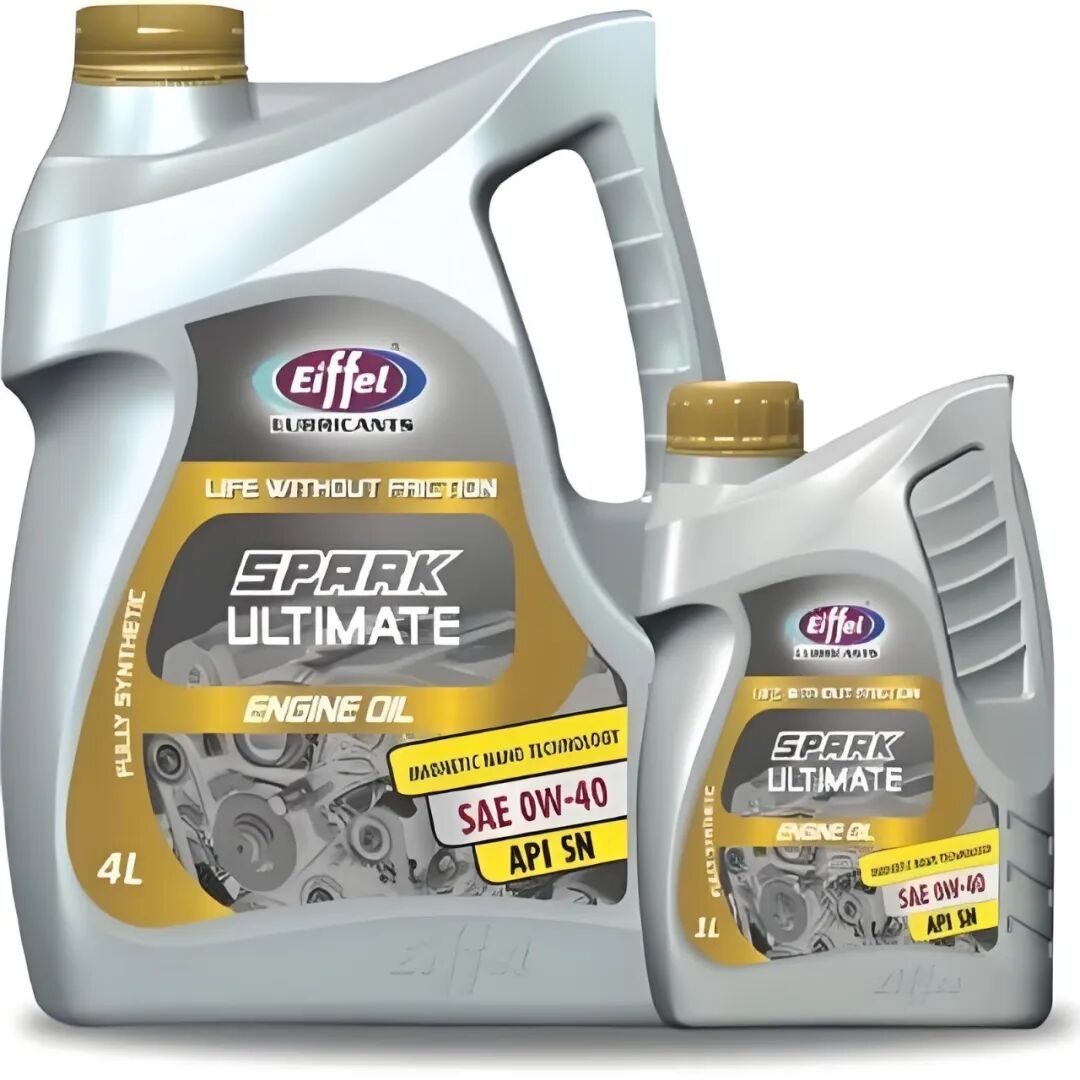
Eiffel’s SPARK ULTIMATE FE motor oil features a PET-based bottle design. The bottle is a streamlined, easy-grip container formed using a two-step injection-stretch-blow molding process: the non-slip textured grip and integrated flow channel ensure precise dosage control; The silver-gray bottle body paired with a yellow “tech-inspired” label conveys a visual aesthetic of “energy efficiency and high performance.” Formulated as a 0W-20 fully synthetic low-ash blend containing fuel economy additives, it is suitable for hybrid and turbocharged vehicles, reducing engine drag and improving fuel economy. The high transparency of this packaging complements the tech-inspired label design, making it an elegant packaging solution for energy-efficient vehicles.
FUCHS TITAN Motor Oil
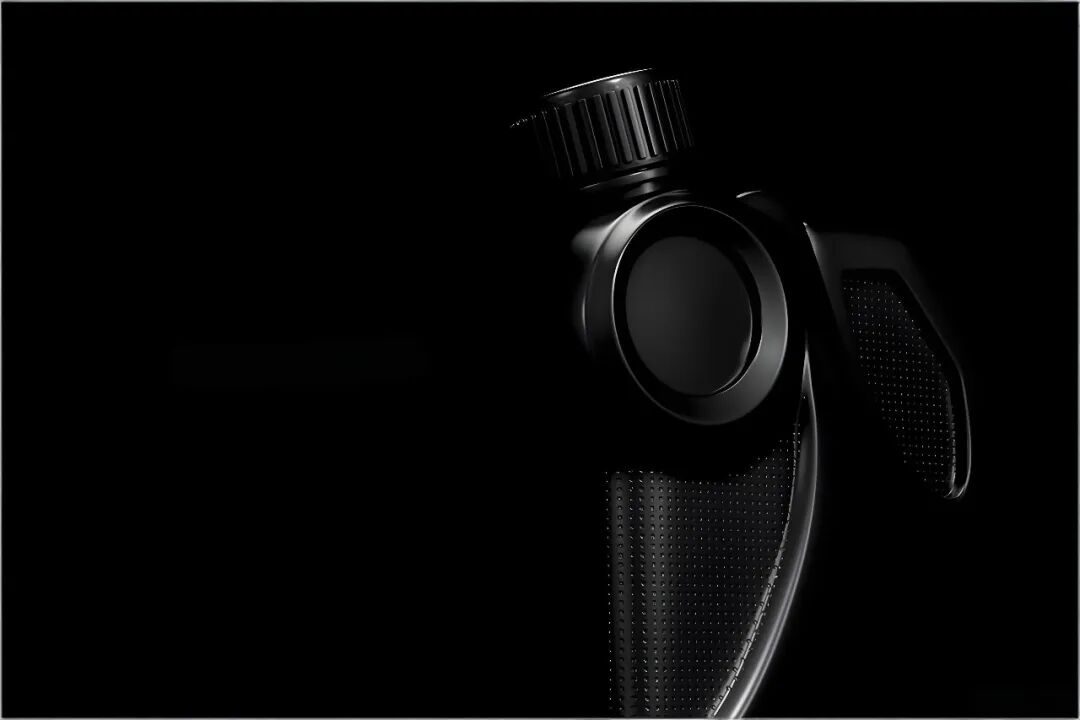
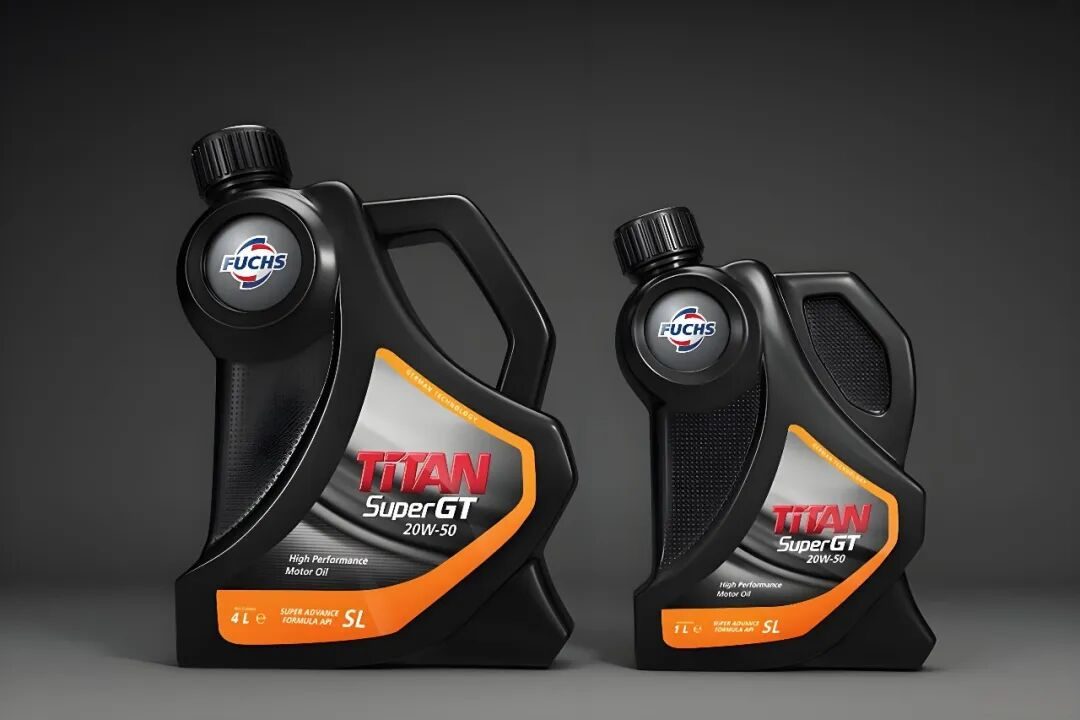
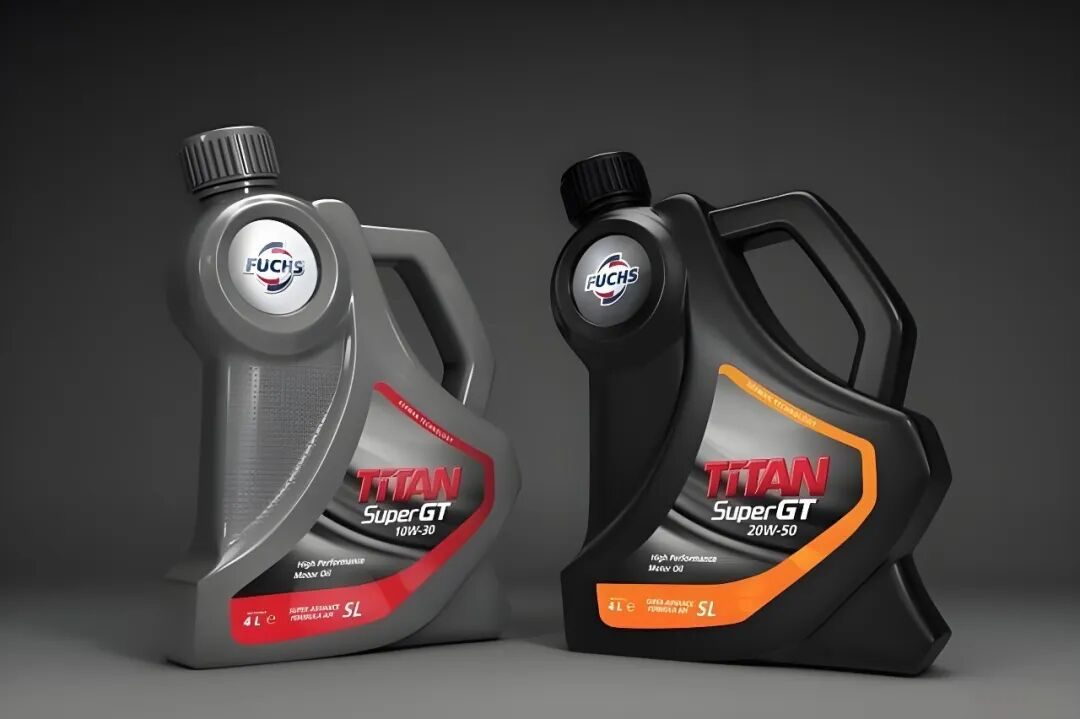
FUCHS’s TITAN Super GT motor oil features a PET-based bottle design, specifically a curved-handle bottle produced using a two-step injection-stretch-blow molding process: the curve of the handle is designed for comfortable one-handed grip, The two-tone gray/black bottle paired with red/orange labels clearly distinguishes between the 10W-30 (red label) and 20W-50 (orange label) fully synthetic variants, ensuring clear visual identification. The formula contains detergent-dispersant additives; the red label is suitable for passenger cars (cold-start protection), while the orange label is suitable for commercial vehicles (high-temperature resistance), optimizing component protection under different operating conditions. This manufacturing process ensures high precision, and the bottle’s refined finish aligns with its mid-to-high-end positioning, serving as a prime example of the bottle design company’s “specification differentiation + scenario adaptation” approach.
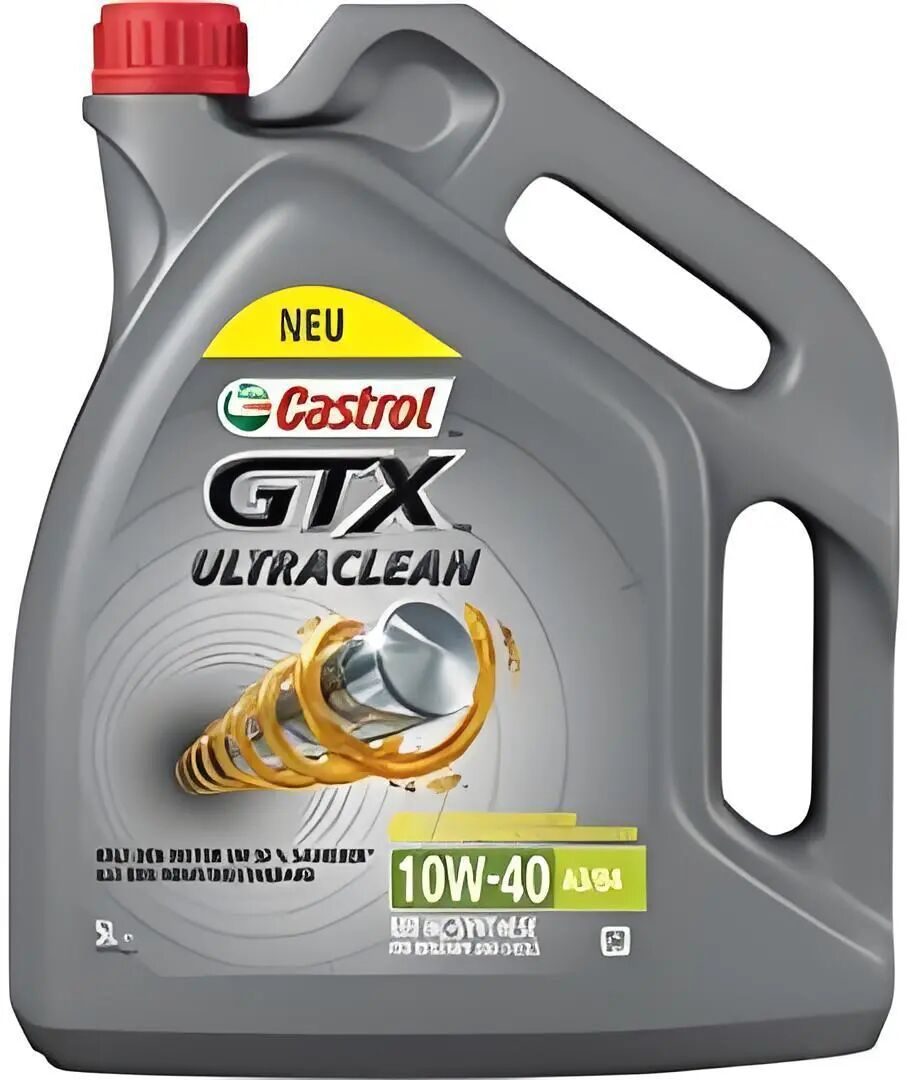
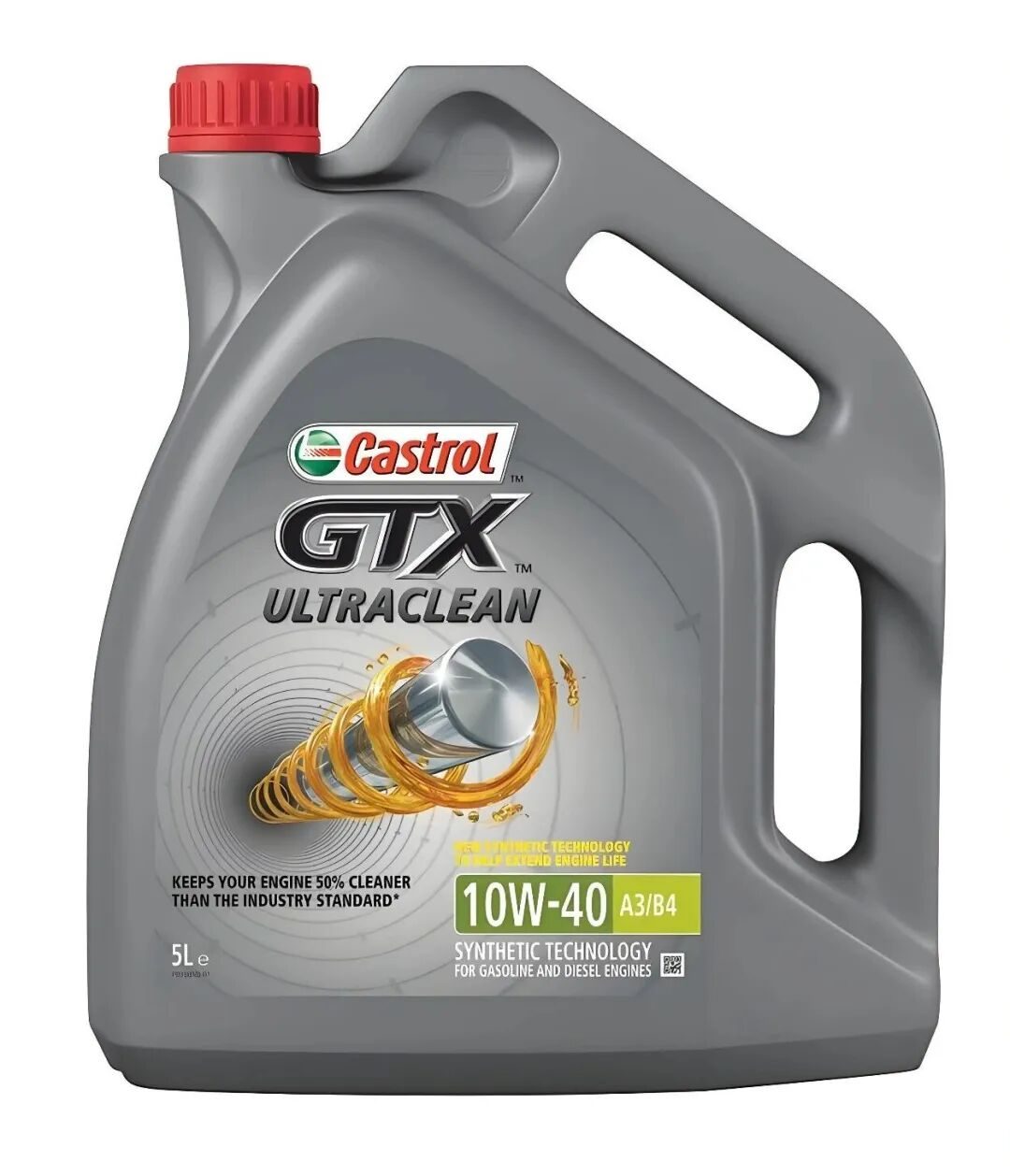
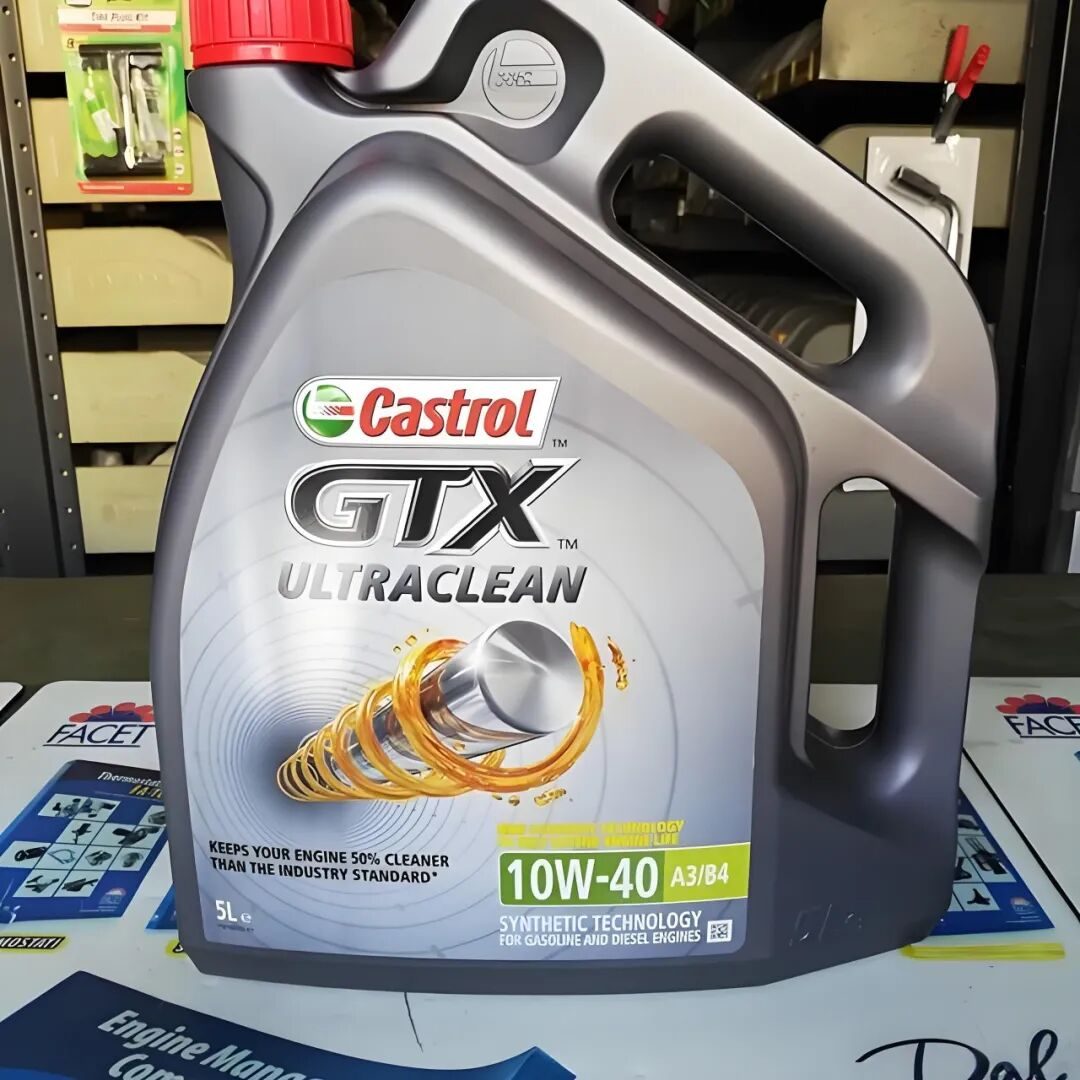
Castrol GTX Motor Oil
Castrol’s GTX ULYRACLEAN motor oil features an HDPE bottle design, molded using a one-step extrusion-blow process to create a large-capacity bottle with dual handles: the dual handles are designed for handling the 4L capacity, ensuring more stable pouring; The gray bottle body paired with an “Engine Clean” label conveys a visual theme centered on “carbon deposit control.” The product features a 10W-40 semi-synthetic formula containing high-efficiency detergents, making it suitable for older gasoline-powered vehicles and short-distance city driving; it dissolves carbon deposits in the oil system and keeps the engine clean. This flexible manufacturing process addresses operational challenges associated with large-capacity packaging and embodies a “practical approach” in FMCG packaging design.
From the practical durability of HDPE to the refined fit of PET, the core of engine oil bottle packaging design has always revolved around “scenario-based needs, functional delivery, and user experience.” These solutions not only optimize the engine oil usage process through bottle design but also convey product value through label styling, serving as a prime example of the synergy between FMCG packaging design and the functionality of engine oil.